
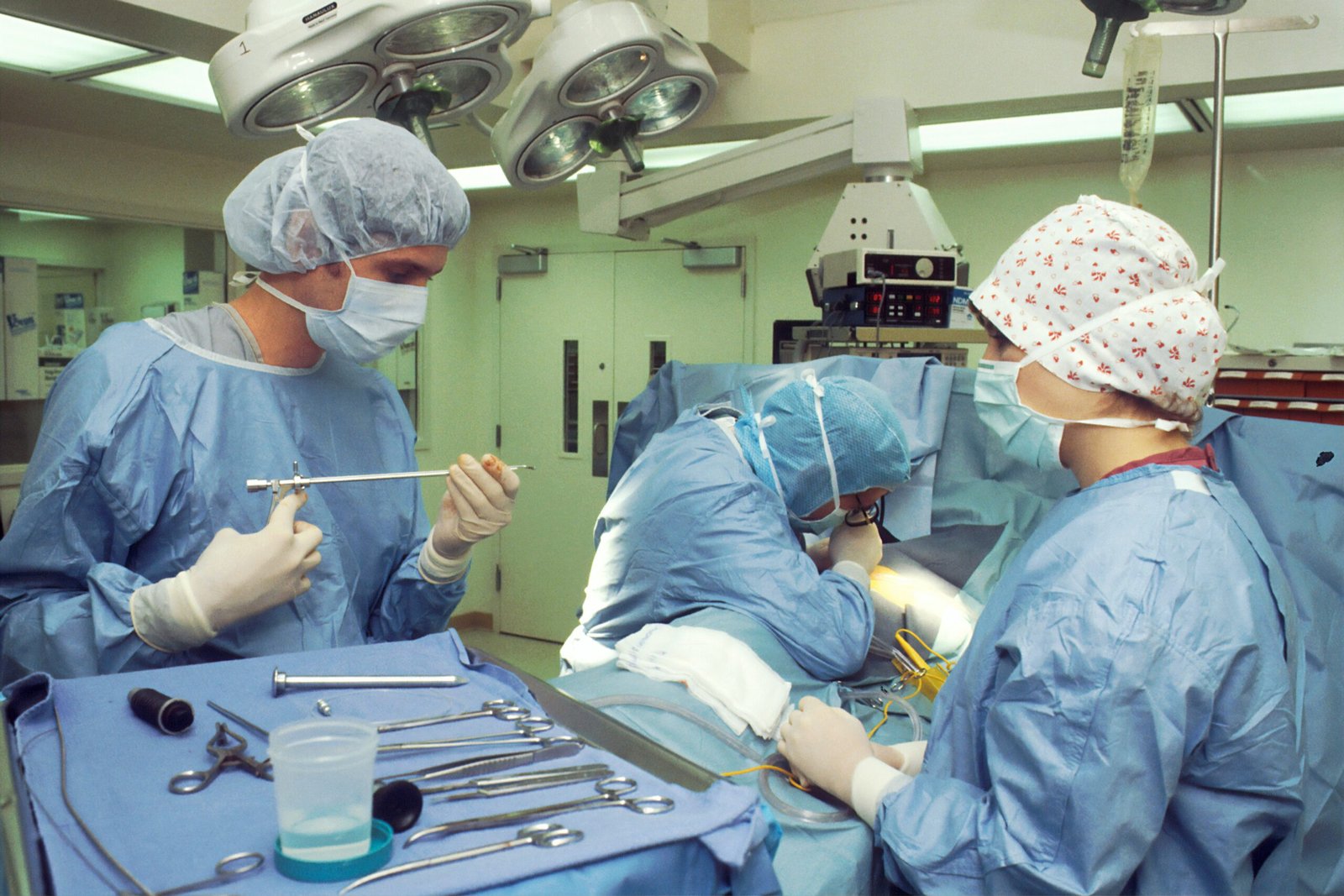
Knee arthroscopy is a common surgical procedure used to diagnose and treat a variety of knee conditions. It involves inserting a small camera, called an arthroscope, into the knee joint to visualize and address internal issues. This article provides information for individuals preparing for knee arthroscopy, outlining necessary steps and considerations to facilitate a smooth procedure and recovery.
The preparatory phase for knee arthroscopy typically begins several weeks before the scheduled surgery date. This period is crucial for assessing your overall health and identifying any potential risks that could complicate the procedure or recovery.
Medical Clearances
Approximately 4 to 6 weeks before your surgery, you will undergo a series of medical evaluations. These assessments are designed to ensure you are healthy enough for surgery and to minimize any intraoperative or postoperative complications. Your primary care physician will play a central role in this clearance process.
Blood Work
Standard blood tests are routinely performed. These include a Complete Blood Count (CBC), which provides information about your red blood cells, white blood cells, and platelets. A metabolic panel will assess your kidney and liver function, as well as electrolyte levels. Coagulation studies are also essential to evaluate your blood’s clotting ability; this is particularly important for surgical procedures to mitigate the risk of excessive bleeding.
Cardiac and Pulmonary Assessments
For individuals over 50 years of age or those with a history of heart conditions, an Electrocardiogram (EKG) is often required. This test records the electrical activity of your heart to detect any abnormalities that could pose a risk during surgery. A chest X-ray may also be performed, particularly if you have a history of lung issues or are a smoker. These assessments help ensure your cardiovascular and respiratory systems can withstand the stress of surgery and anesthesia.
Comprehensive Physical Examination
Your primary care physician will conduct a thorough physical examination. This examination serves to identify any underlying health conditions, such as heart or lung disease, obesity, or diabetes, that could impact the surgical outcome. It is an opportunity to discuss your medical history comprehensively and to address any concerns you may have. Your doctor will provide medical clearance, a formal statement confirming that you are fit for surgery. This clearance acts as a gatekeeper, ensuring all necessary health prerequisites are met before proceeding with the arthroscopy.
Preparation for knee arthroscopy surgery is crucial for ensuring a smooth procedure and optimal recovery. For those interested in learning more about treatment options for various knee conditions, including insights on how to prepare for such surgeries, you can refer to a related article on pediatric knee treatment. This resource provides valuable information that can be beneficial for both patients and caregivers. To explore this further, visit this link.
Medication Adjustments
Managing your medications appropriately in the weeks leading up to surgery is a critical aspect of preparation. Certain medications can increase the risk of complications, such as bleeding, and must be adjusted or temporarily discontinued under medical guidance.
Discontinuation of Blood Thinners
Approximately 1 to 2 weeks before your surgery, you will need to cease taking certain medications. This category primarily includes blood thinners, which elevate the risk of intraoperative and postoperative bleeding. Common blood thinners include warfarin, aspirin, ibuprofen, and naproxen. Other anti-inflammatory drugs and certain herbal supplements can also have blood-thinning properties and should be disclosed to your surgeon.
Over-the-Counter Medications
Many over-the-counter pain relievers, such as Advil, Motrin, and Aleve, contain aspirin-like compounds that affect blood clotting. These should also be stopped as per your surgeon’s instructions. It is crucial to read labels carefully and to consult your surgeon or pharmacist about any non-prescription medications or supplements you are taking.
Specific Medical Conditions
Patients with rheumatoid arthritis who are taking methotrexate will also need to discuss its discontinuation with their surgeon. The precise timing for stopping these medications can vary depending on the specific drug, your individual health, and the surgeon’s preferences. It is imperative to follow your surgeon’s personalized instructions for medication adjustments. Deviations from these guidelines can increase surgical risks.
Lifestyle Modifications

Beyond medical evaluations and medication management, certain lifestyle changes can significantly contribute to better surgical outcomes and a smoother recovery. These modifications focus on optimizing your physical condition before surgery.
Smoking Cessation
Smoking is a known risk factor for surgical complications. It can impair wound healing, increase the risk of infection, and compromise cardiovascular and respiratory function. Quitting smoking several weeks before surgery can reduce these risks. Think of it as clearing the air for your body to heal more efficiently.
Weight Management
If you are overweight, your surgeon may recommend losing some weight before the procedure. Excess weight places additional stress on your joints, including the knee, and can complicate both the surgery itself and the recovery process. Even a modest weight reduction can contribute to improved outcomes.
Dental Health Considerations
It is advisable to complete any necessary dental work, such as fillings or extractions, before your knee arthroscopy. Oral infections can, in rare cases, contribute to systemic infections, including those affecting surgical sites. Addressing dental issues beforehand minimizes this potential pathway for complications.
Pre-Surgical Exercise Regimen
Engaging in specific exercises before surgery can strengthen the muscles around your knee, which can facilitate a faster and more effective recovery. These prehabilitation exercises typically include quad sets (tightening the thigh muscles), straight leg raises (lifting the leg while keeping it straight), and heel slides (sliding your heel towards your buttocks while keeping your foot on the floor). Performing these exercises 2 to 3 times daily, as instructed by a physical therapist or your surgeon, can build a foundation of strength, like laying strong tracks for a train journey.
Home Preparation

Preparing your home environment is a practical step that can significantly enhance your comfort and safety during the initial recovery period. Your home should transform into a haven of rest, free from obstacles.
Hazard Mitigation
Before surgery, identify and remove potential tripping hazards within your living space. This includes securing loose rugs, coiling electrical cords, and clearing clutter from walkways. The goal is to create unobstructed paths, especially in areas you will frequently use during recovery.
Setting Up a Recovery Zone
Designate a specific area in your home, ideally on the main floor, as your primary recovery zone. This area should be easily accessible and minimize the need to navigate stairs. Ensure you have essential supplies readily available, such as ice packs for swelling, pillows for elevating your leg, and comfortable, easy-to-put-on footwear like slip-ons. Consider setting up a temporary bed or sleeping on the main floor if your bedroom is upstairs.
Accessibility Needs
If your mobility is expected to be significantly limited post-surgery, you may need to obtain a disabled parking permit. This can be arranged through your local Department of Motor Vehicles or equivalent agency. Having this permit can ease the burden of transportation for follow-up appointments and other excursions during your recovery.
Preventing Pre-Surgery Knee Issues
In the days and weeks leading up to your surgery, it is important to protect your knee from any further injury or irritation. Avoid activities that could lead to bruising, sunburn, cuts, or infections around the surgical site. Trauma to the knee immediately before surgery could necessitate a postponement of the procedure. Treat your knee with care, as if it were a delicate instrument awaiting fine-tuning.
Preparing for knee arthroscopy surgery involves understanding the procedure, recovery expectations, and potential costs associated with the treatment. For those considering this type of surgery, it can be helpful to read about the financial aspects involved. A related article discusses the costs associated with knee replacement surgery, which can provide valuable insights for patients planning their treatment journey. You can find more information in this article.
The Day Before and Day of Surgery
| Preparation for Knee Arthoscopy Surgery |
|---|
| 1. Consultation with orthopedic surgeon |
| 2. Pre-operative physical examination |
| 3. Blood tests and imaging studies |
| 4. Medication review and adjustment |
| 5. Pre-surgery instructions and restrictions |
| 6. Arrangement for post-operative care |
The final 24-hour period leading up to your surgery and the morning of the procedure involve specific instructions designed to ensure your safety and readiness for anesthesia and the operation.
Fasting Guidelines
A critical instruction for the day before surgery is to fast after midnight. This means no food or drink, including water, chewing gum, or mints. Fasting prevents aspiration (inhaling stomach contents into the lungs) during anesthesia, which can be a serious complication. Adhere strictly to these guidelines, as failure to do so can result in the postponement or cancellation of your surgery.
Personal Hygiene and Attire
On the morning of your surgery, take a shower or bath. Use the special antibacterial soap provided by your surgeon’s office, if applicable. Avoid applying lotions, deodorants, perfumes, or makeup. Do not shave the surgical site, as this can increase the risk of infection. Wear loose-fitting, comfortable clothing, such as gym shorts or sweatpants, to the hospital. This will allow for easy dressing and accommodate any post-surgical bandages or swelling. Remove any nail polish or toenail polish, as these can interfere with the pulse oximeter, a device used to monitor your oxygen levels during surgery.
Essential Items for the Hospital
Remember to bring a few key items with you to the hospital. Your identification (ID) and insurance information are necessary for admission. A list of all your current medications, including dosages, is crucial for your medical team. Bringing your phone and charger ensures you can communicate with family and friends and keep yourself occupied while you wait. These items, though seemingly minor, are vital components of a well-prepared patient. Remember, the journey towards recovery begins long before the first incision. Each step outlined here is a building block, contributing to a stable and effective path forward.
FAQs
What is knee arthroscopy surgery?
Knee arthroscopy is a minimally invasive surgical procedure used to diagnose and treat problems in the knee joint. It involves inserting a small camera, called an arthroscope, into the knee joint to view the inside of the joint on a screen.
How should I prepare for knee arthroscopy surgery?
Preparation for knee arthroscopy surgery may include stopping certain medications, arranging for transportation to and from the hospital or surgical center, and following specific pre-operative instructions provided by the surgeon.
What can I expect during the recovery period after knee arthroscopy surgery?
Recovery from knee arthroscopy surgery typically involves a period of rest, physical therapy, and gradually increasing activity levels. The specific recovery timeline and instructions will vary depending on the individual and the extent of the procedure.
What are the potential risks and complications associated with knee arthroscopy surgery?
While knee arthroscopy is generally considered safe, potential risks and complications may include infection, blood clots, nerve or blood vessel damage, and ongoing knee pain or stiffness.
What are the expected outcomes of knee arthroscopy surgery?
The expected outcomes of knee arthroscopy surgery may include reduced pain, improved knee function, and the ability to return to normal activities and sports. However, individual results may vary based on the specific condition being treated and other factors.
