
Knee arthroscopy is a minimally invasive surgical procedure used to diagnose and treat problems within the knee joint. It involves inserting a small camera (arthroscope) and surgical instruments through small incisions. While less invasive than open surgery, it still constitutes a significant physical event for the body. The objective of this procedure is to address issues such as meniscus tears, ligament damage, or cartilage defects. Following such an intervention, the knee joint, though repaired, requires a structured rehabilitation process to regain its full function. This process is spearheaded by physical therapy, a critical component in ensuring a successful recovery.
The Immediate Post-Operative Period: Laying the Foundation
The initial phase of recovery begins almost immediately after knee arthroscopy. This period is characterized by acute management of symptoms and gentle reintroduction of movement.
Pain Management and Swelling Reduction
Upon discharge, managing pain and swelling is paramount. The RICE protocol (Rest, Ice, Compression, Elevation) is a foundational strategy. Applying ice to the knee, often in 20-minute intervals several times a day, helps to control inflammation. Elevating the leg above heart level assists in reducing fluid accumulation. Compression bandages further aid in minimizing swelling. Pain medication, as prescribed by your surgeon, is crucial for comfort and enabling participation in early therapy.
Restoring Initial Range of Motion
Even in the immediate aftermath of surgery, gentle exercises are initiated to prevent stiffness. These are not about pushing limits but about preventing the knee from “freezing up.”
Quadriceps and Hamstring Contractions
You will be instructed to perform isometric quadriceps sets, where you tighten your thigh muscle as if pushing your knee down into a bed, holding for a few seconds, and then relaxing. Similarly, gentle hamstring curls, where you subtly contract the back of your thigh, contribute to early muscle activation without stressing the surgical site. These contractions help maintain muscle tone and promote blood circulation, which is vital for healing.
Manual Therapy Techniques
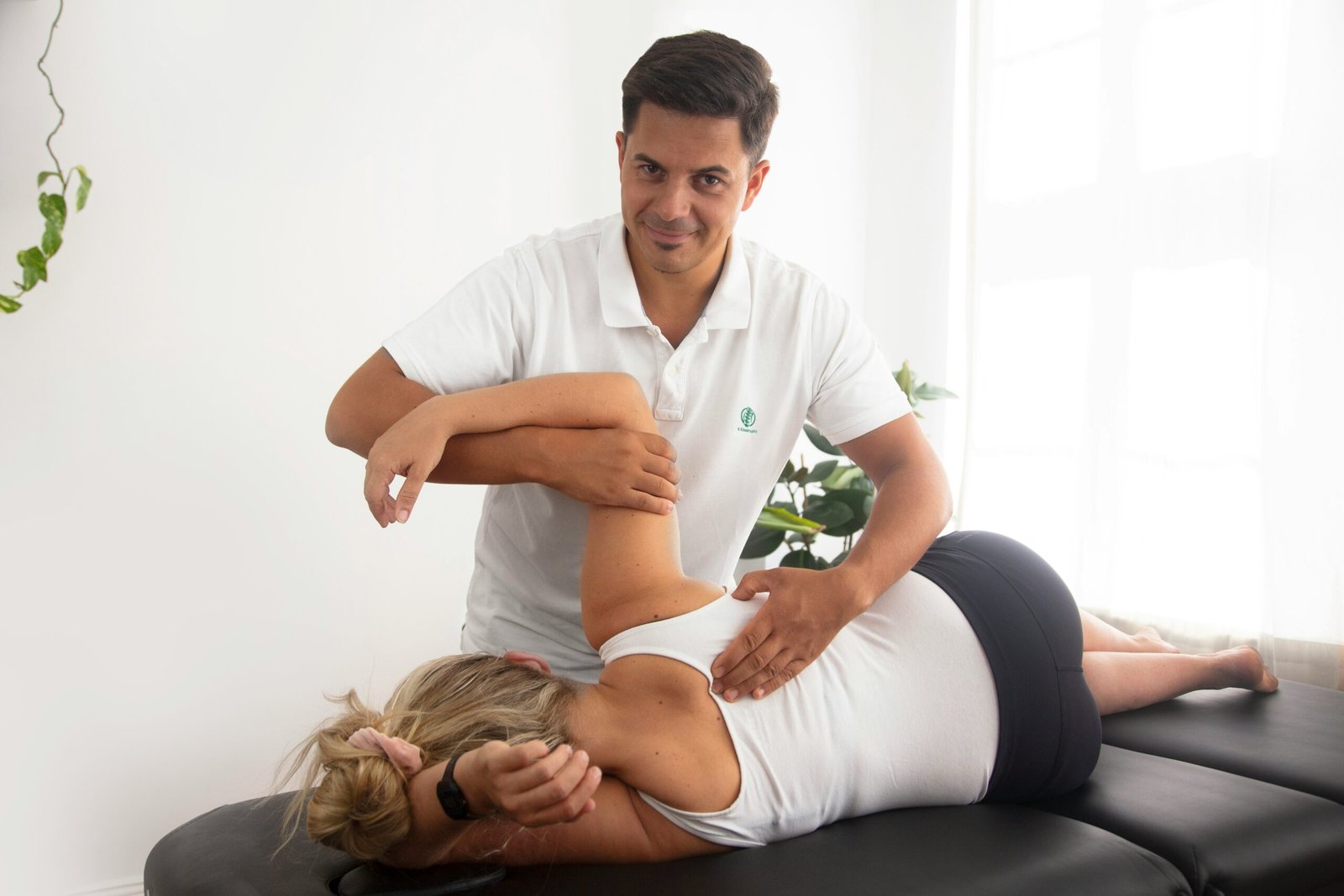
A physical therapist may employ manual therapy techniques to gently mobilize the knee joint. This could involve passive range of motion exercises where the therapist moves your leg for you, guiding the knee through a comfortable arc of motion. The goal is to initiate the restoration of the knee’s natural movement patterns without causing pain or compromising the surgical repair.
After undergoing knee arthroscopy, physical therapy plays a crucial role in the recovery process, helping to restore mobility and strength. For more information on the facilities available for rehabilitation and recovery, you can refer to this related article on physical therapy options at Orthoking. To learn more, visit this link.
Weeks 2-4: Embracing Mobility and Gradual Weight-Bearing
As the initial acute symptoms subside, the focus shifts towards increasing mobility and introducing weight-bearing activities. This phase is a bridge from passive management to active participation in your recovery.
Enhancing Flexibility and Joint Movement
During these weeks, your physical therapy sessions will intensify the efforts to restore full range of motion. This involves a progressively increasing arc of movement for bending and straightening the knee.
Assisted Bending and Straightening Exercises
You will likely engage in exercises such as heel slides, where you use your heel to slide your foot towards your buttocks while keeping it on the bed or floor. Wall slides can also be introduced, utilizing gravity to assist in bending the knee. Conversely, exercises to regain full knee extension might include placing a roll under your ankle to allow your knee to gently straighten with gravity.
Gentle Stretching Protocols
Your therapist will guide you through gentle stretches targeting the quadriceps, hamstrings, and calf muscles. These stretches, held for appropriate durations, aim to improve tissue elasticity and prevent muscle shortening, which can impede full knee function.
Gradual Weight-Bearing and Walking Progression
Depending on the nature of your surgery, your weight-bearing status will be carefully monitored and advanced.
Crutch Assistance and Partial Weight-Bearing
Initially, you may be instructed to use crutches to avoid putting full weight on the operated leg. Your therapist will guide you on the appropriate level of weight-bearing, progressing from partial weight-bearing (e.g., touching your foot to the floor) to increasing the amount of weight you place on the leg. This progression is a controlled journey to rebuild the knee’s capacity to bear your body load.
Transitioning to Walking Without Aids
The ultimate goal of this phase is to transition you to walking independently without crutches or other assistive devices. This is a significant milestone, indicating improved strength and confidence in the knee. Your therapist will analyze your gait and provide cues to correct any compensatory movement patterns you may have developed.
Initial Strength Building Exercises
While the primary focus is on mobility, foundational strength exercises are incorporated to support the increasingly mobile joint.
Quadriceps and Hamstring Strengthening
Beyond isometric contractions, you will begin active exercises to strengthen these key muscle groups. This might include straight leg raises, where you lift your leg straight off the bed or floor, and gentle hamstring curls using resistance bands as tolerated.
Calf Muscle Engagement
Calf raises, performed either standing or seated, will strengthen the muscles in your lower leg, which are important for walking and overall stability.
Weeks 5-8: Developing Strength, Stability, and Endurance
This stage marks a transition towards more intensive exercises, building upon the foundational mobility and strength established in the earlier weeks. The objective is to further fortify the knee and prepare it for higher demands.
Intensive Strengthening Regimens
The exercises in this phase become more challenging, designed to build significant muscle strength around the knee.
Progressive Resistance Training
Your therapist will introduce resistance bands, light weights, or bodyweight exercises to progressively overload the quadriceps, hamstrings, and gluteal muscles. Examples include squats, lunges (modified initially), and step-ups. These exercises are crucial for developing the power and endurance needed for daily activities and more.
Core Stability Exercises
Strengthening the core muscles (abdominal and back muscles) is integral to overall body stability and indirectly supports optimal knee function. Exercises like planks and bird-dog variations will be incorporated to enhance core strength and control.
Incorporating Low-Impact Cardiovascular Activities
To improve cardiovascular fitness and muscular endurance without excessive stress on the knee, low-impact activities are introduced.
Cycling on a Stationary Bike
Stationary cycling provides a controlled, low-impact way to improve knee range of motion, build endurance in the leg muscles, and elevate heart rate. The resistance and seat height can be adjusted to maintain comfort and challenge the knee appropriately.
Swimming or Water Walking
The buoyancy of water reduces the load on the knee joint, making swimming or water walking excellent options for building strength and endurance. The resistance of the water also provides a gentle challenge to the muscles.
Functional Training for Daily Activities
Beyond isolated muscle strengthening, exercises mimicking real-life movements are integrated.
Balance and Proprioception Training
The ability to sense your body’s position in space (proprioception) is often compromised after surgery. Exercises like standing on one leg, heel-to-toe walking, and using balance boards help to retrain the knee’s proprioceptive input, improving stability and reducing the risk of falls.
Agility Drills (Modified)
As the knee gains strength and confidence, modified agility drills like side-stepping or gentle figure-eights may be introduced to prepare the knee for multidirectional movements required in daily life and, eventually, sport.
Months 3-6+: Return to Activity and Long-Term Maintenance
This extended phase is dedicated to a full return to desired activities, including sports, and establishing strategies for long-term knee health. The timeline for this stage varies significantly based on individual factors and the nature of the surgery.
Sport-Specific Training and Drills
For individuals aiming to return to sports, the rehabilitation plan becomes highly individualized to their specific sport’s demands.
Plyometric Exercises (Advanced)
Once sufficient strength and stability are achieved, plyometric exercises, such as jumping, hopping, and bounding, may be introduced. These exercises help to develop explosive power and prepare the knee for the high-impact demands of many sports.
Sport Simulation and Skill Drills
This involves mimicking the movements and actions typical of your sport. For example, a basketball player might practice shooting and defensive slides, or a runner might gradually increase their running distance and speed while incorporating changes in direction.
Resuming Activities and Monitoring Progress
While many patients can return to most regular activities within three months, athletes often require a longer window, ranging from four weeks to as long as seven to nine months, particularly for contact sports.
Gradual Reintroduction to Recreational Activities
Whether it’s hiking, cycling outdoors, or playing a casual sport, the return to these activities should be gradual and guided by your physical therapist. Listen to your body and avoid pushing through pain.
Performance Testing and Clearance
Before a full return to demanding sports, your therapist and surgeon may conduct objective performance tests to ensure your knee meets the necessary strength, power, and stability criteria. This helps to minimize the risk of re-injury.
Ongoing Maintenance and Injury Prevention
Recovery from knee arthroscopy is not a one-time event; it involves a commitment to ongoing knee health.
Home Exercise Program Adherence
Continuing with a maintenance home exercise program is crucial. This program will include exercises to sustain strength, flexibility, and stability, acting as a preventative measure against future issues.
Proper Warm-up and Cool-down
Always prioritize a thorough warm-up before physical activity and a proper cool-down afterward. This helps prepare the muscles and joints for exertion and promotes recovery.
After undergoing knee arthroscopy, many patients seek effective rehabilitation strategies to enhance their recovery. A comprehensive understanding of physical therapy’s role in this process can significantly impact outcomes. For those interested in exploring this topic further, a related article discusses the importance of tailored rehabilitation programs and offers insights into exercises that can aid in recovery. You can read more about it in this informative piece on medical counseling.
Key Strategies for an Optimized Recovery Journey
Your active participation and adherence to the rehabilitation plan are the most significant determinants of a successful outcome.
Consistent Engagement with Physical Therapy
Your personalized physical therapy plan outlines a structured progression of exercises. Diligently performing these exercises, ideally for 20-30 minutes, two to three times a day, accelerates the healing process and muscle strengthening. Each session is a building block in the reconstructive phase of your knee’s recovery.
Vigilant Swelling and Pain Management
Continue to utilize the RICE protocol as needed, even weeks or months post-surgery, especially after increased activity. Elevating and icing your leg after exercise sessions can significantly reduce post-activity swelling and discomfort, allowing for more consistent progress.
Commitment to Home Exercises
The work done in the clinic with your physical therapist is complemented by the exercises you perform at home. These home exercises reinforce the gains made during therapy sessions and are essential for continuous improvement. View them as daily contributions to your knee’s complete restoration.
Monitoring and Reporting Progress
Maintain open communication with your physical therapist and surgeon. Pay attention to how your knee responds to exercises and activities. Report any undue pain, swelling, or setbacks promptly. Your feedback allows the medical team to adjust your rehabilitation plan as needed, ensuring a tailored and effective recovery. Your knee’s journey back to strength is a marathon, not a sprint, and consistent, informed effort is your most powerful tool.
FAQs
What is knee arthroscopy?
Knee arthroscopy is a surgical procedure that allows a doctor to view the inside of the knee joint using a small camera. It is commonly used to diagnose and treat a variety of knee problems, such as torn meniscus, misaligned patella, and damaged cartilage.
What is physical therapy after knee arthroscopy?
Physical therapy after knee arthroscopy is a rehabilitation program designed to help patients regain strength, flexibility, and range of motion in the knee. It typically involves a combination of exercises, manual therapy, and other modalities to improve function and reduce pain.
What are the benefits of physical therapy after knee arthroscopy?
Physical therapy can help improve the overall outcome of knee arthroscopy by promoting healing, reducing swelling, and preventing stiffness. It can also help patients regain normal movement patterns and return to their normal activities more quickly.
How long does physical therapy after knee arthroscopy last?
The duration of physical therapy after knee arthroscopy can vary depending on the individual’s specific condition and the extent of the surgery. Typically, it can last anywhere from 6 weeks to several months, with the frequency and intensity of sessions gradually decreasing as the patient progresses.
What can I expect during physical therapy after knee arthroscopy?
During physical therapy, patients can expect to work closely with a physical therapist who will create a personalized treatment plan based on their specific needs and goals. This may include a combination of exercises, manual therapy, and modalities such as ice, heat, or electrical stimulation. The therapist will also provide education on home exercises and strategies for managing pain and swelling.
