Essential Orthopedic Surgery Instruments

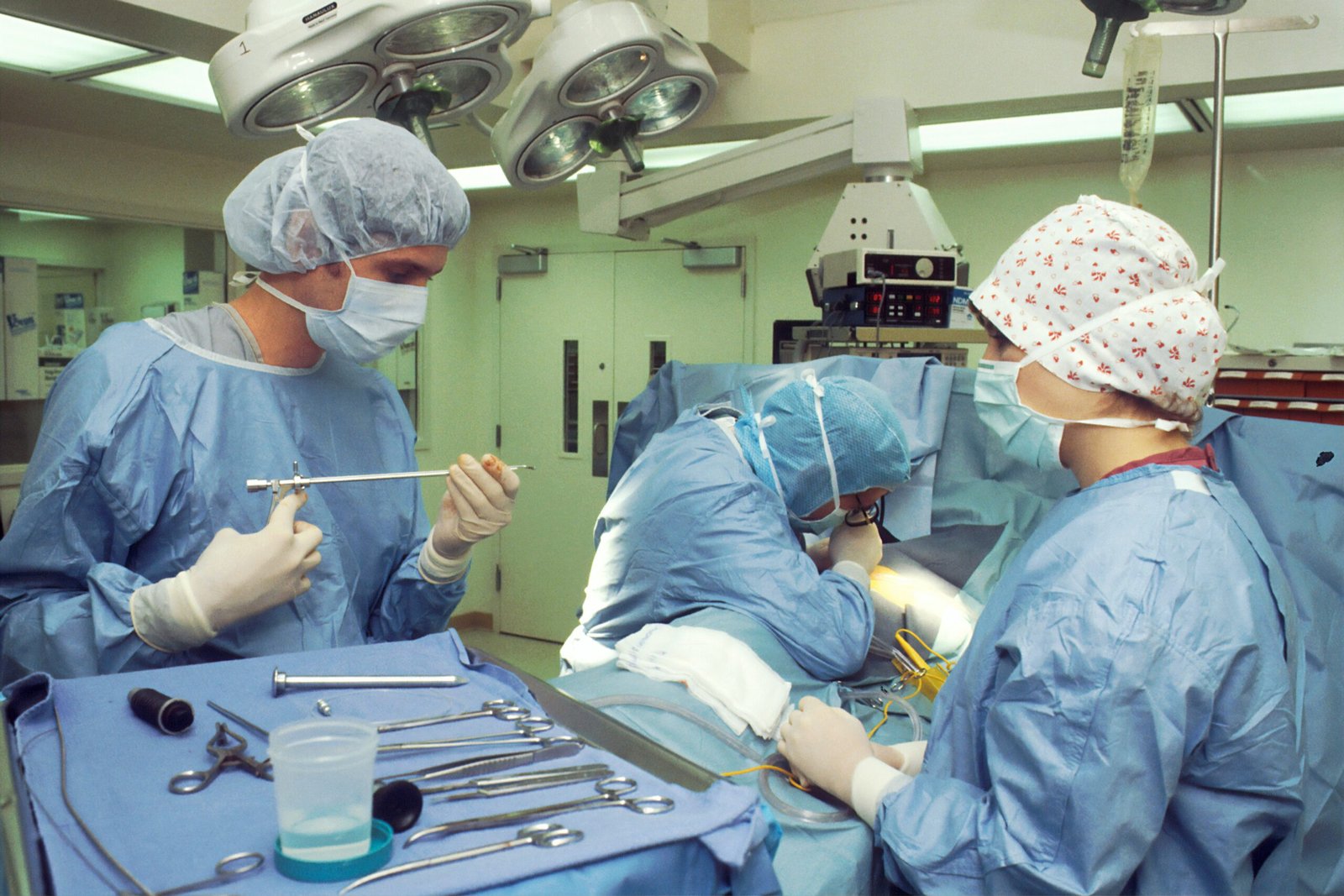
Orthopedic surgery instruments are the precise tools that surgeons employ to repair and reconstruct the musculoskeletal system. These instruments are designed for specific tasks, ranging from making incisions and holding tissues to shaping bone and closing wounds. The effectiveness of orthopedic procedures often hinges on the surgeon’s skill and the quality and appropriate selection of these instruments.

To address issues within the skeletal framework, surgeons require instruments capable of precise bone division and contouring. This category encompasses a variety of tools, each serving a distinct purpose in preparing bone surfaces for union or implant placement.

Saw Blades and Saws

Saw blades, when paired with their respective saw frames, function as the primary cutting tools for bone. The selection of blade size and tooth pattern depends on the density and size of the bone being sectioned.

Oscillating Saws

These saws utilize a back-and-forth cutting motion, allowing for controlled and accurate bone cuts. Their oscillating action minimizes heat generation and vibration, which can be beneficial for protecting surrounding soft tissues and bone. Different blade configurations are available for various anatomical regions and cut types.

Reciprocating Saws

Reciprocating saws employ a linear back-and-forth motion. They are often used for larger bone cuts and osteotomies. Their robust nature makes them suitable for denser bone, though they can generate more heat than oscillating saws.

Wire Saws

Wire saws, typically a thin, flexible wire with abrasive particles or sharp teeth, are used for intricate cuts or in confined spaces where larger saws cannot access. They are often employed in hand and foot surgeries.

Osteotomes and Chisels

Osteotomes are chisel-like instruments with a beveled edge designed for cutting or splitting bone. Chisels are similar but may have a flatter or rounded bevel and are often used for paring or gouging bone.

Straight Osteotomes

These osteotomes have a flat cutting edge and are used for making straight cuts or dividing bone. They are applied with a mallet to achieve the desired separation.

Curved Osteotomes

Curved osteotomes are designed to follow the contour of bone, facilitating precise shaping or removal of bone fragments.

Gouges

Gouges are shaped like small scoops and are used to remove small amounts of bone or to create a depression in the bone surface.

Drills and Reamers

Drills and reamers are essential for creating holes in bone, preparing them for screws, pins, or for widening existing bone canals.

Drill Bits

Drill bits come in various diameters and lengths, crafted from hardened steel or carbide for bone penetration. They are often used with powered surgical drills.

Reamers

Reamers are used to enlarge or shape bone canals, such as the medullary canal for intramedullary nailing. They can be manual or powered and come in various designs, including spiral and flexible reamers.

In the realm of orthopedic surgery, the precision and effectiveness of surgical instruments play a crucial role in patient outcomes. A related article that delves into the importance of high-quality orthopedic surgery instruments can be found at this link. This resource provides valuable insights into how advancements in surgical tools can enhance the efficiency of procedures and improve recovery times for patients undergoing orthopedic interventions.

Bone Grasping and Holding Instruments

Successfully manipulating bone fragments and maintaining them in position during surgical repair requires instruments designed for a secure grip. These tools act as an extension of the surgeon’s hands, providing the necessary purchase on often slippery bone surfaces.

Forceps and Graspers

Bone forceps and graspers are designed to securely hold bone fragments, soft tissues attached to bone, or to provide leverage during procedures.

Bone Holding Forceps (e.g., Lane, Lowman)

These forceps are characterized by their strong jaws, often with serrated tips, designed to firmly grip bone fragments. They are crucial for stabilizing fractured segments during internal fixation.

Tissue Forceps (e.g., Adson, DeBakey)

While primarily used for soft tissues, fine-tipped tissue forceps are also employed to gently grasp periosteum or other fibrous tissues attached to bone, preventing their avulsion.

Retractors

Retractors are used to pull back surrounding tissues, exposing the surgical site and providing adequate visibility for bone manipulation.

Self-Retaining Retractors

These retractors, such as the Senn or Army-Navy retractor, are designed to maintain their positioned separation of tissues without constant manual holding, freeing the surgeon’s hands.

General-Purpose Retractors

A wide array of retractors with varying blade shapes and sizes are available to gently retract muscle, fascia, and skin, offering crucial access to the bone.

Bone Implantation and Fixation Instruments

Once bone is prepared or aligned, instruments are needed to place implants, such as screws, plates, and nails, to facilitate the healing process. These instruments ensure the accurate and secure fixation of the bone.

Screw Drivers and Extractors

These instruments are fundamental for inserting and removing orthopedic screws, which are commonly used to secure plates to bone or to directly fix bone fragments.

Hexagonal Driver Bits

Used with powered drills or manual handles, these bits engage with the hexagonal recess in the head of most orthopedic screws.

Square/Phillips Driver Bits

Less common in modern orthopedic practice, but still found in older implant systems, these bits engage with different screw head designs.

Screw Extractors

In cases of broken screws or screws that are difficult to remove, specialized extractors are used to grip and remove the compromised hardware.

Plate Benders and Contourers

Orthopedic plates, often made of metal alloys, need to be conformed to the specific curvature of the bone they are meant to stabilize.

Plate Bending Pliers

These instruments utilize leverage to bend and shape metallic bone plates to match the anatomy of the fracture site.

Mandrels and Formers

These are often used in conjunction with plates to provide a template or supportive structure while bending, ensuring a precise contour.

Nail Introducers and Mallets

Intramedullary nails, inserted into the hollow center of long bones, require specialized introducers and mallets for their placement.

Nail Introducers

These guides and sleeves help to direct the intramedullary nail into the medullary canal in a controlled manner, preventing deviation.

Mallets

Weighted mallets, often with specialized heads (e.g., plastic, metal), are used to gently tap and drive osteotomes, chisels, and sometimes the intramedullary nails into their final position.

Soft Tissue Handling and Periosteal Instruments

While bone is the primary focus, orthopedic surgery inevitably involves managing the surrounding soft tissues. Instruments for retracting muscles, grasping ligaments, and elevating periosteum are vital for creating a visible and accessible surgical field without causing undue damage.

Retractors

As mentioned previously, retractors are crucial for exposing the bone by gently displacing muscles, tendons, and other soft tissues. The selection of retractors depends on the anatomical location and the depth required.

Deep Muscle Retractors

These are often larger and sturdier than superficial retractors, designed to hold back substantial muscle masses during procedures on the hip or femur.

Tendon and Ligament Retractors

Finer, more delicate retractors are used to protect and expose tendons and ligaments, especially in areas where these structures are critical to joint stability.

Periosteal Elevators

The periosteum, a tough membrane covering bone, is rich in blood vessels and osteoblasts, crucial for bone healing. Elevators are used to gently separate the periosteum from the bone before cutting or drilling.

Freer Elevators

These are delicate, spoon-shaped instruments used for elevating periosteum in smaller anatomical areas.

Cobb Elevators

Larger and sturdier than Freer elevators, Cobb elevators are used for more extensive periosteal elevation. They often have a slotted end to accommodate small bone fragments or debris.

Ligament and Tendon Grasping Instruments

When ligaments or tendons need to be manipulated, sutured, or reattached, specialized grasping instruments are employed.

Smooth Forceps

Used to gently grasp intact ligaments or tendons without causing tearing or damage.

Tendon Strippers

These are long, flexible instruments used to remove a diseased portion of a tendon, such as in cases of rotator cuff tears.

In the field of orthopedic surgery, the selection and use of specialized instruments play a crucial role in ensuring successful patient outcomes. For those interested in exploring the latest advancements in surgical tools and techniques, a related article can provide valuable insights into the innovations shaping the future of orthopedic procedures. You can read more about this topic in the article on pharmaceutical advice, which discusses the importance of integrating modern instruments into surgical practices. For further details, visit this link.

Specialized Instruments

Instrument Type Usage Material
Bone Saw Cutting bone during surgery Stainless steel
Drill Make holes in bone for screws Stainless steel
Forceps Grasping and holding tissues Stainless steel
Retractor Hold back underlying organs or tissues Stainless steel

Beyond the general categories, orthopedics utilizes a range of specialized instruments for unique procedures, often related to arthroscopy, joint replacement, or trauma management.

Arthroscopic Instruments

Arthroscopy, a minimally invasive surgical technique, requires a suite of specialized instruments that can be inserted through small incisions.

Arthroscopes

These are small, rigid or flexible tubes equipped with a light source and a camera, allowing visualization of the joint interior on a monitor.

Arthroscopic Shavers and Cutters

These powered instruments are used to remove damaged tissue, cartilage fragments, or bone spurs within the joint. They offer precise control in confined spaces.

Arthroscopic Grasping Forceps

Small, delicate forceps designed to grasp and remove tissue fragments or to manipulate biological grafts within the joint.

Joint Replacement Instruments

Prosthetic joint implantation, such as for the hip or knee, involves instruments specifically designed for bone preparation and implant insertion.

Acetabular Reamers and Broaches

Used to shape the socket of the hip joint to receive the acetabular cup. Broaches have a distinct rasping surface for bone preparation.

Femoral Reamers and Broaches

Analogous to acetabular instruments, these are used to prepare the femoral canal to receive the femoral stem of a hip prosthesis.

Trial Components

Before final implantation, trial versions of the prosthetic components are used to assess fit, alignment, and stability. Instruments are required to insert and remove these trial components.

Trauma Specific Instruments

The management of complex fractures, particularly those involving significant bone loss or comminution, may require specialized instruments.

Bone Graft Harvesters

Instruments designed to efficiently and safely obtain autograft bone from a donor site, such as the iliac crest, for reconstruction.

External Fixator Components

While not always hand-held instruments during insertion, the components of external fixators (pins, clamps, rods) and the specialized drills and drivers used to insert them fall under specialized trauma equipment.

The selection and skillful use of these instruments are paramount. A surgeon might be considered a conductor, orchestrating the precise movements of these tools, much like musicians bringing a symphony to life. Each instrument, from the smallest micro-dissector to the most robust saw, plays a critical role in restoring function and alleviating pain for the patient. Their evolution continues, driven by the pursuit of less invasive techniques, improved patient outcomes, and enhanced surgical efficiency.

Recovering Strong: Physical Therapy Post-Knee Arthroscopy

Knee arthroscopy is a minimally invasive surgical procedure used to diagnose and treat problems within the knee joint. It involves inserting a small camera (arthroscope) and surgical instruments through small incisions. While less invasive than open surgery, it still constitutes a significant physical event for the body. The objective of this procedure is to address issues such as meniscus tears, ligament damage, or cartilage defects. Following such an intervention, the knee joint, though repaired, requires a structured rehabilitation process to regain its full function. This process is spearheaded by physical therapy, a critical component in ensuring a successful recovery.

The Immediate Post-Operative Period: Laying the Foundation

The initial phase of recovery begins almost immediately after knee arthroscopy. This period is characterized by acute management of symptoms and gentle reintroduction of movement.

Pain Management and Swelling Reduction

Upon discharge, managing pain and swelling is paramount. The RICE protocol (Rest, Ice, Compression, Elevation) is a foundational strategy. Applying ice to the knee, often in 20-minute intervals several times a day, helps to control inflammation. Elevating the leg above heart level assists in reducing fluid accumulation. Compression bandages further aid in minimizing swelling. Pain medication, as prescribed by your surgeon, is crucial for comfort and enabling participation in early therapy.

Restoring Initial Range of Motion

Even in the immediate aftermath of surgery, gentle exercises are initiated to prevent stiffness. These are not about pushing limits but about preventing the knee from “freezing up.”

Quadriceps and Hamstring Contractions

You will be instructed to perform isometric quadriceps sets, where you tighten your thigh muscle as if pushing your knee down into a bed, holding for a few seconds, and then relaxing. Similarly, gentle hamstring curls, where you subtly contract the back of your thigh, contribute to early muscle activation without stressing the surgical site. These contractions help maintain muscle tone and promote blood circulation, which is vital for healing.

Manual Therapy Techniques

A physical therapist may employ manual therapy techniques to gently mobilize the knee joint. This could involve passive range of motion exercises where the therapist moves your leg for you, guiding the knee through a comfortable arc of motion. The goal is to initiate the restoration of the knee’s natural movement patterns without causing pain or compromising the surgical repair.

After undergoing knee arthroscopy, physical therapy plays a crucial role in the recovery process, helping to restore mobility and strength. For more information on the facilities available for rehabilitation and recovery, you can refer to this related article on physical therapy options at Orthoking. To learn more, visit this link.

Weeks 2-4: Embracing Mobility and Gradual Weight-Bearing

As the initial acute symptoms subside, the focus shifts towards increasing mobility and introducing weight-bearing activities. This phase is a bridge from passive management to active participation in your recovery.

Enhancing Flexibility and Joint Movement

During these weeks, your physical therapy sessions will intensify the efforts to restore full range of motion. This involves a progressively increasing arc of movement for bending and straightening the knee.

Assisted Bending and Straightening Exercises

You will likely engage in exercises such as heel slides, where you use your heel to slide your foot towards your buttocks while keeping it on the bed or floor. Wall slides can also be introduced, utilizing gravity to assist in bending the knee. Conversely, exercises to regain full knee extension might include placing a roll under your ankle to allow your knee to gently straighten with gravity.

Gentle Stretching Protocols

Your therapist will guide you through gentle stretches targeting the quadriceps, hamstrings, and calf muscles. These stretches, held for appropriate durations, aim to improve tissue elasticity and prevent muscle shortening, which can impede full knee function.

Gradual Weight-Bearing and Walking Progression

Depending on the nature of your surgery, your weight-bearing status will be carefully monitored and advanced.

Crutch Assistance and Partial Weight-Bearing

Initially, you may be instructed to use crutches to avoid putting full weight on the operated leg. Your therapist will guide you on the appropriate level of weight-bearing, progressing from partial weight-bearing (e.g., touching your foot to the floor) to increasing the amount of weight you place on the leg. This progression is a controlled journey to rebuild the knee’s capacity to bear your body load.

Transitioning to Walking Without Aids

The ultimate goal of this phase is to transition you to walking independently without crutches or other assistive devices. This is a significant milestone, indicating improved strength and confidence in the knee. Your therapist will analyze your gait and provide cues to correct any compensatory movement patterns you may have developed.

Initial Strength Building Exercises

While the primary focus is on mobility, foundational strength exercises are incorporated to support the increasingly mobile joint.

Quadriceps and Hamstring Strengthening

Beyond isometric contractions, you will begin active exercises to strengthen these key muscle groups. This might include straight leg raises, where you lift your leg straight off the bed or floor, and gentle hamstring curls using resistance bands as tolerated.

Calf Muscle Engagement

Calf raises, performed either standing or seated, will strengthen the muscles in your lower leg, which are important for walking and overall stability.

Weeks 5-8: Developing Strength, Stability, and Endurance

This stage marks a transition towards more intensive exercises, building upon the foundational mobility and strength established in the earlier weeks. The objective is to further fortify the knee and prepare it for higher demands.

Intensive Strengthening Regimens

The exercises in this phase become more challenging, designed to build significant muscle strength around the knee.

Progressive Resistance Training

Your therapist will introduce resistance bands, light weights, or bodyweight exercises to progressively overload the quadriceps, hamstrings, and gluteal muscles. Examples include squats, lunges (modified initially), and step-ups. These exercises are crucial for developing the power and endurance needed for daily activities and more.

Core Stability Exercises

Strengthening the core muscles (abdominal and back muscles) is integral to overall body stability and indirectly supports optimal knee function. Exercises like planks and bird-dog variations will be incorporated to enhance core strength and control.

Incorporating Low-Impact Cardiovascular Activities

To improve cardiovascular fitness and muscular endurance without excessive stress on the knee, low-impact activities are introduced.

Cycling on a Stationary Bike

Stationary cycling provides a controlled, low-impact way to improve knee range of motion, build endurance in the leg muscles, and elevate heart rate. The resistance and seat height can be adjusted to maintain comfort and challenge the knee appropriately.

Swimming or Water Walking

The buoyancy of water reduces the load on the knee joint, making swimming or water walking excellent options for building strength and endurance. The resistance of the water also provides a gentle challenge to the muscles.

Functional Training for Daily Activities

Beyond isolated muscle strengthening, exercises mimicking real-life movements are integrated.

Balance and Proprioception Training

The ability to sense your body’s position in space (proprioception) is often compromised after surgery. Exercises like standing on one leg, heel-to-toe walking, and using balance boards help to retrain the knee’s proprioceptive input, improving stability and reducing the risk of falls.

Agility Drills (Modified)

As the knee gains strength and confidence, modified agility drills like side-stepping or gentle figure-eights may be introduced to prepare the knee for multidirectional movements required in daily life and, eventually, sport.

Months 3-6+: Return to Activity and Long-Term Maintenance

This extended phase is dedicated to a full return to desired activities, including sports, and establishing strategies for long-term knee health. The timeline for this stage varies significantly based on individual factors and the nature of the surgery.

Sport-Specific Training and Drills

For individuals aiming to return to sports, the rehabilitation plan becomes highly individualized to their specific sport’s demands.

Plyometric Exercises (Advanced)

Once sufficient strength and stability are achieved, plyometric exercises, such as jumping, hopping, and bounding, may be introduced. These exercises help to develop explosive power and prepare the knee for the high-impact demands of many sports.

Sport Simulation and Skill Drills

This involves mimicking the movements and actions typical of your sport. For example, a basketball player might practice shooting and defensive slides, or a runner might gradually increase their running distance and speed while incorporating changes in direction.

Resuming Activities and Monitoring Progress

While many patients can return to most regular activities within three months, athletes often require a longer window, ranging from four weeks to as long as seven to nine months, particularly for contact sports.

Gradual Reintroduction to Recreational Activities

Whether it’s hiking, cycling outdoors, or playing a casual sport, the return to these activities should be gradual and guided by your physical therapist. Listen to your body and avoid pushing through pain.

Performance Testing and Clearance

Before a full return to demanding sports, your therapist and surgeon may conduct objective performance tests to ensure your knee meets the necessary strength, power, and stability criteria. This helps to minimize the risk of re-injury.

Ongoing Maintenance and Injury Prevention

Recovery from knee arthroscopy is not a one-time event; it involves a commitment to ongoing knee health.

Home Exercise Program Adherence

Continuing with a maintenance home exercise program is crucial. This program will include exercises to sustain strength, flexibility, and stability, acting as a preventative measure against future issues.

Proper Warm-up and Cool-down

Always prioritize a thorough warm-up before physical activity and a proper cool-down afterward. This helps prepare the muscles and joints for exertion and promotes recovery.

After undergoing knee arthroscopy, many patients seek effective rehabilitation strategies to enhance their recovery. A comprehensive understanding of physical therapy’s role in this process can significantly impact outcomes. For those interested in exploring this topic further, a related article discusses the importance of tailored rehabilitation programs and offers insights into exercises that can aid in recovery. You can read more about it in this informative piece on medical counseling.

Key Strategies for an Optimized Recovery Journey

Your active participation and adherence to the rehabilitation plan are the most significant determinants of a successful outcome.

Consistent Engagement with Physical Therapy

Your personalized physical therapy plan outlines a structured progression of exercises. Diligently performing these exercises, ideally for 20-30 minutes, two to three times a day, accelerates the healing process and muscle strengthening. Each session is a building block in the reconstructive phase of your knee’s recovery.

Vigilant Swelling and Pain Management

Continue to utilize the RICE protocol as needed, even weeks or months post-surgery, especially after increased activity. Elevating and icing your leg after exercise sessions can significantly reduce post-activity swelling and discomfort, allowing for more consistent progress.

Commitment to Home Exercises

The work done in the clinic with your physical therapist is complemented by the exercises you perform at home. These home exercises reinforce the gains made during therapy sessions and are essential for continuous improvement. View them as daily contributions to your knee’s complete restoration.

Monitoring and Reporting Progress

Maintain open communication with your physical therapist and surgeon. Pay attention to how your knee responds to exercises and activities. Report any undue pain, swelling, or setbacks promptly. Your feedback allows the medical team to adjust your rehabilitation plan as needed, ensuring a tailored and effective recovery. Your knee’s journey back to strength is a marathon, not a sprint, and consistent, informed effort is your most powerful tool.

FAQs

What is knee arthroscopy?

Knee arthroscopy is a surgical procedure that allows a doctor to view the inside of the knee joint using a small camera. It is commonly used to diagnose and treat a variety of knee problems, such as torn meniscus, misaligned patella, and damaged cartilage.

What is physical therapy after knee arthroscopy?

Physical therapy after knee arthroscopy is a rehabilitation program designed to help patients regain strength, flexibility, and range of motion in the knee. It typically involves a combination of exercises, manual therapy, and other modalities to improve function and reduce pain.

What are the benefits of physical therapy after knee arthroscopy?

Physical therapy can help improve the overall outcome of knee arthroscopy by promoting healing, reducing swelling, and preventing stiffness. It can also help patients regain normal movement patterns and return to their normal activities more quickly.

How long does physical therapy after knee arthroscopy last?

The duration of physical therapy after knee arthroscopy can vary depending on the individual’s specific condition and the extent of the surgery. Typically, it can last anywhere from 6 weeks to several months, with the frequency and intensity of sessions gradually decreasing as the patient progresses.

What can I expect during physical therapy after knee arthroscopy?

During physical therapy, patients can expect to work closely with a physical therapist who will create a personalized treatment plan based on their specific needs and goals. This may include a combination of exercises, manual therapy, and modalities such as ice, heat, or electrical stimulation. The therapist will also provide education on home exercises and strategies for managing pain and swelling.

Understanding Risks of Knee Arthroscopy

Knee arthroscopy is a surgical procedure that allows surgeons to visualize and address problems within the knee joint using a small incision and specialized instruments. While often presented as a minimally invasive option, it carries inherent risks and limitations that warrant careful consideration, particularly for specific patient populations. This article aims to provide a factual overview of these risks, drawing on current research and professional guidelines.

What is Knee Arthroscopy?

Knee arthroscopy involves the insertion of an arthroscope, a thin tube with a camera, into the knee joint. This allows the surgeon to see the internal structures on a monitor. Small surgical instruments can then be introduced through additional small incisions to perform procedures such as:

  • Meniscus repair or trimming: Addressing tears in the cartilage that cushions the knee joint.
  • Removal of loose bodies: Taking out fragments of bone or cartilage that are causing pain or locking.
  • Repair of damaged cartilage: Smoothing or removing damaged cartilage.
  • Synovectomy: Removing inflamed joint lining.
  • Ligament reconstruction: Though less common for isolated repair, arthroscopy can assist in ACL reconstruction.

The appeal of arthroscopy often stems from its “keyhole surgery” nature, suggesting quicker recovery and less pain than traditional open surgery. However, as with any medical intervention, understanding the full spectrum of potential outcomes is crucial.

Knee arthroscopy is a minimally invasive surgical procedure that can effectively diagnose and treat various knee conditions; however, it is essential to be aware of the potential risks and complications associated with the procedure. For a more in-depth understanding of these risks, you may find the article on the complications of knee arthroscopy helpful. It provides valuable insights into what patients should consider before undergoing the surgery. To learn more, visit this link.

Limited Benefits for Degenerative Knees

For many individuals experiencing knee pain, particularly those in middle age or older, the underlying cause is often degenerative change, such as osteoarthritis. In these cases, the benefits of arthroscopy are often limited and short-lived.

Evidence of Short-Term Pain Relief

Research indicates that for degenerative knee conditions, arthroscopy may offer a small, short-term reduction in pain. A meta-analysis, a study that combines results from multiple individual studies, suggests that this pain relief typically lasts up to six months. Beyond this period, the sustained improvement in pain often diminishes.

Lack of Long-Term Functional Gains

Crucially, the same body of evidence demonstrates that knee arthroscopy for degenerative conditions generally does not lead to long-term improvements in physical function. While a fleeting improvement might be experienced initially, patients frequently do not see lasting gains in their ability to perform daily activities, walk, or participate in physical exercise compared to non-surgical management. This is akin to painting over a rusty surface; it might look better for a short time, but the underlying issue remains.

Harms Outweigh Benefits in Specific Patient Groups

For middle-aged and older patients, particularly those with age-related meniscus tears or early to moderate osteoarthritis, the potential harms of knee arthroscopy may outweigh the documented benefits. Professional guidelines strongly advise against arthroscopic surgery for age-related meniscus tears, highlighting that outcomes often mirror those achieved with physical therapy alone, but with the added layer of surgical risk and recovery time.

Common Complications

While knee arthroscopy is generally considered safe, complications can occur. It is important to understand that while these complications are relatively rare in absolute terms, they are still a possibility. Think of these risks as small, individual stones that, when combined, create a potential obstacle.

Infection

Infection within the knee joint (septic arthritis) is a serious but infrequent complication, occurring in approximately 2 out of every 1000 procedures. Symptoms include increased pain, swelling, redness, warmth, and potentially fever. Prompt treatment with antibiotics is essential to prevent long-term joint damage.

Blood Clots

Deep vein thrombosis (DVT), a blood clot in a deep vein, typically in the leg, can occur in about 4 out of every 1000 arthroscopies. If a DVT dislodges and travels to the lungs, it can cause a pulmonary embolism (PE), a life-threatening condition occurring in approximately 1 out of every 1000 procedures. Symptoms of DVT include leg pain, swelling, tenderness, and warmth. Symptoms of PE include sudden shortness of breath, chest pain, and coughing.

Other Potential Complications

  • Bleeding: While generally minor, excessive bleeding within the joint can occur, leading to increased swelling and pain.
  • Nerve or tissue damage: Although rare, instruments can inadvertently cause damage to nerves, blood vessels, or surrounding soft tissues. This can result in numbness, weakness, or persistent pain.
  • Stiffness: Post-operative stiffness is a common concern and can be exacerbated if proper rehabilitation is not undertaken.
  • Swelling: Swelling in the knee is expected after surgery, but persistent or excessive swelling may indicate a complication.

Long-Term Risks and Outcomes

Beyond the immediate post-operative period, knee arthroscopy carries potential long-term implications that deserve careful consideration, particularly in the context of degenerative knee disease.

Accelerated Osteoarthritis Progression

One significant long-term risk associated with knee arthroscopy, particularly for meniscus tears, is the potential acceleration of osteoarthritis progression. Removing or trimming meniscal tissue, even a small amount, alters the biomechanics of the knee joint. The meniscus acts as a shock absorber and load distributor. Its removal can concentrate stress on the articular cartilage, thereby increasing the rate of wear and tear and leading to earlier or more severe osteoarthritis. This can be viewed as removing a critical shock absorber from a vehicle; the ride might seem okay initially, but the frame will take a greater beating over time.

Need for Repeat Surgery

Knee arthroscopy is not a guarantee of a permanent solution. Approximately 1 in 4 patients who undergo arthroscopy may require repeat knee surgery within five years. This could be due to persistent symptoms, new tears, or the progression of underlying degenerative conditions.

Persistent Knee Issues

Even without the need for repeat surgery, many patients continue to experience ongoing knee issues following arthroscopy. This can include persistent pain, stiffness, clicking, or a sense of instability. The initial issue may have been addressed, but the underlying mechanisms contributing to the discomfort may not have been fully resolved.

Higher Knee Replacement Rates vs. Non-Surgical Options

Comparative studies have shown that patients undergoing arthroscopic surgery for degenerative knee conditions may ultimately have higher rates of knee replacement compared to those who pursue non-surgical management, such as exercise and physical therapy. This suggests that arthroscopy, in certain cases, might be a temporary detour rather than a long-term solution, potentially delaying but not preventing the need for more extensive surgery.

Knee arthroscopy is a minimally invasive surgical procedure that can provide significant benefits, but it is not without its risks and complications. Patients should be aware of potential issues such as infection, blood clots, and damage to surrounding tissues. For a deeper understanding of these risks, you may find it helpful to read a related article that discusses the various complications associated with knee arthroscopy. This information can be found at this link, which offers valuable insights for anyone considering the procedure.

Professional Guidelines and Alternatives

Considering the documented limitations and risks, professional medical organizations have issued guidelines regarding the appropriate use of knee arthroscopy, particularly for degenerative conditions.

Recommendations Against for Age-Related Meniscus Tears

Multiple professional bodies recommend against arthroscopic surgery for age-related meniscus tears, especially in the absence of mechanical symptoms like true locking. These guidelines emphasize that the outcomes of arthroscopy for these conditions are often no better than those achieved with a structured physical therapy program. The added risks of surgery, along with the recovery time and potential for accelerated arthritis, make it an unfavorable option in many instances.

Outcomes Match Physical Therapy

Extensive research, including randomized controlled trials, has demonstrated that for degenerative meniscus tears and mild to moderate osteoarthritis, physical therapy alone can achieve comparable or even superior outcomes to arthroscopic surgery in terms of pain relief and functional improvement. Physical therapy focuses on strengthening the muscles around the knee, improving flexibility, and modifying activity to reduce stress on the joint. This approach avoids the surgical risks and recovery period.

Added Arthritis Risk and Recovery Time

Choosing surgery when physical therapy is an equally effective option introduces an unnecessary layer of risk. Patients undergoing arthroscopy face the known risks of infection, blood clots, and potential long-term acceleration of osteoarthritis. Furthermore, the recovery period after arthroscopy, while often shorter than open surgery, still involves soreness and restricted activity for 3 to 6 months. This downtime can interfere with work, leisure activities, and overall quality of life, without providing a definitive long-term advantage over non-surgical approaches.

Other Important Considerations

Beyond the medical risks and benefits, several other factors influence discussions around knee arthroscopy.

Revenue Incentives for Surgery

It is important for patients to be aware of the financial incentives that can influence treatment recommendations. The reimbursement for knee arthroscopy can be significantly higher (10-20 times) than for a course of physical therapy. This disparity can, consciously or unconsciously, influence the advice given by healthcare providers, leading to a potential over-utilization of surgical interventions for conditions where non-surgical alternatives are equally, if not more, effective. This creates a financial gradient, where one path is financially more rewarding for the provider.

Post-Operative Quadriceps Strength Loss

A common and often overlooked consequence of knee arthroscopy is the loss of quadriceps muscle strength following the procedure. Studies have shown a significant reduction in quad strength, typically ranging from 3-8% within the first two weeks post-surgery. This muscle weakness can contribute to persistent functional limitations, instability, and make rehabilitation more challenging. Vigorous and consistent physical therapy is crucial to regain this lost strength.

Cost Implications

The financial cost of knee arthroscopy can range from approximately $5,000 to $10,000, depending on the facility, geographical location, and specific procedures performed. This cost includes surgeon fees, anesthesia, facility charges, and follow-up care. Patients should consider these financial implications, especially when comparable or superior outcomes can be achieved through less expensive non-surgical methods.

Contraindications

Knee arthroscopy is not appropriate for everyone. Specific contraindications include:

  • Severe osteoarthritis: In cases of advanced or severe osteoarthritis, where there is extensive cartilage loss, arthroscopy offers minimal benefit and may even exacerbate symptoms. In these situations, joint replacement surgery is typically the more appropriate treatment.
  • Active infection: Performing arthroscopy on a knee with an active infection can spread the infection and worsen the patient’s condition. The infection must be treated and resolved before any elective surgical procedure.
  • Other medical comorbidities: Patients with significant underlying medical conditions that increase surgical risk (e.g., severe heart disease, uncontrolled diabetes) may not be suitable candidates for elective arthroscopy.

In conclusion, while knee arthroscopy can be a valuable tool for certain acute knee injuries, its utility and long-term effectiveness, particularly for degenerative conditions in older adults, are increasingly being questioned by robust scientific evidence. Patients facing decisions about knee arthroscopy should engage in thorough discussions with their healthcare providers, understand the evidence-based limitations, explore all non-surgical alternatives, and weigh the potential benefits against the documented risks and long-term implications. The decision should be an informed one, based on a comprehensive understanding of the current medical landscape.

FAQs

What is knee arthroscopy?

Knee arthroscopy is a surgical procedure that allows a surgeon to visualize, diagnose, and treat problems inside the knee joint. It involves inserting a small camera, called an arthroscope, into the knee joint through a small incision.

What are the risks and complications of knee arthroscopy?

Some of the risks and complications associated with knee arthroscopy include infection, blood clots, damage to surrounding tissues, nerve or blood vessel injury, and stiffness or instability in the knee joint.

How common are complications from knee arthroscopy?

While knee arthroscopy is generally considered a safe procedure, complications can occur in a small percentage of cases. The risk of complications can be influenced by factors such as the patient’s overall health, the specific condition being treated, and the skill of the surgeon.

What are the signs of a complication after knee arthroscopy?

Signs of a complication after knee arthroscopy may include increased pain, swelling, redness, warmth, or drainage from the incision site, as well as fever, chills, or difficulty bearing weight on the affected leg. Any of these symptoms should be reported to the surgeon promptly.

How can the risk of complications from knee arthroscopy be minimized?

To minimize the risk of complications from knee arthroscopy, patients should carefully follow their surgeon’s pre- and post-operative instructions, including any prescribed rehabilitation exercises. It’s also important to choose a skilled and experienced surgeon and to discuss any concerns or questions about the procedure with them beforehand.

Top Hospitals in Thane for Knee Arthroscopy

Knee arthroscopy is a surgical procedure used to diagnose and treat knee joint problems. It involves making small incisions through which a small camera (arthroscope) and surgical instruments are inserted. The arthroscope projects images of the joint onto a monitor, allowing the surgeon to visualize the internal structures of the knee. This minimally invasive approach typically leads to shorter recovery times and less scarring compared to traditional open surgery. For individuals in Thane seeking such procedures, several hospitals offer specialized services.

Knee arthroscopy is not a one-size-fits-all solution; it’s a tool employed for a range of conditions affecting the knee joint. The procedure’s primary advantage lies in its ability to offer a clear internal view of the knee without the need for extensive surgical trauma. This insight is crucial for accurate diagnosis and targeted treatment.

Common Conditions Treated with Knee Arthroscopy

A variety of ailments can necessitate a knee arthroscopy. These are not simply superficial issues; they involve the intricate structures that bear the weight of our bodies and facilitate movement.

Meniscus Tears

The meniscus is made of two C-shaped pieces of cartilage that act as shock absorbers between the shinbone and the thighbone. Tears can occur due to sudden twisting motions, often seen in sports, or due to degeneration over time. Arthroscopy allows surgeons to trim damaged portions of the meniscus or repair the tear itself, depending on its type and location.

Ligament Injuries

The knee has several ligaments that provide stability. The anterior cruciate ligament (ACL) and medial collateral ligament (MCL) are among the most commonly injured. Arthroscopic surgery can be used to reconstruct or repair these damaged ligaments, helping to restore the knee’s stability and function. This is particularly vital for athletes aiming to return to their previous level of performance.

Cartilage Damage

The smooth cartilage that covers the ends of the bones can become damaged due to injury or conditions like osteoarthritis. Arthroscopy can be used to debride (clean out) loose fragments of cartilage, smooth rough surfaces, or even perform procedures like microfracture to stimulate the growth of new cartilage.

Patellofemoral Issues

Problems related to the kneecap (patella) and the groove it slides in can also be addressed. Arthroscopy can help diagnose and treat conditions such as kneecap dislocations or pain caused by tracking abnormalities.

The Minimally Invasive Advantage

The essence of arthroscopy is its minimally invasive nature. Instead of a large incision that parts muscle and tissue, small portals are created. This is akin to performing a delicate operation through a keyhole rather than a wide-open door.

Reduced Trauma and Faster Healing

By minimizing tissue disruption, arthroscopic surgery typically results in less post-operative pain, reduced swelling, and a quicker return to daily activities compared to open surgery. The body’s healing process is less burdened.

Scarring and Cosmetic Outcomes

The small incisions lead to minimal scarring, which can be a significant consideration for many patients. This aesthetic benefit complements the functional improvements.

If you’re looking for the best hospitals for knee arthroscopy in Thane, you might find valuable insights in a related article that discusses pediatric treatments and their importance. This article highlights various medical facilities and their specialized services, which can be beneficial for understanding the broader context of orthopedic care. For more information, you can read the article here: Kids Treatment.

Jupiter Hospital, Thane: Expertise in Sports Medicine and Knee Arthroscopy

Jupiter Hospital in Thane has established itself as a center for advanced knee arthroscopy, with a particular focus on sports medicine. The hospital leverages modern techniques to address injuries that often affect active individuals.

Specialization in Sports Injuries

The demands placed on the knee joint by sports can lead to acute injuries that require specialized care. Jupiter Hospital’s approach is tailored to the unique needs of athletes and those with active lifestyles.

Meniscus Tears and Ligament Repairs

For injuries like meniscus tears and ligament ruptures, common in sports such as football, basketball, and skiing, Jupiter Hospital employs minimally invasive arthroscopic techniques. These methods are designed to restore the knee’s structural integrity and a patient’s ability to return to sport. The goal is not just to heal but to enable a return to prior functional levels.

Advanced Surgical Techniques

The hospital’s commitment to advanced techniques means utilizing the latest in arthroscopic instrumentation and surgical approaches. This includes specialized tools for precise tissue handling and repair, aiming for optimal outcomes in sports-related knee conditions.

Focus on Faster Recovery

A key tenet of Jupiter Hospital’s approach to knee arthroscopy is facilitating a swift recovery. This is achieved through the inherent benefits of minimally invasive surgery combined with comprehensive rehabilitation protocols.

Minimally Invasive Procedures

The core of their surgical philosophy for knee arthroscopy involves using the smallest possible incisions. This principle directly translates to reduced tissue trauma, which is a primary driver for accelerated healing.

Integrated Rehabilitation Programs

Following surgery, a well-structured rehabilitation program is essential for regaining strength, flexibility, and function. Jupiter Hospital integrates these rehabilitation services, ensuring a seamless transition from the operating room back to daily life and sports activities.

Highland Hospital, Thane: Precision Diagnosis and Treatment by Dr. Babasaheb Chavan

Highland Hospital, under the guidance of Dr. Babasaheb Chavan, offers advanced arthroscopy services for the knee, emphasizing precision in both diagnosis and treatment. Dr. Chavan’s specialization in arthroscopy positions the hospital as a key destination for those seeking expert management of knee joint issues.

Renowned Orthopedic Expertise

Dr. Babasaheb Chavan is recognized for his proficiency in orthopedic surgery, with a specific focus on arthroscopy. His experience informs the approach taken at Highland Hospital for knee procedures.

Arthroscopy Specialist

Dr. Chavan’s designation as an arthroscopy specialist means he possesses in-depth knowledge and practical skill in performing these minimally invasive procedures. This specialization narrows the focus to specific joint pathologies and their arthroscopic solutions.

Precise Knee Joint Diagnosis

The arthroscope acts as a diagnostic lens, providing unparalleled internal views of the knee joint. Dr. Chavan utilizes this capability to accurately identify the source of pain and dysfunction, ensuring that treatment is directed precisely where it is needed. A precise diagnosis is the bedrock of effective treatment.

Advanced Arthroscopy for Treatment

Beyond diagnosis, Highland Hospital employs arthroscopy as a therapeutic tool for a range of knee conditions. The aim is to restore function and alleviate pain through targeted interventions.

Targeted Surgical Interventions

Using specialized instruments inserted through small incisions, Dr. Chavan can address specific problems within the knee joint. This could involve removing damaged cartilage, repairing torn ligaments, or smoothing irregular joint surfaces. The approach is one of surgical precision.

Comprehensive Knee Joint Management

The hospital’s approach extends beyond the surgical moment. It encompasses a holistic view of knee health, from initial consultation and diagnosis through to post-operative care and rehabilitation, ensuring a complete cycle of treatment.

Pinnacle Orthocentre, Thane West: Experience and Modern Infrastructure for Arthroscopic Surgery

Pinnacle Orthocentre in Thane West provides comprehensive orthopedic services, including arthroscopic surgery for the knee. The facility combines experienced surgeons with modern infrastructure, supporting a high volume of successful procedures.

A Foundation of Surgical Experience

The team at Pinnacle Orthocentre brings a wealth of experience to their orthopedic practice, particularly in the realm of arthroscopic surgery. This experience is a crucial asset when dealing with the complexities of the knee joint.

Experienced Orthopedic Surgeons

The presence of experienced surgeons is a cornerstone of the hospital’s offering. Their years of practice translate into a refined understanding of surgical techniques and patient care, crucial for navigating the nuances of arthroscopic procedures.

High Volume of Surgeries

With over 3,000 surgeries performed since 2017, Pinnacle Orthocentre has a demonstrated track record in orthopedic interventions. This volume indicates a consistent application of their expertise and a high level of trust from the patient community.

Modern Infrastructure for Patient Care

The hospital’s infrastructure is designed to support advanced surgical procedures and ensure patient comfort and safety. This includes facilities that are operational around the clock.

Advanced Arthroscopic Equipment

The effectiveness of arthroscopic surgery is directly linked to the quality of the equipment used. Pinnacle Orthocentre is equipped with modern arthroscopic tools that enable surgeons to perform delicate maneuvers with precision.

24/7 Casualty Services

The provision of 24/7 casualty services is an important aspect of comprehensive healthcare. It ensures that patients requiring urgent orthopedic attention, including those with acute knee injuries, can receive immediate care, acting as a reliable safety net.

If you’re looking for the best hospitals for knee arthroscopy in Thane, you might find it helpful to read an insightful article about Dr. Priyank Patel, a renowned orthopedic surgeon specializing in knee procedures. His expertise and patient reviews can provide valuable information on what to expect during your treatment journey. For more details, you can check out the article here.

KIMS Hospitals, Thane: Comprehensive Orthopedics and Sports Injury Management

Hospital Name Success Rate Recovery Time Cost
Hiranandani Hospital 90% 2-3 weeks ₹50,000-₹70,000
Jupiter Hospital 85% 3-4 weeks ₹40,000-₹60,000
Currae Specialty Hospital 88% 2-3 weeks ₹45,000-₹65,000

KIMS Hospitals in Thane offers a broad spectrum of orthopedic services, with a strong emphasis on sports injury management that directly benefits patients requiring knee arthroscopy. The hospital integrates modern techniques with dedicated rehabilitation facilities.

Integrated Approach to Orthopedics

KIMS Hospitals views orthopedic care as a holistic discipline, treating the entire musculoskeletal system with a focus on functional restoration. This integrated approach is particularly relevant for complex knee issues.

Comprehensive Orthopedic Services

The hospital provides a wide array of orthopedic treatments, from conservative management to surgical interventions. This comprehensive offering means that patients can often receive all their necessary orthopedic care under one roof.

Sports Injury Management Focus

Given the prevalence of sports-related knee injuries, KIMS Hospitals has developed a specialized focus in this area. This allows them to cater effectively to individuals who have sustained injuries during physical activity and require procedures like knee arthroscopy.

Minimally Invasive Techniques and Rehabilitation

KIMS Hospitals embraces modern surgical approaches and supports patients through their recovery with dedicated rehabilitation services. This dual focus is critical for achieving optimal outcomes after knee arthroscopy.

Application of Minimally Invasive Techniques

In line with current best practices, the hospital employs minimally invasive techniques for knee arthroscopy. This approach aims to reduce surgical trauma, leading to less pain and faster recovery periods.

Dedicated Rehabilitation Facilities

The journey of recovery after knee arthroscopy is as important as the surgery itself. KIMS Hospitals provides dedicated rehabilitation facilities, staffed by skilled therapists who guide patients through exercises designed to restore strength, mobility, and function. This commitment to rehabilitation underscores the hospital’s focus on the patient’s complete return to health.

FAQs

What is Knee Arthroscopy?

Knee arthroscopy is a surgical procedure that allows a doctor to view the inside of the knee joint using a small camera. It is commonly used to diagnose and treat a variety of knee problems, such as torn meniscus, misaligned patella, and damaged cartilage.

What are the benefits of Knee Arthroscopy?

Knee arthroscopy is less invasive than traditional open knee surgery, which means less pain, faster recovery, and minimal scarring. It also allows for a more accurate diagnosis and targeted treatment of knee issues.

How to choose the best hospital for Knee Arthroscopy in Thane?

When choosing a hospital for knee arthroscopy in Thane, it is important to consider factors such as the hospital’s reputation, the experience of the orthopedic surgeons, the availability of advanced technology and equipment, and the quality of post-operative care.

What are the top hospitals for Knee Arthroscopy in Thane?

Some of the top hospitals for knee arthroscopy in Thane include Jupiter Hospital, Hiranandani Hospital, Bethany Hospital, and Currae Specialty Hospital. These hospitals are known for their experienced orthopedic surgeons and state-of-the-art facilities.

What should I consider before undergoing Knee Arthroscopy?

Before undergoing knee arthroscopy, it is important to consult with an orthopedic surgeon to determine if the procedure is necessary and suitable for your condition. It is also important to discuss the potential risks, benefits, and recovery process with your doctor.

Preparing for Knee Arthroscopy Surgery: What You Need to Know

Knee arthroscopy is a common surgical procedure used to diagnose and treat a variety of knee conditions. It involves inserting a small camera, called an arthroscope, into the knee joint to visualize and address internal issues. This article provides information for individuals preparing for knee arthroscopy, outlining necessary steps and considerations to facilitate a smooth procedure and recovery.

The preparatory phase for knee arthroscopy typically begins several weeks before the scheduled surgery date. This period is crucial for assessing your overall health and identifying any potential risks that could complicate the procedure or recovery.

Medical Clearances

Approximately 4 to 6 weeks before your surgery, you will undergo a series of medical evaluations. These assessments are designed to ensure you are healthy enough for surgery and to minimize any intraoperative or postoperative complications. Your primary care physician will play a central role in this clearance process.

Blood Work

Standard blood tests are routinely performed. These include a Complete Blood Count (CBC), which provides information about your red blood cells, white blood cells, and platelets. A metabolic panel will assess your kidney and liver function, as well as electrolyte levels. Coagulation studies are also essential to evaluate your blood’s clotting ability; this is particularly important for surgical procedures to mitigate the risk of excessive bleeding.

Cardiac and Pulmonary Assessments

For individuals over 50 years of age or those with a history of heart conditions, an Electrocardiogram (EKG) is often required. This test records the electrical activity of your heart to detect any abnormalities that could pose a risk during surgery. A chest X-ray may also be performed, particularly if you have a history of lung issues or are a smoker. These assessments help ensure your cardiovascular and respiratory systems can withstand the stress of surgery and anesthesia.

Comprehensive Physical Examination

Your primary care physician will conduct a thorough physical examination. This examination serves to identify any underlying health conditions, such as heart or lung disease, obesity, or diabetes, that could impact the surgical outcome. It is an opportunity to discuss your medical history comprehensively and to address any concerns you may have. Your doctor will provide medical clearance, a formal statement confirming that you are fit for surgery. This clearance acts as a gatekeeper, ensuring all necessary health prerequisites are met before proceeding with the arthroscopy.

Preparation for knee arthroscopy surgery is crucial for ensuring a smooth procedure and optimal recovery. For those interested in learning more about treatment options for various knee conditions, including insights on how to prepare for such surgeries, you can refer to a related article on pediatric knee treatment. This resource provides valuable information that can be beneficial for both patients and caregivers. To explore this further, visit this link.

Medication Adjustments

Managing your medications appropriately in the weeks leading up to surgery is a critical aspect of preparation. Certain medications can increase the risk of complications, such as bleeding, and must be adjusted or temporarily discontinued under medical guidance.

Discontinuation of Blood Thinners

Approximately 1 to 2 weeks before your surgery, you will need to cease taking certain medications. This category primarily includes blood thinners, which elevate the risk of intraoperative and postoperative bleeding. Common blood thinners include warfarin, aspirin, ibuprofen, and naproxen. Other anti-inflammatory drugs and certain herbal supplements can also have blood-thinning properties and should be disclosed to your surgeon.

Over-the-Counter Medications

Many over-the-counter pain relievers, such as Advil, Motrin, and Aleve, contain aspirin-like compounds that affect blood clotting. These should also be stopped as per your surgeon’s instructions. It is crucial to read labels carefully and to consult your surgeon or pharmacist about any non-prescription medications or supplements you are taking.

Specific Medical Conditions

Patients with rheumatoid arthritis who are taking methotrexate will also need to discuss its discontinuation with their surgeon. The precise timing for stopping these medications can vary depending on the specific drug, your individual health, and the surgeon’s preferences. It is imperative to follow your surgeon’s personalized instructions for medication adjustments. Deviations from these guidelines can increase surgical risks.

Lifestyle Modifications

Beyond medical evaluations and medication management, certain lifestyle changes can significantly contribute to better surgical outcomes and a smoother recovery. These modifications focus on optimizing your physical condition before surgery.

Smoking Cessation

Smoking is a known risk factor for surgical complications. It can impair wound healing, increase the risk of infection, and compromise cardiovascular and respiratory function. Quitting smoking several weeks before surgery can reduce these risks. Think of it as clearing the air for your body to heal more efficiently.

Weight Management

If you are overweight, your surgeon may recommend losing some weight before the procedure. Excess weight places additional stress on your joints, including the knee, and can complicate both the surgery itself and the recovery process. Even a modest weight reduction can contribute to improved outcomes.

Dental Health Considerations

It is advisable to complete any necessary dental work, such as fillings or extractions, before your knee arthroscopy. Oral infections can, in rare cases, contribute to systemic infections, including those affecting surgical sites. Addressing dental issues beforehand minimizes this potential pathway for complications.

Pre-Surgical Exercise Regimen

Engaging in specific exercises before surgery can strengthen the muscles around your knee, which can facilitate a faster and more effective recovery. These prehabilitation exercises typically include quad sets (tightening the thigh muscles), straight leg raises (lifting the leg while keeping it straight), and heel slides (sliding your heel towards your buttocks while keeping your foot on the floor). Performing these exercises 2 to 3 times daily, as instructed by a physical therapist or your surgeon, can build a foundation of strength, like laying strong tracks for a train journey.

Home Preparation

Preparing your home environment is a practical step that can significantly enhance your comfort and safety during the initial recovery period. Your home should transform into a haven of rest, free from obstacles.

Hazard Mitigation

Before surgery, identify and remove potential tripping hazards within your living space. This includes securing loose rugs, coiling electrical cords, and clearing clutter from walkways. The goal is to create unobstructed paths, especially in areas you will frequently use during recovery.

Setting Up a Recovery Zone

Designate a specific area in your home, ideally on the main floor, as your primary recovery zone. This area should be easily accessible and minimize the need to navigate stairs. Ensure you have essential supplies readily available, such as ice packs for swelling, pillows for elevating your leg, and comfortable, easy-to-put-on footwear like slip-ons. Consider setting up a temporary bed or sleeping on the main floor if your bedroom is upstairs.

Accessibility Needs

If your mobility is expected to be significantly limited post-surgery, you may need to obtain a disabled parking permit. This can be arranged through your local Department of Motor Vehicles or equivalent agency. Having this permit can ease the burden of transportation for follow-up appointments and other excursions during your recovery.

Preventing Pre-Surgery Knee Issues

In the days and weeks leading up to your surgery, it is important to protect your knee from any further injury or irritation. Avoid activities that could lead to bruising, sunburn, cuts, or infections around the surgical site. Trauma to the knee immediately before surgery could necessitate a postponement of the procedure. Treat your knee with care, as if it were a delicate instrument awaiting fine-tuning.

Preparing for knee arthroscopy surgery involves understanding the procedure, recovery expectations, and potential costs associated with the treatment. For those considering this type of surgery, it can be helpful to read about the financial aspects involved. A related article discusses the costs associated with knee replacement surgery, which can provide valuable insights for patients planning their treatment journey. You can find more information in this article.

The Day Before and Day of Surgery

Preparation for Knee Arthoscopy Surgery
1. Consultation with orthopedic surgeon
2. Pre-operative physical examination
3. Blood tests and imaging studies
4. Medication review and adjustment
5. Pre-surgery instructions and restrictions
6. Arrangement for post-operative care

The final 24-hour period leading up to your surgery and the morning of the procedure involve specific instructions designed to ensure your safety and readiness for anesthesia and the operation.

Fasting Guidelines

A critical instruction for the day before surgery is to fast after midnight. This means no food or drink, including water, chewing gum, or mints. Fasting prevents aspiration (inhaling stomach contents into the lungs) during anesthesia, which can be a serious complication. Adhere strictly to these guidelines, as failure to do so can result in the postponement or cancellation of your surgery.

Personal Hygiene and Attire

On the morning of your surgery, take a shower or bath. Use the special antibacterial soap provided by your surgeon’s office, if applicable. Avoid applying lotions, deodorants, perfumes, or makeup. Do not shave the surgical site, as this can increase the risk of infection. Wear loose-fitting, comfortable clothing, such as gym shorts or sweatpants, to the hospital. This will allow for easy dressing and accommodate any post-surgical bandages or swelling. Remove any nail polish or toenail polish, as these can interfere with the pulse oximeter, a device used to monitor your oxygen levels during surgery.

Essential Items for the Hospital

Remember to bring a few key items with you to the hospital. Your identification (ID) and insurance information are necessary for admission. A list of all your current medications, including dosages, is crucial for your medical team. Bringing your phone and charger ensures you can communicate with family and friends and keep yourself occupied while you wait. These items, though seemingly minor, are vital components of a well-prepared patient. Remember, the journey towards recovery begins long before the first incision. Each step outlined here is a building block, contributing to a stable and effective path forward.

FAQs

What is knee arthroscopy surgery?

Knee arthroscopy is a minimally invasive surgical procedure used to diagnose and treat problems in the knee joint. It involves inserting a small camera, called an arthroscope, into the knee joint to view the inside of the joint on a screen.

How should I prepare for knee arthroscopy surgery?

Preparation for knee arthroscopy surgery may include stopping certain medications, arranging for transportation to and from the hospital or surgical center, and following specific pre-operative instructions provided by the surgeon.

What can I expect during the recovery period after knee arthroscopy surgery?

Recovery from knee arthroscopy surgery typically involves a period of rest, physical therapy, and gradually increasing activity levels. The specific recovery timeline and instructions will vary depending on the individual and the extent of the procedure.

What are the potential risks and complications associated with knee arthroscopy surgery?

While knee arthroscopy is generally considered safe, potential risks and complications may include infection, blood clots, nerve or blood vessel damage, and ongoing knee pain or stiffness.

What are the expected outcomes of knee arthroscopy surgery?

The expected outcomes of knee arthroscopy surgery may include reduced pain, improved knee function, and the ability to return to normal activities and sports. However, individual results may vary based on the specific condition being treated and other factors.

Exploring Alternatives to Knee Arthroscopy

Knee arthroscopy, once a cornerstone of knee joint treatment, is facing increasing scrutiny as research reveals its limitations, particularly in managing osteoarthritis. This article explores a range of alternative approaches that aim to address knee pain and dysfunction, offering patients pathways to relief and functional improvement without the need for this traditional surgical intervention.

For decades, knee arthroscopy served as a go-to procedure for a variety of knee conditions, from meniscal tears to osteoarthritis. The concept was simple: small incisions, a camera, and specialized instruments to diagnose and, in some cases, repair damaged structures within the knee joint. The promise was reduced recovery time and targeted intervention. However, the landscape of orthopedic treatment is evolving. A growing body of evidence suggests that for certain conditions, particularly osteoarthritis, the benefits of arthroscopy may be overstated, and in some instances, even absent. This shift in understanding has paved the way for the development and wider adoption of alternative strategies that often prove more effective, less invasive, and potentially more sustainable in the long run.

The Limitations of Traditional Arthroscopy

While arthroscopy can be valuable for specific acute injuries or mechanical issues that can be directly addressed and corrected during the procedure, its efficacy in managing degenerative conditions like osteoarthritis is increasingly questioned. In osteoarthritis, the wear and tear of cartilage and underlying bone is a complex biological process. Arthroscopic procedures, such as debridement (shaving away frayed cartilage) or meniscus trimming, often address the symptoms rather than the root cause. The reasoning behind this conclusion stems from several well-conducted studies.

Arthroscopy for Osteoarthritis: A Reassessment

Numerous randomized controlled trials have compared arthroscopic surgery with non-operative treatments for osteoarthritis. These studies, designed to rigorously test the effectiveness of interventions, have frequently failed to demonstrate a significant superiority of arthroscopy over placebo or conservative management. In essence, the perceived benefits of getting “inside” the knee to clean it up have not consistently translated into better pain relief or functional outcomes compared to sham procedures or non-surgical approaches. This has led to a broader re-evaluation of when and for whom arthroscopy is truly indicated. The focus is shifting towards understanding the underlying biological processes driving knee degeneration and developing treatments that can address these at a more fundamental level.

Beyond Cleaning Up: Addressing the Source of Pain

The knee joint is a complex biomechanical system, but it’s also a living tissue that responds to injury and degeneration. Simply removing damaged tissue, without addressing the inflammatory processes or regenerative potential of the joint, may offer only temporary relief, if any. The insights gained from research into the ineffectiveness of arthroscopy for osteoarthritis have prompted a deeper dive into alternative treatments that aim to modify the disease process, promote healing, or provide more robust pain management. This has opened doors to a new generation of interventions.

For those exploring options beyond knee arthroscopy, a comprehensive resource can be found in the article on health counseling, which discusses various alternatives and their benefits. You can read more about these alternatives and gain insights into different treatment approaches by visiting the following link: Health Counseling. This article provides valuable information that can help patients make informed decisions regarding their knee health.

Minimally Invasive Innovations: Genicular Artery Embolization (GAE)

Genicular artery embolization (GAE) represents a significant advancement in the interventional radiology approach to knee pain, particularly that associated with osteoarthritis. This procedure targets the inflammatory component that often drives pain in arthritic knees.

Understanding the Mechanism of GAE

The knee joint receives its blood supply from a network of arteries, including the genicular arteries. In osteoarthritis, these arteries can become enlarged and hypervascularized due to inflammation. This increased blood flow and inflammation contribute to the sensation of pain. GAE is a procedure designed to selectively block these small, inflamed blood vessels.

The Interventional Radiology Approach

Under fluoroscopic guidance, a skilled interventional radiologist inserts a thin catheter into an artery, typically in the groin, and navigates it to the genicular arteries supplying the knee. Tiny particles, often made of polyvinyl alcohol (PVA) or microspheres, are then injected through the catheter. These particles lodge in the small vessels, effectively embolizing or blocking them. This reduction in blood flow to the inflamed areas of the knee dampens the inflammatory response, leading to pain relief and improved function.

Promising Evidence and Patient Outcomes

Recent studies, including a pilot study conducted at UChicago Medicine and funded by the NIH, have demonstrated the potential of GAE. These findings indicate that GAE can provide significant pain relief for periods of at least one year. Crucially, for patients who are not ideal candidates for total knee replacement surgery, GAE has shown promise in delaying or even obviating the need for such a major procedure. This minimally invasive technique offers a valuable option for individuals seeking relief from chronic knee pain without the risks and recovery associated with traditional surgery.

Restoring Subchondral Bone Health: Subchondroplasty (SCP)

Subchondroplasty (SCP) is another innovative, minimally invasive technique that addresses a specific source of pain in knees affected by early osteoarthritis: subchondral bone defects.

Targeting Bone Marrow Lesions

Subchondral bone lesions, often referred to as bone marrow lesions (BMLs), are areas of edema or microfractures within the bone just beneath the joint cartilage. These lesions are frequently associated with pain and are believed to be a precursor to cartilage breakdown in osteoarthritis. Traditional approaches have limited ways to directly treat these bone lesions.

The Subchondroplasty Procedure

SCP utilizes fluoroscopic guidance to precisely inject a radiopaque, bone-substitute material into these identified subchondral defects. This bone substitute is a calcium phosphate-based material that is designed to integrate with the patient’s bone over time. The injection aims to stabilize the bone, reduce the inflammatory microenvironment associated with the BML, and potentially facilitate healing.

Early Results and Potential for Delaying Progression

Early clinical results for subchondroplasty have been promising. Studies suggest that SCP can effectively alleviate pain and improve function in patients with early osteoarthritis and significant BMLs. The procedure is performed percutaneously, meaning it involves minimal disruption to the surrounding tissues, leading to a relatively quick recovery. The hope is that by addressing these bone lesions, SCP can not only provide symptomatic relief but also potentially slow down the progression of osteoarthritis, acting as a bridge to later interventions if needed, or even preventing their necessity altogether.

Biological Solutions: Regenerative Medicine for the Knee

Regenerative medicine offers a paradigm shift in treating knee conditions by aiming to repair and restore damaged tissues rather than simply managing symptoms or removing faulty parts. Stem cell therapy and Platelet-Rich Plasma (PRP) injections are at the forefront of these advancements.

Harnessing the Body’s Healing Potential

The body possesses an inherent capacity for repair. Regenerative medicine techniques seek to augment and direct these natural healing processes to address the structural damage and inflammation characteristic of knee osteoarthritis.

Stem Cell Therapy: The Promise of Regeneration

Mesenchymal stem cells (MSCs) are found in various tissues, including bone marrow and adipose tissue. These cells have the remarkable ability to differentiate into various cell types, including cartilage cells (chondrocytes), and also possess immunomodulatory properties that can reduce inflammation. In stem cell therapy for knee osteoarthritis, MSCs are typically harvested from the patient (autologous) or from a donor (allogeneic), cultured, and then injected into the affected knee joint.

Platelet-Rich Plasma (PRP) Injections: Concentrated Growth Factors

Platelet-Rich Plasma (PRP) is derived from a patient’s own blood. A sample of blood is drawn and then processed in a centrifuge to concentrate the platelets. Platelets are rich in growth factors and signaling molecules that play a crucial role in tissue healing and repair. When injected into the knee, PRP releases these factors, stimulating the body’s natural healing mechanisms, reducing inflammation, and promoting chondrocyte proliferation and extracellular matrix production.

Clinical Evidence and Efficacy

Both stem cell therapy and PRP injections are areas of active research, with growing bodies of evidence supporting their use. Established institutions like the Mayo Clinic have reported positive outcomes from studies investigating these therapies for knee osteoarthritis. These studies often highlight their potential for cartilage repair, modulation of inflammation, and relatively fast recovery periods for patients. While not a universal cure, they offer compelling alternatives for individuals seeking to address the underlying biological issues driving their knee pain and dysfunction.

For those exploring options beyond traditional knee arthroscopy, a comprehensive resource can be found in the article on Alternatives to Knee Arthroscopy, which discusses various innovative treatments and therapies. This article highlights the latest advancements in knee care, providing insights into non-invasive methods that may offer effective relief for patients. By considering these alternatives, individuals can make informed decisions about their treatment options and potentially enhance their recovery experience.

The Future of Knee Replacement: Biologic Knee Reconstruction

Alternative Description Advantages Disadvantages
Physical Therapy Exercise and stretching to improve knee strength and flexibility Non-invasive, can improve knee function May take longer to see results
Platelet-Rich Plasma (PRP) Therapy Injection of concentrated platelets to promote healing May reduce pain and inflammation Not always covered by insurance, effectiveness varies
Viscosupplementation Injection of gel-like fluid to lubricate the knee joint Can provide temporary pain relief Multiple injections may be needed, not effective for all patients

The concept of “Biologic Knee Replacement” (BioKnee®) represents a futuristic vision for treating knee arthritis, moving away from artificial implants towards restoring the patient’s own biological tissues.

Restoring Native Joint Tissues

Unlike traditional knee replacement surgery, which involves removing damaged bone and cartilage and replacing them with metal and plastic components, BioKnee® aims to regenerate or repair the damaged meniscus, cartilage, and ligaments within the patient’s own knee.

The Stone Research Foundation’s Contribution

The Stone Research Foundation has been a key player in advancing this area. Their research focuses on approaches that can regrow or restore the key structures of the knee that degenerate in osteoarthritis. This might involve a combination of advanced biological scaffolds, cell-based therapies, or sophisticated surgical techniques designed to encourage the body’s own regenerative processes to rebuild the joint.

Long-Term Benefits and Avoiding Implants

The overarching goal of BioKnee® is to delay or eliminate the need for total knee replacement. By restoring the native biological architecture of the knee, it is envisioned that patients could achieve long-term function and pain relief without the limitations and potential complications associated with artificial implants, such as wear and tear, loosening, or infection. Data from the Stone Research Foundation suggests positive outcomes, indicating long-term delays in total knee replacement for patients, particularly those over the age of 50, who undergo these biologic interventions. This approach represents a significant paradigm shift, aiming for true joint restoration.

Comprehensive Non-Surgical Management Strategies

While specific interventions like GAE, SCP, and regenerative therapies offer targeted solutions, a comprehensive approach to managing knee pain often involves a combination of non-surgical strategies. The ongoing research into arthroscopy’s ineffectiveness for general osteoarthritis has bolstered the importance and efficacy of these more conservative treatments.

The Role of Physical Therapy and Exercise

Physical therapy is a cornerstone of non-surgical knee pain management. A tailored exercise program can strengthen the muscles surrounding the knee, improving joint stability and reducing the load on the articular cartilage. Specific exercises can also improve flexibility and range of motion, mitigating stiffness and improving overall function.

Strengthening, Flexibility, and Proprioception

Therapists work with patients to develop programs that focus on:

  • Strengthening: Quadriceps, hamstrings, gluteal muscles, and calf muscles are targeted to provide better support to the knee.
  • Flexibility: Stretching exercises for the quadriceps, hamstrings, and calf muscles help improve range of motion and reduce muscle tightness.
  • Proprioception: Exercises that improve the body’s awareness of its position in space are crucial for balance and preventing falls, especially important for those with knee instability.

Bracing and Assistive Devices

For some individuals, knee braces can provide external support and stability, reducing pain and improving function during activities. These can range from simple sleeves to more complex hinged braces designed to control specific aspects of knee movement. Assistive devices like canes or walkers can also offload weight from the affected knee, reducing pain and improving mobility.

Types of Braces and Their Functions

  • Unloader Braces: These are designed to shift weight away from the most damaged compartment of the knee, often used in unicompartmental osteoarthritis.
  • Hinged Knee Braces: These provide medial-lateral support and can help control hyperextension or instability.
  • Compression Sleeves: These offer mild support and can help reduce swelling and provide a sense of stability.

Lifestyle Modifications and Pain Management

Beyond specific treatments, lifestyle changes play a critical role.

Weight Management and Activity Modification

Excess body weight significantly increases the stress on the knee joint. Achieving and maintaining a healthy weight can dramatically reduce pain and slow the progression of osteoarthritis. Similarly, modifying activities that exacerbate pain, such as high-impact sports or prolonged kneeling, can be beneficial. This does not necessarily mean complete cessation of activity, but rather finding alternative, lower-impact forms of exercise.

Other Conservative Options

  • Chiropratic Care: While not a substitute for medical treatment, some individuals find relief from knee pain through chiropractic adjustments and related therapies that focus on spinal alignment and biomechanics, which can indirectly influence knee function.
  • Acupuncture: This traditional Chinese medicine technique involves inserting thin needles into specific points on the body and is used by some to manage chronic pain, including knee pain, by influencing pain signals and promoting the release of endorphins.
  • Pain Medications and Injections: Over-the-counter pain relievers (e.g., acetaminophen, NSAIDs) can help manage pain and inflammation, although their long-term use should be discussed with a healthcare provider due to potential side effects. Corticosteroid injections can provide temporary relief from inflammation and pain but are generally not recommended for frequent use due to potential risks of cartilage damage.

In conclusion, the medical understanding of knee conditions is continuously evolving. As research moves beyond the limited benefits of traditional arthroscopy for osteoarthritis and explores the potential of minimally invasive techniques, regenerative medicine, and comprehensive non-surgical strategies, patients have an expanding array of options to manage knee pain and improve their quality of life.

FAQs

What is knee arthroscopy?

Knee arthroscopy is a surgical procedure in which a small camera is inserted into the knee joint to diagnose and treat a variety of knee problems, such as torn meniscus, misaligned patella, and damaged cartilage.

What are the alternatives to knee arthroscopy?

Some alternatives to knee arthroscopy include physical therapy, corticosteroid injections, viscosupplementation (injection of hyaluronic acid into the knee joint), and regenerative medicine treatments such as platelet-rich plasma (PRP) therapy and stem cell therapy.

When are alternatives to knee arthroscopy recommended?

Alternatives to knee arthroscopy are recommended when the knee condition can be effectively treated without the need for surgical intervention. These alternatives are often considered for patients with mild to moderate knee pain and limited joint damage.

What are the benefits of choosing alternatives to knee arthroscopy?

The benefits of choosing alternatives to knee arthroscopy include avoiding the risks and potential complications associated with surgery, shorter recovery time, and the potential for long-term pain relief and improved knee function.

How can I determine the best alternative for my knee condition?

To determine the best alternative for your knee condition, it is important to consult with a qualified orthopedic specialist who can evaluate your specific condition, medical history, and treatment goals. The specialist can recommend the most appropriate alternative treatment based on your individual needs.

The Cost of Knee Arthroscopy in Thane: What to Expect

Knee arthroscopy is a common orthopedic procedure. For individuals in Thane, India, understanding the financial implications of this surgery is crucial. This article provides an overview of the costs associated with knee arthroscopy in Thane, outlining the various factors that contribute to the overall expense and offering a comparative perspective from nearby cities. The information presented aims to equip patients with relevant data for informed decision-making.

Knee arthroscopy is a minimally invasive surgical procedure utilized to diagnose and treat problems within the knee joint. It involves the insertion of a small camera, known as an arthroscope, through a small incision. This allows the surgeon to visualize the inside of the knee on a monitor. Additional instruments can then be inserted through other small incisions to address the identified issues.

Purpose of Arthroscopy

The primary purpose of knee arthroscopy is to address a range of knee conditions without requiring a large incision. This minimally invasive approach generally translates to less pain, reduced scarring, and a quicker recovery period compared to traditional open surgery.

Common Conditions Treated

Knee arthroscopy is frequently employed for conditions such as meniscus tears, where the C-shaped cartilage that cushions the knee is damaged. It is also used to repair or reconstruct anterior cruciate ligament (ACL) injuries, which are common among athletes. Other conditions treated include the removal of loose bodies within the joint, treatment of patellar (kneecap) problems, and the trimming of damaged articular cartilage.

The Surgical Process

The procedure typically lasts between 60 to 90 minutes. It is performed under local or general anesthesia, depending on the complexity of the case and patient preference. During the surgery, the arthroscope provides a clear view of the joint, enabling the surgeon to precisely identify and address the pathology. Post-procedure, patients often experience a relatively short hospital stay.

If you are considering the cost of knee arthroscopy in Thane, you may find it helpful to read a related article that discusses various aspects of orthopedic procedures and their pricing. For more information, you can visit this link which provides insights into the services offered and the factors that can influence the overall cost of treatments in the region.

Cost Range of Knee Arthroscopy in Thane

The financial outlay for knee arthroscopy in Thane demonstrates a notable spectrum. The cost can range from approximately ₹45,000 to ₹200,000. This variance is attributable to several key determinants, each acting as a spoke in the wheel of overall expenditure. Understanding these factors is paramount for patients seeking to anticipate their financial commitment.

Hospital Affiliation and Infrastructure

The choice of hospital significantly impacts the final bill. Public hospitals, often subsidized by the government, typically present lower costs. Private hospitals, particularly those with advanced infrastructure, specialized surgical units, and a reputation for high-quality care, generally command higher fees. These institutions often offer amenities that contribute to a more comfortable patient experience, which is reflected in the pricing structure. The scale of the hospital, its accreditation status, and the range of services it provides beyond the core surgical procedure can further differentiate costs.

Surgeon’s Experience and Reputation

The surgeon’s fee is a substantial component of the total cost. Surgeons with extensive experience, specialized training, and a strong track record of successful outcomes often charge higher consultation and procedural fees. This is a reflection of their expertise and the demand for their services. A highly regarded surgeon might offer a greater sense of assurance, but this comes with a corresponding increase in financial commitment. Patients may perceive the additional cost as an investment in a favorable outcome.

Specifics of the Procedure

The complexity of the knee condition being addressed directly influences the procedural costs. Simple diagnostic arthroscopy, for instance, will generally be less expensive than reconstructive procedures like an ACL repair. The extent of the damage, the number of surgical instruments required, and the anticipated duration of the surgery all play a role in determining the procedural tariffs. A multi-faceted repair, involving addressing several issues within the knee joint during one arthroscopic session, will naturally incur higher costs than a singular, straightforward intervention.

Factors Influencing the Cost Beyond the Procedure

While the core surgical procedure forms the bedrock of the cost, several other elements contribute significantly to the total financial burden of knee arthroscopy in Thane. These factors, often ancillary to the surgery itself, act as significant tributaries feeding into the overall river of expenditure. Recognizing these additional components is crucial for a comprehensive understanding of the total investment.

Anesthesia Charges

The administration of anesthesia is a critical component of any surgical procedure. Anesthesia charges encompass the fees of the anesthesiologist and the cost of the anesthetic agents used. The type of anesthesia chosen, whether local, regional, or general, will influence this cost. General anesthesia, which involves a greater degree of monitoring and specialized drugs, typically incurs higher charges than local or regional anesthesia. The duration of the surgery also plays a role; longer procedures necessitate prolonged administration of anesthetic agents and extended monitoring by the anesthesiologist, thereby increasing the associated cost.

Medical Facilities and Equipment

Hospitals levy charges for the utilization of their medical facilities and specialized equipment. This includes the operating theater, its sterilization, and the advanced diagnostic and surgical tools employed during the arthroscopy. The camera system, a cornerstone of arthroscopic surgery, and the specialized instruments used to make the small incisions and perform the repairs fall under this category. The maintenance, calibration, and depreciation of these sophisticated pieces of equipment are factored into the hospital’s charges. Hospitals that invest in the latest technology and maintain them to stringent standards will reflect these costs in their billing.

Hospital Stay Duration and Amenities

For knee arthroscopy, the typical hospital stay is relatively brief, often limited to a single day. However, even a one-day stay incurs costs. These include room charges, nursing care, meals, and any medications administered during the hospitalisation period. If complications arise or a patient requires additional observation, extending the stay beyond the standard 24 hours, the overall cost will escalate proportionally. The type of room chosen (e.g., general ward, semi-private, private room) within the hospital also influences the final bill, with private rooms offering more amenities at a higher cost.

Post-Operative Care and Rehabilitation

While not always included in the initial quoted surgical cost, post-operative care and rehabilitation are indispensable for a successful recovery and should be factored into the overall financial planning. This often includes follow-up consultations with the surgeon, physiotherapy sessions to restore strength and range of motion, and any necessary medications for pain management or infection prevention. The number of physiotherapy sessions required will vary based on the individual’s recovery progress and the extent of the initial injury, acting as a variable cost component. Some hospitals may offer bundled packages that include initial post-operative care, while others may bill for these services separately.

Nearby City Comparisons

Understanding the cost of knee arthroscopy in Thane becomes clearer when viewed through the lens of comparative pricing in surrounding major cities. This allows individuals to grasp Thane’s position within the regional healthcare market and aids in setting realistic expectations for potential expenses. While inter-city travel for medical procedures can introduce its own set of logistical challenges and costs, knowing these differences can inform decisions.

Pune

In Pune, a prominent city in Maharashtra, the cost for knee arthroscopy generally ranges from approximately ₹54,000 to ₹87,000. This range suggests a potentially lower average cost baseline compared to Thane’s upper limit. The reasons for this difference can be multi-factorial, including varying operational costs for hospitals, differing market dynamics for surgeon fees, and potentially a broader availability of mid-range healthcare providers. Patients considering options might find Pune to be a more economical choice for certain types of arthroscopic procedures, especially if the complexity of their case falls within the lower end of the cost spectrum.

Mumbai

Mumbai, as India’s financial capital and a hub for advanced medical care, typically presents higher costs for medical procedures. For knee arthroscopy, prices in Mumbai are reported to start at around ₹141,000 (equivalent to approximately $1700 USD). This starting point significantly exceeds the lower end of Thane’s range and approaches its higher end. The elevated costs in Mumbai can be attributed to several factors: premium hospital infrastructure, the presence of highly specialized and renowned surgeons, higher real estate and operational costs for medical facilities, and a demand for advanced technological interventions. While Mumbai offers a vast array of medical expertise, it also carries a premium price tag.

Broader India Range

Broadening the perspective to the entire country, the cost of knee arthroscopy across India can range from approximately ₹54,000 to ₹250,000. This wide national spectrum underscores the diversity in healthcare costs across different regions, cities, and types of medical establishments. Metropolitan centers and super-specialty hospitals often fall into the higher end of this range, while smaller cities or more localized clinics may offer services at the lower end. Thane, with its range of ₹45,000 to ₹200,000, sits comfortably within this national average, gravitating towards the middle to higher end depending on the specific facility and services chosen. This positioning suggests that Thane offers a range of options, from more accessible to premium, enabling patients to select care that aligns with both their medical needs and financial capacity.

If you are considering knee arthroscopy in Thane, it is essential to understand the associated costs and factors that can influence them. A comprehensive overview of the expenses involved can be found in a related article that discusses various aspects of knee treatments and their pricing. For more detailed information, you can visit this article which provides insights into the costs and benefits of knee arthroscopy, helping you make an informed decision about your treatment options.

No Recent News or Specific Updates

Procedure Cost
Knee Arthroscopy 1500 – 3000
Anesthesia 500 – 1000
Hospital Stay 1000 – 2000
Rehabilitation 500 – 1000

As of the current analysis, a comprehensive search for contemporary news, specific updates, or recent events regarding the cost of knee arthroscopy in Thane yields limited results. There are no reported recent changes in government regulations directly impacting these costs, no widespread announcements from major healthcare providers detailing price revisions, and no widely publicized news articles highlighting significant shifts in the cost landscape.

Absence of Newsworthy Events

The lack of specific news indicates a relatively stable pricing environment for knee arthroscopy in Thane. While cost estimates, some even bearing dates such as “2026,” are found within various online medical portals and price aggregating services, these typically represent projected future averages or generalized estimates rather than specific, immediate updates or changes. This suggests that the cost range outlined in this article remains a generally accurate representation of current expenditures.

General Stability in Healthcare Costs

In regions without significant economic shifts, major government policy changes in healthcare, or widespread technological disruptions impacting operative costs, medical procedure pricing often exhibits a degree of stability over short periods. The absence of recent news regarding Thane’s knee arthroscopy costs aligns with this general trend. Patients seeking information are therefore more likely to encounter consistent figures across various sources rather than sudden fluctuations.

Reliance on Existing Data

Consequently, individuals researching the cost of knee arthroscopy in Thane should primarily rely on the established cost ranges and influencing factors as detailed in this article. While it is always prudent to obtain direct and personalized quotes from medical facilities and surgeons, the foundational understanding provided here is likely to remain relevant in the absence of specific, reported changes. The healthcare market, like any other, can experience gradual adjustments due to inflation, technological advancements, or shifts in supply and demand, but these typically do not manifest as sudden, widely reported “news events” unless they are substantial.

Finding the Right Care Amidst Cost Considerations

Navigating the healthcare system for a procedure like knee arthroscopy involves more than just understanding the surgical steps; it also requires a clear grasp of the financial landscape. For individuals in Thane, the cost spectrum of ₹45,000 to ₹200,000 represents a significant variability, driven by factors ranging from hospital prestige to the surgeon’s expertise and the specific demands of the procedure itself. This range, when compared to neighboring cities like Pune (₹54,000–₹87,000) and Mumbai (starting at ~₹141,000), positions Thane as offering a diverse set of options, from more economical solutions to premium services.

Informed Decision-Making

The absence of recent news or dramatic cost shifts suggests a relatively stable environment, allowing patients to rely on current estimates for their planning. However, the onus remains on the individual to actively solicit specific quotes. Think of the cost range as a compass, guiding you through the general direction, but actual quotes are the detailed map. Patients should engage directly with hospitals and surgeons to obtain precise breakdowns of fees. This approach minimizes surprises and ensures that all components, including anesthesia, facility charges, and potential post-operative care, are accounted for.

The Value-Cost Equation

Choosing a healthcare provider is a balance. It is not merely about identifying the lowest price, nor is it solely about opting for the most expensive. Instead, it is about identifying a favorable value-cost equation. A lower-cost option might be perfectly adequate for a straightforward case, especially if the surgeon is reputed and the facility meets essential standards. Conversely, a higher-cost option might be justified for more complex conditions, where specialized expertise and advanced technology are paramount.

Due Diligence

As a patient, your role is akin to that of an investigator. Inquire about the surgeon’s experience with your specific condition. Ask for clarification on what is included in the quoted price and what might be an additional expense. Understand the typical recovery timeline and the associated costs for physiotherapy sessions. This thorough approach allows you to weigh the financial implications against the quality of care and the anticipated outcome, enabling you to make a decision that aligns with both your medical needs and your financial comfort. Ultimately, the objective is to secure effective treatment for your knee, ensuring a return to mobility and quality of life, without undue financial strain.

FAQs

What is knee arthroscopy?

Knee arthroscopy is a surgical procedure that allows a doctor to view the inside of the knee joint using a small camera. It is commonly used to diagnose and treat a variety of knee problems, such as torn cartilage or a misaligned patella.

What are the common reasons for needing knee arthroscopy?

Some common reasons for needing knee arthroscopy include repairing a torn meniscus, removing loose fragments of bone or cartilage, treating knee infections, and addressing patella (kneecap) problems.

What is the cost of knee arthroscopy in Thane?

The cost of knee arthroscopy in Thane can vary depending on the specific procedure needed, the hospital or clinic where it is performed, and the individual patient’s insurance coverage. On average, the cost can range from INR 50,000 to INR 1,50,000.

Does insurance typically cover the cost of knee arthroscopy?

Many health insurance plans will cover the cost of knee arthroscopy if it is deemed medically necessary. However, coverage can vary depending on the specific insurance plan and the individual’s policy details.

What are the potential risks and complications of knee arthroscopy?

While knee arthroscopy is generally considered a safe procedure, there are potential risks and complications, including infection, blood clots, nerve or blood vessel damage, and ongoing knee pain or stiffness. It’s important for patients to discuss these risks with their doctor before undergoing the procedure.

Recovery Tips for Knee Arthroscopy

Knee arthroscopy is a surgical procedure that utilizes a minimally invasive technique to diagnose and treat problems within the knee joint. A small incision is made, and an instrument called an arthroscope is inserted, providing the surgeon with a view of the knee’s interior on a monitor. While less invasive than open surgery, a structured recovery process is essential for optimal outcomes. This article outlines key recovery strategies to facilitate healing and regain function following knee arthroscopy.

The initial days following knee arthroscopy are crucial for managing pain and reducing swelling. Your immediate actions will significantly impact the trajectory of your recovery.

The R.I.C.E. Protocol

The R.I.C.E. method is a foundational element of early post-operative care. It stands for Rest, Ice, Compression, and Elevation. Adherence to this protocol helps mitigate the inflammatory response that naturally occurs after surgery.

  • Rest: Resting the injured knee is paramount immediately after the procedure. This period of inactivity allows the surgical site to begin the healing process without undue strain. Avoid placing full weight on the knee unless specifically instructed otherwise by your surgeon. Using crutches during this initial phase helps to offload the knee. This rest is not passive inactivity; it is an active decision to protect the healing tissues.
  • Ice: Applying ice to the knee helps to reduce swelling and numb the area, thereby alleviating pain. Apply ice packs for 10-20 minutes every 1-2 hours for the first few days. It is critical to place a cloth barrier between the ice pack and your skin to prevent frostbite. This cyclical application helps manage inflammation without excessively cooling the tissues.
  • Compression: Compression bandages are often applied by medical staff immediately after surgery. These bandages provide external support and help control swelling by preventing fluid accumulation. Ensure the bandage is snug but not so tight that it restricts circulation, which could manifest as numbness, tingling, or skin discoloration.
  • Elevation: Elevating the knee above heart level assists in draining excess fluid from the surgical site, further reducing swelling. This can be achieved by propping your leg on pillows while lying down or by using a recliner. Maintaining this elevation, especially during the initial 48-72 hours, is a simple yet effective strategy. Think of it as allowing gravity to assist your body’s natural drainage system.

Pain Management Strategies

Pain is an expected component of post-operative recovery. Effective pain management facilitates mobility and improves overall comfort, supporting your engagement in rehabilitation.

  • Prescribed Medications: Your surgeon will likely prescribe pain medication to manage discomfort, which may include non-steroidal anti-inflammatory drugs (NSAIDs) if deemed appropriate for your specific surgical procedure and medical history. Take these medications as directed, not waiting for pain to become severe before medicating. Proactive pain management can prevent pain from escalating and becoming harder to control.
  • Elevation for Pain Relief: As noted with the R.I.C.E. protocol, elevating the knee above the heart level contributes directly to pain reduction by minimizing swelling. Swelling can put pressure on nerve endings, thus exacerbating pain. Consistent elevation can therefore be considered a non-pharmacological pain management technique.

Activity Restrictions

Understanding and adhering to activity restrictions is fundamental to preventing re-injury and allowing the knee to heal correctly.

  • Avoid Strenuous Activities: During the first week post-surgery, refrain from strenuous work, heavy lifting, excessive bending, or twisting movements of the knee. These activities can stress the surgical repairs and impede healing.
  • Crutch Usage: Follow your surgeon’s instructions regarding crutch use. Crutches are often necessary to limit weight-bearing on the operated knee, protecting the healing structures. They are a temporary bridge, allowing you to move safely while your knee recovers strength.
  • Assistance with Daily Tasks: Do not hesitate to seek assistance from family or friends with daily activities that may be challenging, such as cooking, cleaning, or running errands. This allows you to conserve energy and focus on your recovery.

Recovery after knee arthroscopy is a crucial phase that can significantly influence the overall outcome of the procedure. For those looking to understand the facilities and support available during this recovery process, a related article can be found at Orthoking’s Available Facilities. This resource provides valuable insights into the various rehabilitation options and services that can aid in a smoother recovery journey.

Wound Care and Support

Proper wound care is crucial to prevent infection and promote healthy healing of the surgical incisions. Supportive devices may also be recommended to aid in protection and healing.

Incision Management

The small incisions made during arthroscopy require careful attention to prevent complications.

  • Keep Dressings Clean and Dry: Your surgeon or medical team will provide specific instructions for caring for your incisions. Generally, keep the surgical dressings clean and dry. Avoid submerging the knee in water (e.g., baths, swimming pools) until the incisions are fully closed and clear of drainage, as this can increase the risk of infection. Showering may be permitted, but often with instructions to cover the incision with a waterproof dressing.
  • Monitor for Signs of Infection: Regularly inspect the incision sites for any signs of infection, such as increased redness, swelling, warmth, pus-like drainage, or fever. Report any such observations to your medical team promptly.

Knee Brace Considerations

In some cases, a knee brace may be recommended as part of the recovery process.

  • Stability and Swelling Control: A knee brace can provide external stability to the joint, protecting it from unwanted movements that could compromise healing. It may also offer some compression, assisting in swelling control. The duration and type of brace use will be specific to your surgery and your surgeon’s protocol. The brace acts as an external guardian for your healing joint.

Physical Therapy and Rehabilitation

Physical therapy is a cornerstone of recovery following knee arthroscopy. It is not an optional extra, but an integral part of regaining strength, flexibility, and function. Think of physical therapy as sculpting your new knee, building it back to its optimal form.

Commencement of Exercises

The timing and progression of exercises are critical. Adherence to your physical therapist’s guidance is paramount.

  • Gentle Exercises: Around day 7 post-surgery, or as directed by your surgeon, you will typically begin gentle exercises. These initial movements are designed to maintain range of motion and prevent stiffness without putting undue stress on the healing joint.
  • Heel Slides: While lying on your back, slowly slide your heel towards your buttocks, bending your knee as far as comfortable. Then slowly straighten your leg. This exercise helps regain knee flexion.
  • Ankle Pumps: Simply move your ankle up and down, pointing your toes towards your head and then away. This seemingly simple exercise is crucial for promoting circulation and reducing the risk of blood clots.
  • Straight Leg Raises (SLR): With your knee straight and braced, tighten your thigh muscles and lift your entire leg a few inches off the bed, holding briefly before slowly lowering. This targets quadriceps activation without excessive knee movement.
  • Quad Sets: Lie with your leg straight. Press the back of your knee into the bed by tightening your thigh muscle (quadriceps). Hold for a few seconds. This helps re-establish neuromuscular control of the quadriceps.

Progressive Strengthening

As your knee heals and initial pain subsides, the exercises will gradually become more challenging, designed to rebuild strength and endurance.

  • Glute Bridges: Lie on your back with knees bent and feet flat on the floor. Lift your hips off the floor, squeezing your glutes, creating a straight line from your shoulders to your knees. This strengthens the gluteal muscles, which are important for knee stability.
  • Mini Squats: With support, slowly bend your knees into a partial squat position, ensuring your knees do not go beyond your toes. This helps strengthen the quadriceps and glutes in a controlled manner.
  • Balance Exercises: As you progress, balance exercises will be introduced to re-establish proprioception (your body’s sense of position in space) and improve overall stability. This might include standing on one leg or using a wobble board.

Commitment to Therapy

Your consistent engagement with physical therapy is directly correlated with your recovery success.

  • Consistency: Short, frequent exercise sessions are often more effective than long, infrequent ones. Your body responds better to regular, gentle stimuli during the healing process.
  • Listen to Your Body: It is imperative to differentiate between muscle fatigue (a normal and expected part of strengthening) and sharp, acute pain. Stop any exercise that causes sharp pain and report it to your physical therapist or surgeon. Pain is often your body’s alarm system, signaling a need for caution.
  • Phased Rehabilitation: Recovery from knee arthroscopy typically follows a phased approach.
  • Phase 1 (Protection – 0-2 weeks): Focus on pain and swelling control, wound care, and gentle range of motion exercises, with limited weight-bearing. This phase is about creating a safe environment for initial healing.
  • Phase 2 (Mobility and Early Strengthening – 2-6 weeks): Gradual increase in range of motion, introduction of light strengthening exercises, and progressive weight-bearing. The goal is to move towards functional independence.
  • Phase 3 (Moderate Strengthening and Proprioception – 6-12 weeks): More advanced strengthening exercises, balance training, and initiation of low-impact cardiovascular activity. The knee is being prepared for more demanding tasks.
  • Phase 4 (Return to Activity/Sport – 12+ weeks): Sport-specific drills, agility training, and progressive return to high-impact activities, if appropriate for the individual and the original injury.

Gradual Return to Activities

Returning to normal activities is a progressive process, not a sudden event. Patience and adherence to a structured timeline are essential to prevent setbacks.

Daily Mobility

Re-establishing natural movement is a key component of recovery.

  • Walk Daily, Starting Small: Begin walking daily, starting with short distances and gradually increasing the duration and intensity as tolerated. Consider this as carefully calibrating a machine, slowly increasing its workload.
  • Bend and Straighten Slowly: Continue practicing your knee flexion and extension exercises to gradually regain a full range of motion. Avoid forcing the knee into positions that cause significant pain.

Activity Milestones

Different activities have varying timelines for safe reintroduction.

  • Desk Work: Most individuals can return to desk work within 1-7 days, depending on the nature of their work and the level of discomfort.
  • Driving: The ability to drive typically returns within 1-3 weeks. This depends on which knee was operated on (right knee for automatic, either for manual) and whether you are off pain medication that could impair judgment. You must be able to safely operate the pedals and react quickly.
  • Sports and Strenuous Activities: Return to sports or highly strenuous activities generally takes 6-12 weeks, or even longer, particularly after more extensive repairs. This timeline is highly individual and depends heavily on the specific surgical procedure, the individual’s healing capacity, and their commitment to rehabilitation. This is not a race; it is a carefully managed re-entry into high-demand activities. Your physical therapist and surgeon will provide clearance based on your functional progress.

Recovery after knee arthroscopy can be a crucial phase in ensuring optimal healing and regaining mobility. For those interested in understanding more about the rehabilitation process, you might find the article by Dr. Shashank particularly insightful. It offers valuable tips and guidelines that can aid in a smoother recovery journey. You can read more about it in this related article, which provides a comprehensive overview of post-operative care and exercises to enhance recovery.

Preventing Re-injury

Recovery Milestone Timeframe
Walking with crutches 1-2 weeks
Range of motion exercises 2-6 weeks
Return to light activities 4-6 weeks
Return to sports or strenuous activities 4-6 months

The ultimate goal of recovery is not just healing, but also long-term joint health. This involves strategies to minimize the risk of re-injury.

Consistency and Body Awareness

Maintaining a consistent approach to your recovery and listening to your body are fundamental.

  • Stay Consistent with Short, Frequent Sessions: As mentioned earlier, regular, moderate engagement with your exercises is more beneficial than sporadic, intense bursts. This gradual loading helps your tissues adapt and strengthen without overload.
  • Listen to Your Body, Stop if Sharp Pain Occurs: This principle bears repeating. While some discomfort during exercise is normal, especially with strengthening, sharp or increasing pain is a warning signal. Do not push through sharp pain, as this can indicate a re-injury or exacerbate an existing problem. This caution is not weakness; it is intelligent self-preservation.

Long-Term Joint Health

Beyond the immediate recovery, consider the long-term implications for your knee.

  • Maintain Activity Levels: Once fully recovered, maintain a healthy and active lifestyle, incorporating exercises that support knee health. This may include low-impact activities like swimming, cycling, or walking.
  • Proper Technique: When returning to sports or activities, ensure proper technique to minimize stress on the knee. Consider working with a coach or trainer to refine your form.
  • Strength and Flexibility: Continue to prioritize strength and flexibility in the muscles surrounding the knee (quadriceps, hamstrings, glutes, calf muscles) to provide ongoing support and stability to the joint.
  • Weight Management: If applicable, maintaining a healthy body weight reduces the load on your knee joint, which can help prevent future problems.

Recovery from knee arthroscopy requires diligent effort and patience. By adhering to the R.I.C.E. protocol, managing pain effectively, committing to physical therapy, and respecting gradual return-to-activity guidelines, you can optimize your chances for a successful outcome and restore function to your knee. Remember, your body is an intricate system, and recovery is a process of disciplined reconstruction.

FAQs

What is knee arthroscopy?

Knee arthroscopy is a surgical procedure that allows a doctor to view the inside of the knee joint using a small camera. It is commonly used to diagnose and treat a variety of knee problems, such as torn meniscus, misaligned patella, and damaged cartilage.

How long does it take to recover from knee arthroscopy?

Recovery time after knee arthroscopy varies depending on the individual and the specific procedure performed. In general, most people can expect to resume normal activities within 6 to 8 weeks after the surgery.

What are the common symptoms during the recovery period?

Common symptoms during the recovery period may include pain, swelling, stiffness, and difficulty bearing weight on the affected knee. It is important to follow the doctor’s post-operative instructions and attend any recommended physical therapy sessions to aid in recovery.

What are some tips for a successful recovery after knee arthroscopy?

Some tips for a successful recovery after knee arthroscopy include following the doctor’s post-operative instructions, attending physical therapy sessions, maintaining a healthy diet, staying hydrated, and avoiding activities that may put excessive strain on the knee.

When should I contact my doctor during the recovery period?

It is important to contact your doctor if you experience severe pain, excessive swelling, redness, warmth, or drainage from the surgical site, or if you have any concerns about your recovery progress.

Exploring the Benefits of Knee Arthroscopy

Knee arthroscopy is a minimally invasive surgical procedure that allows surgeons to diagnose and treat problems within the knee joint. It involves making small incisions, through which a small camera (arthroscope) and specialized surgical instruments are inserted. The arthroscope transmits images of the knee’s interior to a monitor, enabling the surgeon to visualize the joint structures with considerable detail. This technique has evolved significantly, moving from a purely diagnostic tool to a robust therapeutic option for a wide range of knee conditions. The development of advanced technologies has further refined its capabilities, leading to improved patient outcomes.

Knee arthroscopy is fundamentally a visual inspection and operative intervention performed within the knee joint. The word “arthroscopy” itself is derived from Greek: “arthron” meaning joint, and “skopein” meaning to look. Therefore, it literally translates to “looking inside the joint.” The procedure typically begins with the administration of anesthesia, which can be general, spinal, or local with sedation. A tourniquet may be applied to the thigh to reduce bleeding and improve visualization. The surgeon then makes one or more small incisions, usually less than a centimeter in length, around the knee. Through these portals, a slender, rigid tube with a light source and a camera, the arthroscope, is introduced. Saline solution is continuously pumped into the joint to distend it, creating a clearer view and flushing away debris.

The surgeon manipulates the arthroscope on the monitor, examining the cartilage, ligaments, menisci, and bone surfaces. If a problem is identified, specialized instruments, such as graspers, cutters, shavers, and probes, can be inserted through other small incisions to perform repairs or debridement. For instance, a torn meniscus might be trimmed or repaired, a damaged ligament could be reconstructed, or inflamed tissue could be removed. The procedure is generally brief, with operative times varying depending on the complexity of the condition being treated. Following the intervention, the incisions are closed with sutures or surgical tape, and a sterile dressing is applied.

The Evolution from Diagnosis to Treatment

Initially, arthroscopy served primarily as a diagnostic tool, allowing surgeons to confirm suspected injuries that were difficult to assess with imaging alone. However, the ability to see the joint’s interior directly paved the way for the integration of therapeutic capabilities. The development of finer instruments and improved visualization technology transformed arthroscopy from an observational technique into an operative one. This shift was a significant advancement, offering a less invasive alternative to traditional open surgery, which required larger incisions and a more extensive disruption of tissues. The ability to perform repairs and debridement through small portals meant that the overall healing process could be considerably shortened.

Minimally Invasive Principles: A Paradigm Shift

The core principle behind knee arthroscopy lies in its minimally invasive nature. This approach distinguishes it from open surgery, where a substantial incision is made to expose the entire joint. Minimally invasive surgery, in general, aims to reduce tissue trauma, which in turn leads to several patient benefits. For knee arthroscopy, this translates directly into smaller scars, less pain, a reduced risk of infection, and a quicker return to daily activities. The concept is akin to performing intricate work inside a delicate mechanism through small access points rather than disassembling the entire device. This reduced disruption allows the body’s natural healing mechanisms to engage more efficiently.

Knee arthroscopy is a minimally invasive surgical procedure that offers numerous benefits for patients suffering from knee joint issues. For those interested in learning more about the advantages of this technique, a related article can be found at Orthoking, which discusses how knee arthroscopy can lead to quicker recovery times, reduced pain, and improved overall function. This resource provides valuable insights for anyone considering this procedure as a treatment option.

Key Benefits of Knee Arthroscopy: A Multifaceted Advantage

The advantages of knee arthroscopy are numerous and span across surgical precision, patient comfort, and functional recovery. These benefits are not merely anecdotal; they are supported by clinical evidence and reflect advancements in surgical techniques and technology.

Enhanced Surgical Precision and Outcomes

One of the most significant advantages of modern knee arthroscopy is the enhanced surgical precision it affords. The magnified view of the knee’s interior provided by the arthroscope allows surgeons to identify and address damaged tissues with a high degree of accuracy. This precision is further amplified by recent technological integrations. Robotic-assisted knee surgery, for example, has demonstrated superior results compared to conventional procedures. Studies indicate that patients undergoing robotic-assisted knee surgery are significantly more likely to report satisfaction one year post-operation. Specifically, satisfaction rates for patients under 75 treated with robotic assistance reached 93.5%, a notable increase compared to the 84.6% seen with traditional methods. This robotic guidance acts like a steady hand, ensuring that surgical maneuvers are executed with exceptional fidelity, translating into better alignment and a more precise restoration of the joint’s mechanics.

Minimally Invasive Advantages: A Faster Path to Recovery

The minimally invasive nature of knee arthroscopy is directly linked to a cascade of recovery-related benefits. Patients typically experience shorter hospital stays, often being discharged on the same day or the next day after the procedure. The diminished tissue disruption also leads to less postoperative pain and discomfort, meaning patients require less pain medication and can begin engaging in gentle movement sooner. Furthermore, the small incisions result in improved cosmetic outcomes, with minimal scarring compared to the larger scars associated with open surgery. This combination of factors contributes to a significantly faster overall recovery period, allowing individuals to resume their normal activities more rapidly. The principle here is that less intrusion into the body’s architecture facilitates a swifter return to normalcy.

No Increased Infection Risk with Advanced Techniques

A common concern with any surgical procedure is the risk of infection. However, with the advancements in knee arthroscopy, particularly in the integration of robotic and navigated techniques, there is no evidence of an increased infection rate. A large-scale study analyzing over 31,000 hip arthroplasties found no significant differences in infection rates between robotic/navigated approaches and conventional methods. While robotic cases might take slightly longer (an average of 4.4 minutes in that study), this did not translate to a higher risk of infection. This indicates that the precision and control offered by these advanced systems do not compromise patient safety in terms of infection. This is a crucial point, as it allays potential fears about new technologies introducing novel risks.

Improved Functional Recovery: Rebuilding Strength and Mobility

The ultimate goal of knee arthroscopy is to restore function to the knee joint. The benefits of the procedure extend to facilitated functional recovery. Targeted physical therapy, often initiated soon after surgery, plays a critical role. This is further enhanced by the integration of advanced technologies. Smart devices and wearable sensors can collect real-time data on a patient’s movement and progress, allowing for personalized rehabilitation programs. Accelerated rehabilitation protocols, guided by this data, can enable patients to achieve better functional outcomes and shorten recovery periods. This data-driven approach ensures that therapy is optimized for each individual’s needs, preventing stagnation and promoting continuous improvement. Think of it as having a personal trainer who can monitor your progress minute-by-minute and adjust your workout accordingly.

Expanding Clinical Applications: Addressing a Spectrum of Knee Pathologies

Knee arthroscopy is a versatile procedure, and its applications continue to expand as surgical techniques and understanding of knee biomechanics evolve. It is now a standard treatment for a variety of common and complex knee injuries.

Meniscal Tears: Repairing the Knee’s Shock Absorbers

Meniscal tears are among the most common knee injuries, particularly in athletes and older individuals. The menisci, C-shaped pieces of cartilage that act as shock absorbers between the thighbone (femur) and shinbone (tibia), can be torn through acute injury or degenerative changes. Arthroscopic surgery can effectively address these tears. Depending on the type and location of the tear, the surgeon may perform a meniscectomy (trimming away the torn portion) or a meniscal repair (suturing the torn edges back together). Arthroscopic repair offers the advantage of preserving the meniscus, which is crucial for long-term knee health, as removing too much meniscus can increase the risk of arthritis later in life.

Anterior Cruciate Ligament (ACL) Reconstruction: Restoring Stability

The anterior cruciate ligament (ACL) is a vital ligament that stabilizes the knee, preventing excessive forward movement of the tibia relative to the femur. ACL tears are common in sports requiring jumping, cutting, and sudden stops. Arthroscopic ACL reconstruction has become the gold standard for treating significant ACL deficiencies. The procedure involves replacing the torn ligament with a graft, which can be harvested from the patient’s own body (autograft) or from a donor (allograft). Arthroscopic techniques allow for precise placement of tunnels in the bone and secure fixation of the graft, leading to successful restoration of knee stability. The minimally invasive nature of the procedure contributes to a faster initial recovery compared to older open techniques.

Cartilage Repair and Regeneration: Addressing Joint Surface Damage

Damage to the articular cartilage, the smooth tissue that covers the ends of bones in a joint, can lead to pain, stiffness, and the development of osteoarthritis. Arthroscopy offers several techniques for cartilage repair. These include:

Microfracture: Stimulating Healing

Microfracture is a procedure where small holes are drilled into the bone beneath the damaged cartilage. This exposes the blood supply from the underlying bone marrow, which contains stem cells that can migrate to the defect and form a new layer of fibrocartilage. While not as durable as hyaline cartilage, this fibrocartilage can provide pain relief and improve joint function.

Osteochondral Autografts and Allografts: Transplanting Healthy Tissue

For larger cartilage defects, osteochondral autografts involve taking a plug of healthy bone and cartilage from a less weight-bearing area of the patient’s knee and transplanting it into the damaged site. Osteochondral allografts use tissue from a deceased donor. Arthroscopic techniques allow for precise preparation of the defect site and accurate implantation of these grafts.

Autologous Chondrocyte Implantation (ACI): Cultivating New Cartilage

In ACI, a small sample of healthy cartilage cells (chondrocytes) is harvested from the patient’s knee during an arthroscopic procedure. These cells are then sent to a lab to be cultured and multiplied. In a subsequent procedure, a patch of tissue is used to cover the cartilage defect, and the cultured chondrocytes are injected beneath it to regenerate new cartilage.

Other Knee Pathologies: Expanding the Therapeutic Horizon

Beyond the common conditions, knee arthroscopy is also used to treat a variety of other knee problems. This includes the removal of loose bodies (fragments of bone or cartilage), treatment of inflammatory conditions like synovitis, and the management of certain ligament injuries other than the ACL. The increasing sophistication of arthroscopic instruments and techniques allows surgeons to address an ever-wider range of internal knee derangements with minimal invasiveness.

Advanced Technological Integration: The Future of Knee Arthroscopy

The field of knee arthroscopy is in constant evolution, driven by technological advancements that enhance precision, personalize treatment, and improve patient monitoring. These innovations are transforming the surgical experience and the recovery process.

Robotic-Assisted Surgery: Precision and Consistency

Robotic-assisted surgery represents a significant leap forward in knee arthroscopy. Robotic systems provide surgeons with enhanced control, precision, and visualization. These systems are not autonomous; rather, they act as sophisticated tools that augment the surgeon’s skills. The robot allows for the creation of highly accurate bone cuts and implant placements, particularly in total knee replacement procedures, which can be performed arthroscopically in some cases. This increased precision can lead to better implant alignment and longevity. As mentioned, robotic systems are gaining traction, with a substantial percentage of knee replacements in the U.S. now utilizing these technologies, and this trend is projected to continue.

Advanced Imaging: Seeing the Unseen

Innovations in imaging technology are also playing a crucial role. Three-dimensional (3D) imaging provides a more detailed and comprehensive view of the knee’s anatomy, aiding in surgical planning and execution. Augmented reality (AR) is another emerging technology that overlays digital information, such as pre-operative plans or anatomical landmarks, onto the surgeon’s view of the operative field in real-time. This can further enhance accuracy and guide surgical maneuvers with unprecedented clarity. Imaging systems help the surgeon navigate the complex internal landscape of the knee with greater confidence.

Patient-Specific Instrumentation and Smart Implants: Tailoring the Treatment

The development of patient-specific instrumentation (PSI) allows for the creation of surgical guides precisely tailored to an individual patient’s anatomy. These guides help ensure that bone cuts and implant placements are perfectly aligned with the pre-operative plan. Furthermore, the advent of “smart implants” with integrated wearable sensors is a groundbreaking development. These sensors can collect real-time data on joint loading, movement patterns, and implant performance. This data is invaluable for personalized rehabilitation, allowing therapists to track progress precisely and adjust treatment plans accordingly, while also enabling early detection of potential complications.

Knee arthroscopy is a minimally invasive surgical procedure that offers numerous benefits for patients suffering from various knee conditions. It allows for quicker recovery times, less postoperative pain, and smaller scars compared to traditional open surgery. For those interested in understanding more about related injuries and treatments, a comprehensive article on foot and ankle injuries can provide valuable insights. You can read it here. This resource highlights how knee issues can often be interconnected with foot and ankle problems, emphasizing the importance of a holistic approach to treatment.

The Role of Rehabilitation and Long-Term Management

Benefits of Knee Arthroscopy
1. Minimally invasive procedure
2. Reduced post-operative pain
3. Faster recovery time
4. Improved joint function
5. Lower risk of complications

Successful outcomes from knee arthroscopy extend beyond the surgical procedure itself and encompass comprehensive rehabilitation and ongoing management. The integration of technology is also significantly impacting this phase.

Targeted Physical Therapy: The Engine of Recovery

Physical therapy is an indispensable component of recovery after knee arthroscopy. It is designed to restore range of motion, strength, balance, and proprioception (the sense of the relative position of one’s own parts of the body and strength of effort being employed in movement). A well-structured physical therapy program, tailored to the specific procedure performed, is crucial for achieving optimal functional outcomes. Early mobilization and progressive strengthening are key principles.

Data-Driven Rehabilitation: Personalized Progress Tracking

The influx of data from smart implants and wearable sensors is revolutionizing physical therapy. This objective data provides therapists and surgeons with detailed insights into a patient’s adherence to their program, their progress, and any potential challenges they may be facing. This allows for highly personalized rehabilitation plans that can be adjusted dynamically. For instance, if a patient is struggling with a particular exercise or exhibiting abnormal movement patterns, the data can flag this early, allowing for prompt intervention. This shift from generalized protocols to individualized care accelerates recovery and improves the likelihood of a successful return to pre-injury function.

Long-Term Management: Sustaining Joint Health

While knee arthroscopy can effectively address acute injuries and certain degenerative conditions, it is also important to consider long-term joint health. For some conditions, such as significant cartilage loss, arthroscopy may be a temporary solution, and further interventions or lifestyle modifications might be necessary to manage the risk of developing osteoarthritis. Maintaining a healthy weight, engaging in appropriate exercise, and avoiding high-impact activities that stress the knee can contribute to sustained joint health. Regular follow-up with healthcare providers can help monitor the knee’s condition over time and address any emerging issues proactively. The aim is not just to recover from surgery but to maintain the knee’s function and health for years to come.

FAQs

What is knee arthroscopy?

Knee arthroscopy is a minimally invasive surgical procedure that allows a surgeon to visualize, diagnose, and treat problems inside the knee joint. It involves inserting a small camera, called an arthroscope, into the knee joint through a small incision.

What are the benefits of knee arthroscopy?

Some of the benefits of knee arthroscopy include smaller incisions, less scarring, reduced risk of infection, shorter recovery time, and less post-operative pain compared to traditional open knee surgery.

What conditions can be treated with knee arthroscopy?

Knee arthroscopy can be used to treat a variety of conditions such as torn meniscus, damaged cartilage, ACL or PCL injuries, synovitis, and patellar tracking issues.

What is the recovery process like after knee arthroscopy?

Recovery after knee arthroscopy is typically faster than with traditional open knee surgery. Patients may need to use crutches for a few days and can usually return to normal activities within a few weeks, depending on the specific procedure performed.

Are there any risks associated with knee arthroscopy?

While knee arthroscopy is generally considered safe, there are some risks involved, including infection, blood clots, nerve or blood vessel damage, and the potential for the need for additional surgery. It’s important to discuss these risks with a healthcare provider before undergoing the procedure.

Stages of Frozen Shoulder: Freezing, Frozen & Thawing Phase Explained

Frozen shoulder, also known as adhesive capsulitis, is a condition characterized by pain and progressive loss of motion in the shoulder joint. This condition typically progresses through predictable stages, though the duration and severity of each stage can vary significantly among individuals. Understanding these stages is crucial for effective management and setting realistic expectations for recovery. While historically considered a self-limiting condition that resolves naturally, recent research suggests that full recovery may not be guaranteed for all individuals, highlighting the importance of timely and appropriate interventions.

The freezing stage marks the initial phase of frozen shoulder and is characterized primarily by increasing pain. This discomfort often begins subtly and rapidly escalates, becoming a dominant symptom. The pain is frequently described as a deep ache that can intensify during movement and is particularly bothersome at night, often disrupting sleep. Imagine a slow-burning ember that gradually ignites into a persistent flame, demanding attention and presence.

Mechanisms of Pain and Inflammation

The underlying cause of pain during the freezing stage is the inflammation of the glenohumeral joint’s capsule. This capsule, a fibrous sac that encloses the shoulder joint, becomes inflamed and thickened. This inflammation activates pain receptors within the capsule, leading to the sensation of pain. The synovial membrane lining the capsule is particularly implicated, with inflammatory processes leading to an overproduction of inflammatory mediators. These mediators sensitize nerve endings, contributing to the heightened pain response.

Gradual Loss of Range of Motion

Concurrent with the escalating pain, a gradual but noticeable loss of shoulder mobility begins to manifest. Initially, this loss of motion may be mild and only apparent during specific movements. However, as the stage progresses, the restriction becomes more pronounced. The most commonly affected movement in the early stages is external rotation, the act of rotating the arm outward away from the body. This limitation can make everyday activities such as reaching for items behind the head or fastening a seatbelt challenging.

The Subtle Beginnings of Stiffness

When you first start experiencing frozen shoulder, the stiffness might feel like a slight tightness, almost as if you slept on your arm incorrectly. However, this tightness is a precursor to a more significant restriction. The synovial capsule, the lubricating and stabilizing structure around the shoulder joint, begins to thicken and tighten. Think of it like a well-worn leather glove that, over time, starts to shrink and become less pliable. This process is driven by the body’s inflammatory response, which unfortunately leads to an overproduction of scar-like tissue.

Nighttime Agony: A Hallmark of the Freezing Stage

The intensification of pain at night is a distinguishing feature of the freezing stage. Lying on the affected shoulder or even simple movements while sleeping can trigger a sharp or throbbing pain. This nocturnal exacerbation of symptoms can lead to significant sleep deprivation, further impacting an individual’s well-being and ability to cope with the condition. The exact reasons for this nighttime increase in pain are not fully understood, but it is believed to be related to changes in blood flow and inflammatory mediators throughout the day and night cycle.

Duration and Variability

The freezing stage is typically the longest of the three stages, lasting anywhere from 2 to 9 months, or approximately 10 to 36 weeks. However, this timeframe is not absolute. Some individuals may experience a shorter freezing phase, while others might find themselves in this stage for a considerably longer period. This variability is influenced by a range of factors, including individual physiology, overall health, and the presence of any underlying conditions that might contribute to inflammation or tissue changes.

For a deeper understanding of the complexities surrounding frozen shoulder, you may find the article on the stages of frozen shoulder—freezing, frozen, and thawing phases—particularly insightful. This comprehensive guide breaks down each stage, offering valuable information on symptoms, treatment options, and recovery timelines. To explore this topic further, visit the article at Stages of Frozen Shoulder: Freezing, Frozen & Thawing Phase Explained.

The Frozen Stage: The Peak of Limitation

Following the freezing stage, the condition enters the frozen, or stiffening, stage. In this phase, the prominent pain that characterized the freezing stage begins to subside, replaced by a significant increase in stiffness and limitations in movement. While the acute inflammation may be subsiding, the damage in the form of capsular fibrosis and adhesions has taken hold. Imagine the ember from the previous stage has solidified into a dense, unyielding block, restricting all attempts at movement.

The Paradox of Decreasing Pain and Increasing Stiffness

A notable characteristic of the frozen stage is the inverse relationship between pain and stiffness. As the inflammation that fueled the pain in the freezing stage diminishes, the stiffness intensifies. This occurs because the synovial capsule undergoes significant fibrosis, which is the development of excessive fibrous connective tissue. Adhesions, which are bands of scar tissue that can form between the joint surfaces, also contribute to the restriction of motion. These changes effectively “freeze” the shoulder, severely limiting its ability to move in any direction.

Capsular Fibrosis: A Tightening Embrace

The term “capsular fibrosis” refers to the thickening and scarring of the shoulder’s joint capsule. During the frozen stage, the capsule loses its elasticity and becomes much tighter, acting like a constricting band around the humeral head. This tightening restricts the space within the joint, preventing the normal gliding motion of the bones. The fibers of the capsule become densely packed and less flexible, making any attempt to move the arm feel like trying to force a rigid object into a confined space.

Adhesions: The Unwanted Bonds

Adhesions are abnormal bands of scar tissue that can form within the shoulder joint. These adhesions can bind different structures together, such as the humeral head to the glenoid cavity or the capsule to the surrounding muscles. These bonds further restrict movement and can cause catching or clicking sensations during attempted motion. They are like unwanted ropes tying down the shoulder’s potential for movement, making any deviation from a resting position a struggle.

Restricted Motion in All Planes

During the frozen stage, the loss of range of motion impacts all planes of shoulder movement. This includes:

  • Flexion: Raising the arm forward.
  • Extension: Moving the arm backward.
  • Abduction: Raising the arm out to the side.
  • Adduction: Bringing the arm across the body.
  • Internal Rotation: Rotating the arm inward towards the body.
  • External Rotation: Rotating the arm outward away from the body.

The restriction is often so profound that simple actions like lifting a cup to drink, reaching for a shelf, or even performing personal hygiene tasks can become impossible without assistance. The shoulder has effectively become a singular, immobile unit, drastically altering an individual’s daily life.

Duration and Individual Experience

The frozen stage typically lasts for a substantial period, ranging from 4 to 12 months. This phase can be particularly challenging due to the profound functional limitations it imposes. The psychological impact of such significant disability should not be underestimated. The constant struggle with basic movements and the inability to perform tasks that were once effortless can lead to frustration, anxiety, and a sense of helplessness.

The “Adhesive” Nature of the Condition

The term “adhesive capsulitis” directly reflects the nature of this stage. The capsule becomes “adhesive,” meaning it sticks together and limits movement. This is a descriptive term that highlights the physical manifestation of the condition. The joint is no longer freely articulating; it is bound by this internal adhesion.

Impact on Daily Functioning

The limitations imposed by the frozen stage can have a profound impact on an individual’s ability to work, participate in hobbies, and perform essential daily tasks. Simple actions such as dressing, bathing, and eating can become arduous or impossible. This extensive functional disability underscores the importance of understanding and managing frozen shoulder effectively.

The Thawing Stage: The Slow Return of Mobility

The thawing stage, also known as the resolution or regression stage, signifies the gradual return of shoulder function. This is the longest phase of the condition, and it marks a slow but steady improvement in both pain and range of motion. The body begins the process of healing and remodeling the damaged tissues within the shoulder capsule. Imagine the solidified block from the previous stage starting to soften and break down, allowing for the slow return of flow and flexibility.

Gradual Pain Reduction

As the thawing stage progresses, the pain that dominated the earlier phases significantly diminishes. While some residual discomfort may persist, it is generally much less severe and more manageable. The reduction in pain is a welcome relief and allows individuals to begin engaging in gentle movements and rehabilitation exercises with greater ease. This marks a turning point where the focus shifts from pain management to active recovery.

Mobility Restoration Through Tissue Remodeling

The core of the thawing stage is the gradual restoration of shoulder mobility. This occurs through a process of tissue remodeling within the inflamed and scarred capsule. Over time, the body’s natural healing mechanisms work to break down excessive scar tissue and allow the capsule to regain its elasticity. This is not a rapid transformation but a slow, progressive release of the tissue’s tightness. It’s akin to a tightly wound spring slowly unwinding, regaining its ability to expand and contract.

The Role of Rehabilitation

Physical therapy plays a crucial role during the thawing stage. Consistent and appropriate stretching and strengthening exercises are essential to guide the recovery process. These exercises help to:

  • Maintain and increase range of motion: Gentle stretching helps to elongate the shortened capsule and break down any remaining adhesions.
  • Strengthen surrounding muscles: As mobility improves, strengthening the muscles that support the shoulder joint is vital for stability and preventing re-injury.
  • Improve functional use: Exercises are designed to help individuals regain the ability to perform everyday activities with greater ease and less pain.

The effectiveness of these interventions is enhanced when they are tailored to the individual’s current level of recovery and pain tolerance.

Duration and Overlapping Phases

The thawing stage can be considerably long, often extending from several months to a year or even longer. The timeframe for resolution is highly variable, and some individuals may experience a slower recovery than others. It is also important to note that this stage, like the others, can overlap with the preceding phases. For instance, some reduction in pain may begin to occur towards the end of the freezing stage, and some stiffness may linger well into the thawing process.

The Concept of Resolution

“Resolution” implies a process of returning to a previous state. In the context of frozen shoulder, it signifies the gradual reversal of the inflammatory and fibrotic processes that led to the restriction of motion. However, recent findings challenge the notion of guaranteed complete resolution, indicating that residual limitations can persist.

The Risk of Persistent Symptoms

While the thawing stage offers the promise of recovery, it is important to acknowledge that not all individuals achieve a full return to their pre-frozen shoulder state. Recent research indicates that a significant percentage of patients, up to 40%, may retain some degree of persistent symptoms or limited motion long-term. This highlights that the “natural history” of frozen shoulder is not always one of complete recovery and underscores the potential benefit of proactive interventions.

Recent Insights and Treatment Considerations

Understanding the classic three-stage model of frozen shoulder is foundational. However, emerging research, particularly from 2024, refines this understanding and emphasizes the need for a more active approach to management. The traditional narrative of inevitable full recovery without intervention is being re-evaluated.

Challenging the “Natural History” Narrative

The long-held belief that frozen shoulder will eventually resolve on its own, irrespective of treatment, is being challenged by more recent clinical observations and studies. A significant finding is the acknowledgment that approximately 40% of individuals may experience long-lasting symptoms or permanently reduced range of motion. This suggests that the natural course of the disease is not always a complete restoration of function, and passive observation may not be sufficient for all patients.

Prevalence of Long-Term Limitations

The figure of up to 40% retaining symptoms or limited motion is a crucial piece of information. It suggests that while many people do recover, a substantial minority do not reach their previous functional baseline without targeted interventions. This data compels healthcare providers and patients to consider treatment options beyond simply waiting for the condition to resolve.

The Advantage of Early Intervention

The shift in understanding highlights the potential benefits of early intervention, particularly during the freezing stage. By addressing the inflammation and pain proactively, it may be possible to mitigate the severity and duration of the later stages.

Intra-Articular Corticosteroid Injections

In the freezing stage, injections of corticosteroids directly into the shoulder joint have shown promise. These injections can effectively reduce inflammation and alleviate pain, providing a window of opportunity for patients to engage more effectively in physical therapy. By dampening the inflammatory response, these interventions may prevent the excessive fibrosis that leads to significant stiffness.

Platelet-Rich Plasma (PRP) Therapy

Platelet-rich plasma (PRP) therapy is another intervention being explored. PRP contains growth factors derived from the patient’s own blood, which are believed to promote tissue healing and reduce inflammation. While research is ongoing, some studies suggest that PRP may also offer benefits in managing pain and improving motion in the early stages of frozen shoulder.

The Enduring Importance of Physical Therapy

Regardless of the stage or specific interventions employed, physical therapy remains a cornerstone of frozen shoulder management. Its role evolves throughout the condition.

Stretching as a Core Component

Stretching exercises are critical for restoring and maintaining range of motion. In the freezing and frozen stages, gentle, passive, and active-assisted stretching is employed. As mobility improves in the thawing stage, more aggressive stretching can be incorporated to maximize recovery. The consistent application of appropriate stretches is vital for preventing further adhesion formation and promoting the lengthening of the tightened capsule.

Tailored Exercise Regimens

Physical therapists design individualized exercise programs that consider the specific stage of the condition, the patient’s pain levels, and their functional goals. This personalized approach ensures that the exercises are safe, effective, and progressive, allowing for optimal recovery.

Understanding the stages of frozen shoulder, including the freezing, frozen, and thawing phases, is crucial for effective management and recovery. For those interested in exploring related topics, an informative article on robotic knee replacement surgery provides insights into advanced treatment options for joint issues. You can read more about it here, which may offer a broader perspective on how modern techniques can aid in various orthopedic conditions.

Diagnosis and Assessment of Frozen Shoulder

Stage Description Duration
Freezing Phase Initial onset of pain and stiffness 2-9 months
Frozen Phase Severe stiffness and limited range of motion 4-12 months
Thawing Phase Gradual improvement in range of motion and pain 5-26 months

Accurate diagnosis is the first step in managing frozen shoulder. This typically involves a combination of patient history, physical examination, and sometimes imaging studies. The diagnostic process aims to differentiate frozen shoulder from other causes of shoulder pain and to confirm the characteristic presentation of progressive stiffness.

Clinical Presentation: The Story of the Shoulder

The patient’s description of their symptoms is paramount in diagnosing frozen shoulder. Key elements elicited from the patient include:

  • Onset of Pain: Was it sudden or gradual?
  • Character of Pain: Is it aching, sharp, throbbing?
  • Location of Pain: Is it localized to the shoulder or radiating?
  • Aggravating and Relieving Factors: What makes the pain worse or better?
  • Progression: How have the pain and stiffness changed over time?

Specific questions about sleep disturbance, particularly pain at night, are also highly indicative. The characteristic progression through the described stages is often evident in the patient’s narrative.

Physical Examination: Testing the Limits

A thorough physical examination performed by a healthcare professional will assess the shoulder’s range of motion, both active (what the patient can do themselves) and passive (what the examiner can move the joint through). Key findings include:

  • Global Loss of Range of Motion: A significant limitation in multiple planes of movement is a hallmark.
  • External Rotation Limitation: Often the most restricted movement, especially in the early to mid-stages.
  • Pain During Movement: Pain that is exacerbated by attempts to move the shoulder.
  • Palpation: Tenderness over the glenohumeral joint or surrounding muscles.

The examiner will meticulously assess each direction of movement, noting the degree of restriction and any pain elicited.

Assessing Active Range of Motion

Active range of motion (AROM) is the patient’s ability to move their shoulder joint through its full range of motion using their own muscle strength. In frozen shoulder, AROM will be noticeably limited in all directions, often due to a combination of pain and mechanical restriction.

Assessing Passive Range of Motion

Passive range of motion (PROM) is the range of motion that can be achieved when the examiner moves the patient’s limb. In frozen shoulder, PROM will also be significantly restricted, often more so than AROM, particularly in the frozen stage. This is a key indicator of capsular tightness.

Imaging Studies: Ruling Out Other Conditions

While frozen shoulder is largely a clinical diagnosis, imaging studies may be used to rule out other potential causes of shoulder pain and stiffness, such as rotator cuff tears, arthritis, or calcific tendinitis.

X-rays

Standard X-rays can help identify bony abnormalities, such as fractures or severe arthritis, but they do not typically show the soft tissue changes associated with frozen shoulder. However, they are often a first step in the diagnostic workup.

MRI Scans

Magnetic Resonance Imaging (MRI) provides detailed images of the soft tissues, including the joint capsule, tendons, and muscles. An MRI can help visualize capsular thickening, inflammation, and the presence of adhesions, although these findings are not always definitive for frozen shoulder and may be present in other conditions. In some cases, an MRI might be used to confirm the diagnosis or assess for associated injuries.

Conclusion: Navigating the Path to Recovery

Frozen shoulder is a condition that, while often challenging, typically follows a predictable course through distinct stages. The freezing stage is characterized by escalating pain and the initial loss of motion, primarily due to inflammation within the synovial capsule. The frozen stage sees a decrease in pain but a profound increase in stiffness, as capsular fibrosis and adhesions restrict movement in all planes. Finally, the thawing stage offers the prospect of recovery through gradual pain reduction and the restoration of mobility via tissue remodeling.

While the concept of a natural resolution has been a long-standing belief, contemporary research is refining this perspective. Emerging evidence suggests that a significant portion of individuals may not achieve complete recovery without appropriate interventions, underscoring the importance of proactive management. Early use of treatments such as intra-articular corticosteroids and, potentially, platelet-rich plasma during the freezing stage, along with consistent physical therapy across all phases, are crucial for optimizing outcomes. By understanding the nuances of each stage and embracing modern therapeutic approaches, individuals can more effectively navigate the journey through frozen shoulder towards improved function and a better quality of life.

FAQs

What are the stages of frozen shoulder?

The stages of frozen shoulder are freezing, frozen, and thawing. These stages describe the progression of symptoms and limitations in shoulder movement.

What happens during the freezing phase of frozen shoulder?

During the freezing phase, individuals experience increasing pain and stiffness in the shoulder. This stage can last from 6 weeks to 9 months.

What characterizes the frozen phase of frozen shoulder?

The frozen phase is marked by severe stiffness and limited range of motion in the shoulder. This stage can last from 4 to 12 months.

What occurs during the thawing phase of frozen shoulder?

The thawing phase involves a gradual improvement in shoulder mobility and a decrease in pain. This stage can last from 5 months to 2 years.

How is frozen shoulder treated during the different stages?

Treatment for frozen shoulder may include physical therapy, pain management, and in some cases, corticosteroid injections or surgery. The specific treatment approach may vary depending on the stage of the condition.