
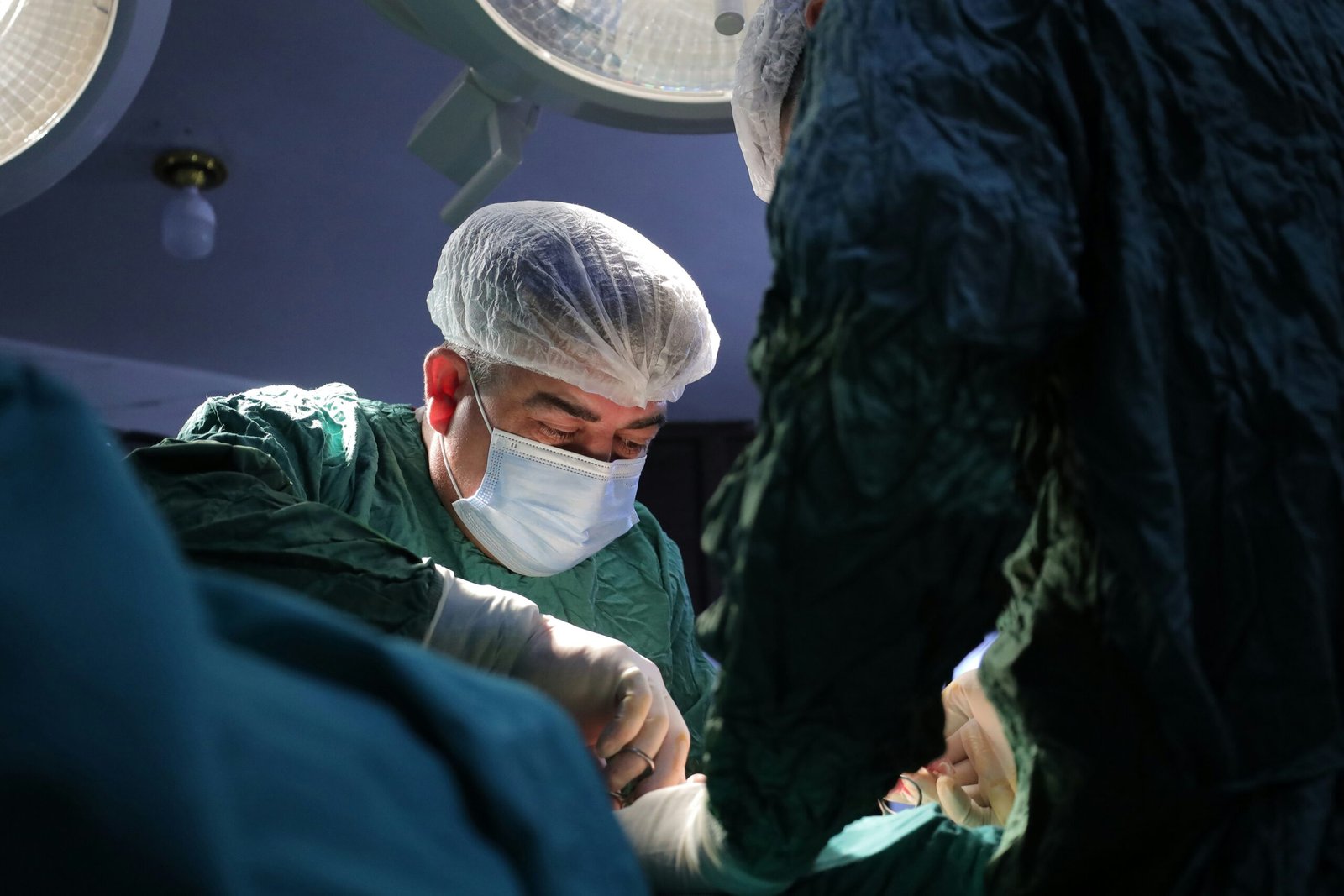
As a knee orthopedic surgeon, I witness the daily dance between bone, cartilage, and ligament, a complex biomechanical ballet that, when disrupted, can bring a person to a standstill. My days are filled with consultations, imaging reviews, and, of course, the operating room, where I strive to restore function and alleviate pain for those whose knees have become reluctant partners. This isn’t about magic; it’s about precise science, careful consideration, and a deep understanding of the intricate machinery that allows us to walk, run, jump, and simply stand. The field is constantly evolving, a testament to human ingenuity in overcoming physical limitations.
Before delving into the specifics of my practice, it’s crucial to appreciate the complexity of the knee joint itself. It’s more than just a hinge; it’s a dynamic structure where four bones meet – the femur (thigh bone), tibia (shin bone), fibula (smaller bone in the lower leg), and patella (kneecap). These bones are covered by smooth articular cartilage, a vital shock absorber that, regrettably, doesn’t regenerate once significantly damaged. Ligaments, like strong ropes, provide stability: the anterior and posterior cruciate ligaments (ACL and PCL) control forward and backward motion, while the medial and lateral collateral ligaments (MCL and LCL) prevent sideways instability. Menisci, C-shaped pieces of cartilage, act as further cushions and stabilizers between the femur and tibia. This intricate interplay of structures is what allows for a range of motion while bearing significant weight.
The Articular Cartilage: A Delicate Cushion
The articular cartilage is a marvel of biological engineering, designed for resilience and smooth gliding. However, its limited blood supply means that once worn down or damaged, it is notoriously difficult to repair. Think of it like the tread on a tire; once it’s gone, the underlying rubber is exposed and the tire’s performance is severely compromised. This degeneration is a primary driver for many of the conditions I treat.
The Ligamentous Stabilizers: The Knee’s Safety Nets
The ACL and PCL are critical for dynamic stability, especially during rotational movements and sudden stops. Tears in these ligaments, often sustained during sports or accidents, can lead to instability and a feeling of the knee “giving way.” The collateral ligaments, similarly, are essential for side-to-side stability, and their injury can result in a wobbly, unreliable knee.
The Menisci: Integral Shock Absorbers
The menisci absorb shock and distribute forces across the knee joint. Tears can occur from acute injury or chronic wear and tear, leading to pain, swelling, and mechanical symptoms like locking or catching. Their role in load distribution is so significant that even partial meniscectomy can increase the long-term risk of osteoarthritis.
For those seeking insights into the expertise of knee orthopedic surgeons, a related article can be found at Orthopedic King, which highlights the qualifications and experience of their professional staff. This resource provides valuable information about the specialized training and skills that knee surgeons possess, ensuring that patients receive the highest standard of care for their orthopedic needs.
Common Conditions I Address: Diagnosing the Disruptions
My daily practice involves diagnosing and managing a wide spectrum of knee conditions. These range from acute injuries to chronic degenerative diseases. The diagnostic process typically involves a thorough patient history, a comprehensive physical examination, and often imaging studies such as X-rays, MRI, and sometimes CT scans. Understanding the precise nature and extent of the problem is the first step towards crafting an effective treatment plan.
Osteoarthritis: The Wear and Tear of Time
Osteoarthritis, or “bone and joint inflammation,” is perhaps the most prevalent condition I encounter. It’s a degenerative process where the articular cartilage gradually wears away, leading to bone-on-bone friction, pain, stiffness, and reduced mobility. While aging is a significant factor, other contributors include genetics, previous injuries, obesity, and certain occupational or athletic activities. The goal here is often to manage symptoms, slow progression, and, in severe cases, restore function through surgical intervention.
Meniscus Tears: When the Shock Absorber Fails
Meniscus tears can occur in various ways, from acute traumatic tears in younger, active individuals to degenerative tears in older adults. Symptoms can include pain, swelling, clicking, popping, or a sensation of catching. The treatment approach depends on the type, location, and size of the tear, as well as the patient’s age and activity level. Minimal intervention techniques are often favored to preserve as much meniscal tissue as possible.
Ligament Injuries: The Knee’s Structural Integrity Compromised
Ligament injuries, particularly ACL tears, are common in sports involving pivoting and sudden directional changes. The classic mechanism involves a non-contact injury, often with a “pop” followed by immediate swelling and instability. Reconstruction surgery for the ACL is a cornerstone of modern knee orthopedics, aiming to restore the knee’s stability and allow athletes to return to their desired level of activity.
Anterior Cruciate Ligament (ACL) Reconstruction
ACL reconstruction is a procedure where the torn ligament is replaced with a graft, either from the patient’s own body (autograft) or from a donor (allograft). The choice of graft is a critical decision, influencing recovery time and potential risks. Advances in surgical techniques and rehabilitation protocols have significantly improved outcomes, allowing athletes over 50, for instance, to pursue and successfully achieve ACL reconstruction, a remarkable turnaround from previous perspectives.
Patellofemoral Pain Syndrome: The Kneecap’s Misalignment
This condition involves pain around or behind the kneecap, often exacerbated by activities like squatting, climbing stairs, or prolonged sitting. It’s frequently associated with maltracking of the patella within the femoral groove. Treatment often begins with conservative measures like physical therapy, but persistent or severe cases may warrant surgical correction.
Fractures Around the Knee: Acute Trauma Management
Fractures involving the distal femur, proximal tibia, or patella require prompt surgical attention to restore alignment and allow for healing. These are typically the result of significant trauma and demand a careful, staged approach to surgical management.
My Surgical Toolkit: Restoring Motion and Stability

The operating room is where the theoretical knowledge translates into tangible solutions. My approach to surgery is guided by the principle of least invasive intervention that yields the best functional outcome. This means carefully selecting the appropriate surgical technique, whether it’s arthroscopy for minor repairs or total knee arthroplasty for advanced degeneration.
Arthroscopy: The Minimally Invasive Approach
Knee arthroscopy is a powerful diagnostic and therapeutic tool that allows me to visualize the inside of the knee joint using a small camera. Through tiny incisions, I can perform a range of procedures, from trimming torn meniscus fragments to repairing damaged ligaments or removing inflamed tissue. The advantages of arthroscopy include smaller scars, less pain, and quicker recovery compared to traditional open surgery.
Total Knee Arthroplasty (TKA): The Replacement Option
When conservative treatments fail and osteoarthritis has severely impacted a patient’s quality of life, total knee arthroplasty becomes a viable option. This procedure involves replacing the damaged surfaces of the femur, tibia, and sometimes the patella with artificial components. The goal is to relieve pain and restore function, allowing individuals to regain their independence and engage in activities they once enjoyed. Advances in implant design and surgical techniques, such as innovations in systems like the Stryker Triathlon Gold knee, continue to improve the longevity and performance of these implants.
Advancements in Total Knee Arthroplasty
The field of TKA is continually advancing. For example, at the AAOS 2026 meeting, presentations highlighted the potential of using IO vancomycin to reduce the risk of kidney injury associated with TKA, a significant consideration for patient safety. This demonstrates a commitment to not just replacing joints, but doing so with an eye toward overall patient well-being.
Partial Knee Replacement: A More Targeted Solution
In select cases of osteoarthritis affecting only a specific compartment of the knee, a partial knee replacement (unicompartmental knee arthroplasty) can be an excellent alternative to a full TKA. This procedure replaces only the damaged portion of the joint, preserving healthy bone and ligaments, and often leads to a quicker recovery and a more natural feeling knee. The recent FDA approval and successful implantation of the MISHA Knee System for medial knee osteoarthritis in Florida exemplifies this trend towards more targeted, joint-preserving solutions that can potentially delay or even avoid a total knee replacement for suitable candidates.
The Evolution of Orthopedic Procedures: Embracing Modern Techniques

The landscape of orthopedic surgery, particularly for knee procedures, is undergoing a significant transformation. We are seeing a dramatic shift towards outpatient settings, driven by technological advancements, improved anesthetic techniques, and a greater emphasis on cost-effectiveness. This trend is not just a minor adjustment; it represents a fundamental change in how we deliver care.
The Surge in Outpatient Knee and Hip Procedures
The statistics are striking: outpatient knee and hip procedures have surged by an astonishing 33 times over inpatient procedures. This represents a massive migration of surgical care from hospitals to ambulatory surgical centers. This shift is propelled by the desire for greater patient convenience, reduced exposure to hospital-acquired infections, and lower overall healthcare costs. For patients, this often means returning home the same day or the next, beginning their recovery in the familiar comfort of their own environment.
Physician-Led Models and Surgeon Autonomy
A concurrent trend is the rise of physician-led models in healthcare delivery. These models aim to give surgeons more control over the care pathway, from pre-operative planning to post-operative rehabilitation. This increased autonomy allows for more personalized treatment plans and a greater focus on evidence-based medicine, rather than being dictated by administrative directives or payer restrictions. It’s about putting the expertise of the surgeon at the forefront of patient care.
Navigating Reimbursement Challenges and Automation
However, this evolving landscape isn’t without its challenges. Cuts in Medicare reimbursements and complex prior authorization requirements from insurance companies are creating significant financial pressures for surgical practices. In response, many are investing in automation and streamlined workflows to manage administrative tasks efficiently and maintain their focus on patient care. This is also one of the reasons why timely consultations are so important. It’s not uncommon for patients to aim for early in the year consultations to reset deductibles and take advantage of modern outpatient techniques for pre-summer recovery, a practical consideration in today’s healthcare environment.
If you are considering knee surgery, understanding the role of a knee orthopedic surgeon can be crucial for your recovery and overall health. A recent article discusses the latest advancements in knee surgery techniques and how they can lead to improved patient outcomes. For more detailed insights, you can read the article here: latest advancements in knee surgery. This information can help you make informed decisions about your treatment options and what to expect during the recovery process.
The Rehabilitation Journey: Crucial for Long-Term Success
| Metric | Value | Notes |
|---|---|---|
| Average Years of Experience | 10-15 years | Varies by surgeon and region |
| Common Procedures | Arthroscopic knee surgery, ACL reconstruction, knee replacement | Includes minimally invasive and total knee arthroplasty |
| Success Rate | 85-95% | Depends on procedure and patient health |
| Average Surgery Duration | 1-3 hours | Varies by procedure complexity |
| Post-Surgery Recovery Time | 6 weeks to 6 months | Depends on surgery type and rehabilitation |
| Patient Satisfaction Rate | 90% | Based on surveys and follow-up studies |
| Annual Number of Knee Surgeries Performed | 200-500 | Per experienced orthopedic surgeon |
My role doesn’t end the moment the last stitch is placed. The journey of recovery and rehabilitation is as critical as the surgery itself. It’s during this phase that the repaired or replaced tissues begin to strengthen and adapt, and the patient regains their functional capabilities. This requires a collaborative effort between the patient, the surgical team, and dedicated physical therapists.
The Pillars of Post-Surgical Rehabilitation
Post-operative rehabilitation typically begins with gentle range-of-motion exercises to prevent stiffness, followed by strengthening exercises to rebuild muscle support around the knee. Balance and proprioception training are also vital to restore confidence and prevent future injuries, especially in cases of ligament reconstruction. Patients are educated on how to progress their activities safely and gradually.
The Importance of Patient Adherence
The success of any surgical intervention hinges significantly on the patient’s commitment to their rehabilitation program. When patients diligently follow their prescribed exercises and guidelines, they are far more likely to achieve optimal outcomes, reduce their risk of complications, and ultimately return to the activities they cherish. It’s about empowering the patient to be an active participant in their own healing.
Long-Term Outlook and Lifestyle Modifications
Beyond the initial recovery period, maintaining a healthy lifestyle is paramount for long-term knee health. This includes managing weight to reduce stress on the joints, engaging in regular, low-impact exercise, and avoiding activities that put excessive strain on the knee. For those who have undergone joint replacement, understanding the lifespan of implants and adhering to follow-up schedules are also important components of long-term care. The goal is not just to fix a problem, but to enable a sustained, active, and pain-free life. My ambition as a knee orthopedic surgeon is to equip you with not just a repaired joint, but the knowledge and tools to keep it functioning optimally for as long as possible.
FAQs
What conditions does a knee orthopedic surgeon treat?
A knee orthopedic surgeon specializes in diagnosing and treating conditions related to the knee joint, including ligament injuries, meniscus tears, arthritis, fractures, and cartilage damage.
When should I see a knee orthopedic surgeon?
You should consult a knee orthopedic surgeon if you experience persistent knee pain, swelling, instability, limited range of motion, or if you have sustained a knee injury that does not improve with initial treatment.
What types of treatments do knee orthopedic surgeons provide?
Knee orthopedic surgeons offer both non-surgical and surgical treatments, such as physical therapy, medication, injections, arthroscopic surgery, ligament reconstruction, and knee replacement surgery.
How is a knee injury diagnosed by an orthopedic surgeon?
Diagnosis typically involves a physical examination, patient history, and imaging tests such as X-rays, MRI, or CT scans to assess the extent and nature of the knee injury.
What is the recovery process after knee surgery?
Recovery varies depending on the procedure but generally includes rest, physical therapy, gradual return to activity, and follow-up appointments to monitor healing and restore knee function.
