
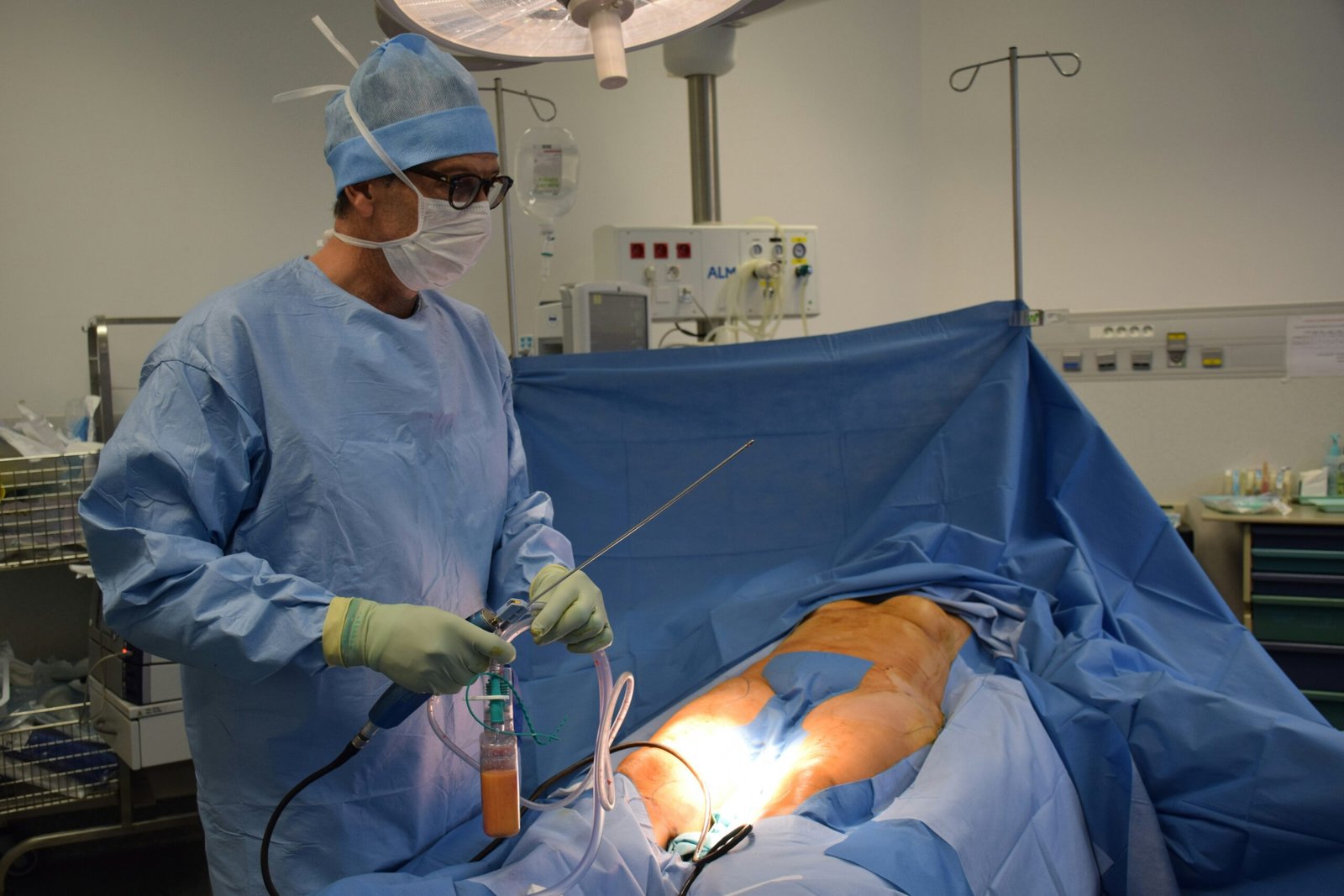
As I embark on this exploration of total knee replacement surgery, my objective is to provide you, the discerning reader, with a comprehensive and factual overview, stripped of hyperbole and grounded in the latest advancements. I aim to illuminate the intricacies of this widely performed procedure, detailing its evolution, current state, and the emerging trends that are shaping its future. Think of this as a journey through the mechanics of healing, a repair of the human frame that brings renewed movement and purpose.
Total knee replacement, or total knee arthroplasty (TKA), is a surgical procedure wherein damaged bone and cartilage in the knee joint are resurfaced with prosthetic components. My understanding of its core purpose is quite straightforward: to alleviate chronic knee pain and disability often caused by severe arthritis, most commonly osteoarthritis. Degenerative changes, post-traumatic arthritis, or inflammatory conditions like rheumatoid arthritis can erode the smooth articular cartilage, transforming a once fluid joint into a grinding, painful mechanism.
Indications for TKA
I approach the indications for TKA with a systematic mindset. The decision to undergo this surgery is a significant one, typically reserved for individuals for whom non-surgical interventions have proven ineffective.
- Persistent Pain: This is often the primary driver. If you, the patient, experience severe, chronic knee pain that significantly limits your daily activities—walking, climbing stairs, sleeping—despite medication, injections, and physical therapy, I consider TKA.
- Functional Limitation: Beyond pain, I observe the degree of functional impairment. Are you struggling with basic mobility? Is your ability to participate in hobbies or work compromised? These are crucial considerations.
- Radiographic Evidence: X-rays and other imaging studies provide me with visual confirmation of significant joint damage, such as bone-on-bone articulation, severe cartilage loss, or bone deformities. This physical evidence, alongside your symptoms, forms the diagnostic bedrock.
- Failed Conservative Management: I always emphasize a trial of conservative treatments before considering surgery. This typically includes physical therapy, anti-inflammatory medications, corticosteroid injections, and activity modification. When these avenues lead to a dead end, TKA emerges as a viable path forward.
Components of a Knee Prosthesis
When I consider the prosthetic components, I see them as sophisticated engineering marvels designed to mimic the natural knee. Each component plays a vital role in restoring the joint’s function.
- Femoral Component: This is typically made of a polished metal alloy, often cobalt-chromium, and resurfaces the end of the thigh bone (femur). It’s designed to articulate smoothly with the tibial component. In the realm of innovation, I am particularly attentive to developments like Stryker’s Triathlon Gold, an advanced femoral component lauded for its superior micromotion control, a crucial factor in the prosthesis’s longevity and stability. This, I gather, was a significant unveiling at AAOS 2026.
- Tibial Component: This piece resurfaces the top of the shin bone (tibia). It consists of a metal tray that is fixed to the tibia, with a polyethylene (medical-grade plastic) insert placed on top of it. This insert acts as the new cartilage, providing a smooth bearing surface. The polyethylene insert can be fixed or mobile, depending on the specific design. I also note the introduction of enhancements like the Triathlon Medial Stabilized (MS) Insert, designed to contribute to enhanced stability and natural kinematics, especially when paired with robotic assistance.
- Patellar Component (Optional): In some cases, the kneecap (patella) may also be resurfaced. This component is typically a dome-shaped piece of polyethylene that is cemented to the back of the patella. The decision to resurface the patella is made by the surgeon, considering the extent of damage and expected outcomes.
Total replacement knee surgery is a significant procedure that can greatly improve the quality of life for individuals suffering from severe knee pain and mobility issues. For those interested in learning more about this surgery, including the benefits, risks, and recovery process, a related article can be found at Orthoking’s Knee Replacement Surgery in Thane. This resource provides valuable insights and information for patients considering this important surgical option.
The Evolution of Surgical Technique: From Conventional to Robotic Precision
My observation of total knee replacement surgery reveals a continuous trajectory of refinement and innovation. The journey from traditional open surgery to the current era of robotic assistance represents a paradigm shift, akin to moving from a hand-drawn map to a GPS-guided system.
Conventional Total Knee Arthroplasty
Historically, I understand that conventional TKA involved a more “manual” approach. The surgeon, guided by anatomical landmarks and intraoperative measurements, would use specialized instruments to remove damaged bone and position the implants. This method, while effective, relied heavily on the surgeon’s experience and dexterity.
- Manual Instrumentation: I see this as a skilled craft, where the surgeon employs cutting guides and alignment rods to achieve optimal implant placement. The success of the procedure, in my view, was intrinsically linked to the surgeon’s anatomical understanding and tactile feedback.
- Post-operative Recovery: I recall that recoveries from conventional TKA often involved longer hospital stays and a more gradual return to full activity. While effective, the scope for individual variability in outcomes was perhaps greater.
The Rise of Robotic-Assisted Knee Replacements
The advent of robotic-assisted knee replacements marks a significant leap forward, a testament to the synergy between human skill and technological precision. I view these systems not as replacements for the surgeon, but as highly sophisticated co-pilots, extending the surgeon’s capabilities.
- Unprecedented Precision: My understanding is that robotic systems, such as Mako SmartRobotics, allow for unparalleled accuracy in bone preparation and implant positioning. The robot’s pre-operative planning software creates a detailed 3D model of your unique anatomy, enabling the surgeon to plan the optimal implant placement with meticulous detail. During surgery, the robotic arm provides real-time feedback and enforces the pre-planned boundaries, ensuring cuts are made with sub-millimeter accuracy. This precision, in my assessment, is pivotal in achieving optimal alignment and joint kinematics.
- Patient-Specific Implants and Tailored Approaches: I observe that robotic assistance facilitates a truly personalized approach. The detailed pre-operative planning allows for patient-specific component sizing and positioning, optimizing the fit and function for your unique knee. This tailored approach, I believe, contributes to a more natural-feeling knee post-surgery.
- Reduced Incisions and Tissue Disruption: While not exclusively tied to robotics, the trend towards minimally invasive techniques often complements robotic assistance. Smaller incisions and less tissue disruption can translate, in my experience, to reduced post-operative pain and a quicker healing process.
- Improved Anesthesia and Same-Day/One-Night Stays: A collateral benefit of these advancements, and something I’m keenly aware of, is the progress in anesthesia. Improved anesthetic techniques, combined with minimally invasive approaches and robotic precision, have made same-day or one-night stays increasingly feasible for suitable candidates. This significantly lessens the burden of hospitalization. I note that conventional candidates often qualify for these expedited pathways, underscoring the widespread applicability of these advancements.
Recovery and Post-Operative Care

My focus on the complete picture of TKA extends to the crucial period of recovery. The journey after surgery is as important as the surgery itself, a rehabilitative process designed to maximize the benefits of the new joint.
Immediate Post-Operative Period
I anticipate that your immediate post-operative period will prioritize pain management and early mobilization.
- Pain Management: I recognize that effective pain control is paramount. This can involve a multimodal approach, including regional nerve blocks, oral medications, and sometimes patient-controlled analgesia. The goal is to keep you comfortable enough to engage in early physical therapy.
- Early Mobilization: This is a cornerstone of modern TKA recovery. I encourage you to begin moving your knee and walking (with assistance) as soon as medically appropriate, often within hours of surgery. This helps to prevent complications like blood clots and promotes faster functional recovery.
- Physical Therapy Initiation: A physical therapist will guide you through initial exercises focused on restoring range of motion and strengthening the muscles around your knee. This early intervention, in my view, sets the stage for a successful recovery.
The Role of Wearables and Smart Implants
My observations reveal an exciting frontier in post-operative care: the integration of technology for continuous monitoring. This is like having a personal coach and data scientist rolled into one.
- Real-Time Recovery Monitoring: New data from wearables and smart implants is transforming the way I understand and manage post-operative recovery. These devices can track your activity levels, range of motion, gait patterns, and even detect early signs of complications. This real-time data provides invaluable insights into your progress, allowing for personalized adjustments to your rehabilitation plan.
- Enhanced Patient Engagement: I believe this technology empowers you, the patient, by providing transparent data about your own recovery journey. This can foster greater adherence to rehabilitation protocols and a more proactive approach to your health.
- Proactive Intervention: For the medical team, real-time data enables proactive intervention if any deviations from the expected recovery trajectory are observed. This proactive approach can potentially prevent complications and optimize long-term outcomes.
Global Landscape of TKA: Trends and Challenges

As I extend my perspective to a broader, global view, I observe distinct trends and persistent challenges within the realm of total knee replacement surgery. The economic and logistical currents significantly influence accessibility and innovation.
2026 Trends in Europe
I see Europe, particularly Eastern European nations, emerging as significant players in offering advanced TKA solutions, with a strong emphasis on efficiency and cost-effectiveness.
- Advanced Implants and Techniques: I note that European trends for 2026 highlight a strong focus on advanced implants, mirroring the innovations seen elsewhere. The adoption of minimally invasive and robotic techniques is also a prominent feature, driving improved patient outcomes.
- Faster Recovery and Cost Savings: A compelling aspect I observe is the emphasis on faster recovery pathways, often correlating with reduced hospital stays. Furthermore, I recognize that healthcare packages in Eastern European countries like Poland and Latvia offer significant cost savings, with prices ranging from €6,000 to €10,000. This economic advantage, coupled with high quality of care, is positioning these regions as attractive destinations for medical tourism.
- Reduced Risks like Infection: Improvements in surgical techniques, facility protocols, and post-operative monitoring are collectively contributing to a reduction in surgical risks, most notably the crucial concern of infection. This continuous improvement in safety is paramount in my assessment.
The Accelerating Outpatient Shift
My analysis indicates a significant shift towards outpatient knee replacements, a trend that is rapidly gaining momentum, particularly in countries with advanced healthcare infrastructure. This is akin to moving a once fortress-like procedure into a more agile, community-based setting.
- Minimally Invasive Technologies and Improved Anesthesia: As discussed, the synergy of minimally invasive surgical techniques and refined anesthetic protocols is a primary catalyst for this shift. I view these as fundamental enablers, reducing surgical trauma and enhancing post-operative comfort.
- Payer Pushes to Ambulatory Surgical Centers (ASCs): I observe a clear imperative from healthcare payers to transition suitable procedures from traditional hospital settings to Ambulatory Surgical Centers (ASCs). This move is driven by the potential for significant cost savings without compromising quality of care. Indeed, my projections, based on current trajectories, suggest that over half of all knee replacements are expected to be performed in an outpatient setting by 2026.
- The ASC Advantage: From my vantage point, ASCs offer several advantages: they are often more convenient for patients, have lower overhead costs, and can provide a more focused, specialized environment for elective surgeries. This streamlining of the surgical pathway is a key element of the outpatient model.
Total replacement knee surgery is a significant procedure that can greatly improve the quality of life for individuals suffering from severe knee pain and mobility issues. For those considering this surgery, it is essential to understand the various aspects of the procedure and what to expect during recovery. A related article that provides valuable insights into the benefits and considerations of knee replacement can be found at this link. This resource offers comprehensive information that can help patients make informed decisions about their treatment options.
Challenges and Future Outlook
| Metric | Value | Unit | Notes |
|---|---|---|---|
| Annual Procedures (US) | 700,000 | surgeries | Estimated number of total knee replacements performed annually |
| Average Hospital Stay | 2-3 | days | Typical length of stay post-surgery |
| Success Rate | 90-95 | % | Percentage of patients with significant pain relief and improved function |
| Revision Rate (10 years) | 5-10 | % | Percentage of surgeries requiring revision within 10 years |
| Average Age of Patients | 65-75 | years | Most common age range for total knee replacement |
| Recovery Time to Normal Activities | 3-6 | months | Time to resume most daily activities |
| Common Indications | Osteoarthritis, Rheumatoid arthritis | N/A | Primary conditions leading to surgery |
Despite the exciting advancements, I acknowledge that the landscape of total knee replacement surgery is not without its hurdles. These challenges, while significant, also serve as powerful motivators for future innovation and policy adjustments.
Reimbursement Cuts and Financial Strain
I perceive significant financial pressures being placed upon healthcare providers, which inevitably impact patient access and the sustainability of practices.
- CMS Reimbursement Cuts: I note with concern the ongoing trend of reimbursement cuts, exemplified by the 2.83% reduction to the conversion factor by the Centers for Medicare & Medicaid Services (CMS). Such cuts, in my analysis, can significantly strain the financial viability of orthopedic practices, particularly those serving a high volume of Medicare beneficiaries.
- Rising Costs of Technology and Implants: While advanced technologies and implants bring immense benefits, I recognize that they also come with a higher price tag. The tension between the cost of innovation and shrinking reimbursement remains a critical challenge.
- Impact on Access to Care: Ultimately, I fear that sustained financial pressures could lead to a reduction in services offered, or even practice closures, thereby delaying or limiting patient access to much-needed care, despite the technological gains.
Prior Authorizations and Administrative Burdens
The increasing administrative complexity associated with healthcare provision is another significant challenge I identify.
- Bureaucratic Bottlenecks: Prior authorizations, while intended to manage healthcare costs, often create bureaucratic bottlenecks. I observe that these processes can delay crucial care for patients and impose substantial administrative burdens on medical practices, diverting resources that could otherwise be used for patient care.
- Impact on Patient Care Timelines: The time-consuming nature of obtaining prior authorizations can lead to delays in scheduling surgery, extending the period of pain and disability for patients awaiting TKA. This, in my assessment, runs counter to the goal of efficient and timely care.
In conclusion, my journey through the world of total knee replacement surgery reveals a dynamic and rapidly evolving field. From the unprecedented precision of robotic assistance and patient-specific implants to the accelerating shift towards outpatient care and the real-time insights offered by smart technology, the future of TKA looks remarkably promising. However, I remain cognizant of the significant financial and administrative challenges that must be addressed to ensure these transformative advancements are accessible to all who need them. My hope is that, you the reader, now possess a clearer and more nuanced understanding of this vital surgical procedure.
FAQs
What is total replacement knee surgery?
Total replacement knee surgery, also known as total knee arthroplasty, is a surgical procedure in which a damaged or diseased knee joint is replaced with artificial components to restore function and relieve pain.
Who is a candidate for total replacement knee surgery?
Candidates typically include individuals with severe knee pain or disability due to arthritis, injury, or other joint conditions that have not responded to conservative treatments like medication, physical therapy, or injections.
What does the total replacement knee surgery procedure involve?
The procedure involves removing the damaged cartilage and bone from the surface of the knee joint and replacing them with metal and plastic components designed to mimic the natural movement of the knee.
What is the typical recovery time after total replacement knee surgery?
Recovery time varies but generally includes several weeks of physical therapy and gradual return to normal activities. Most patients can resume daily activities within 6 to 12 weeks, with full recovery potentially taking up to 6 months.
What are the risks and potential complications of total replacement knee surgery?
Risks include infection, blood clots, implant loosening or failure, nerve or blood vessel damage, and persistent pain or stiffness. However, serious complications are relatively rare with proper surgical technique and postoperative care.
