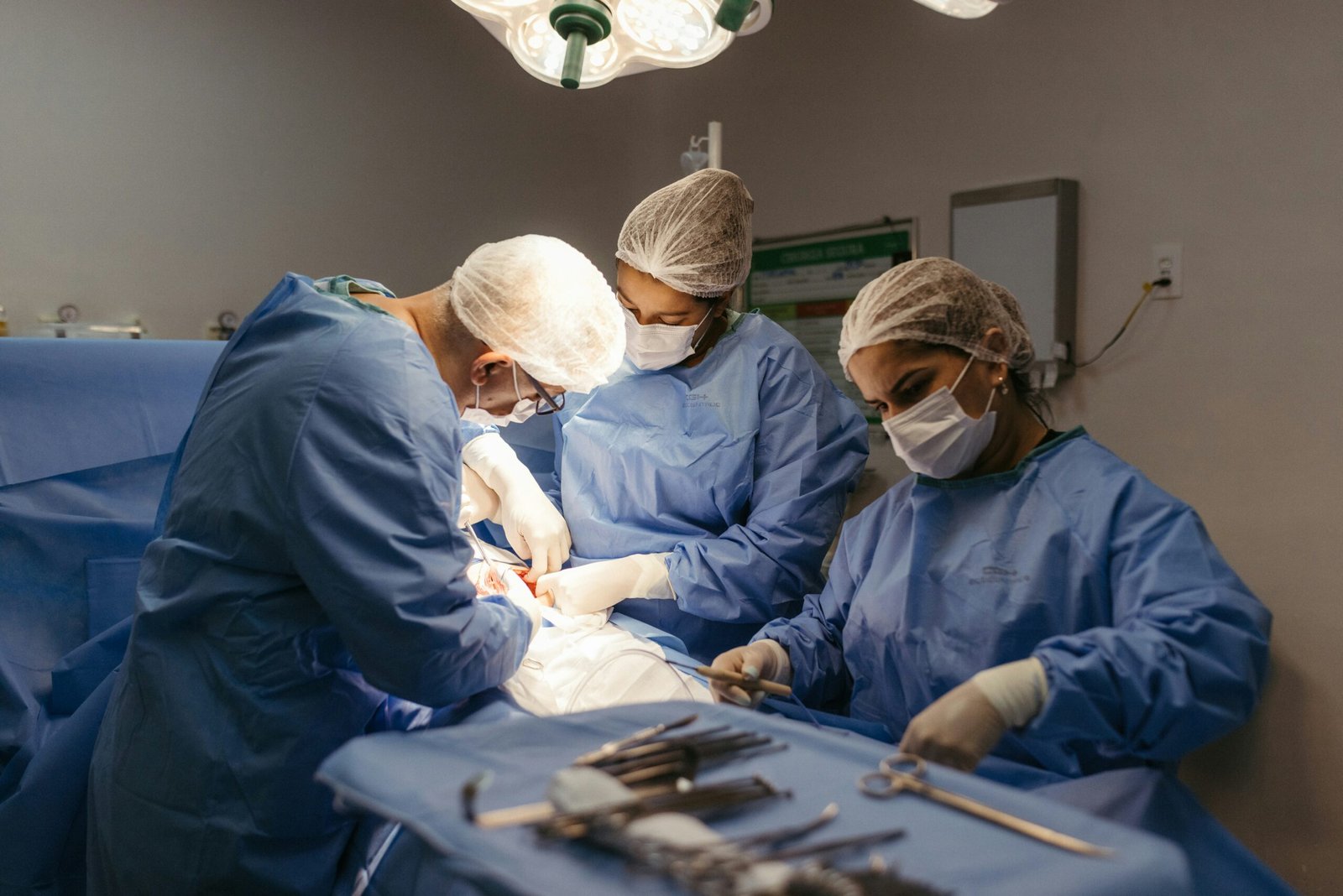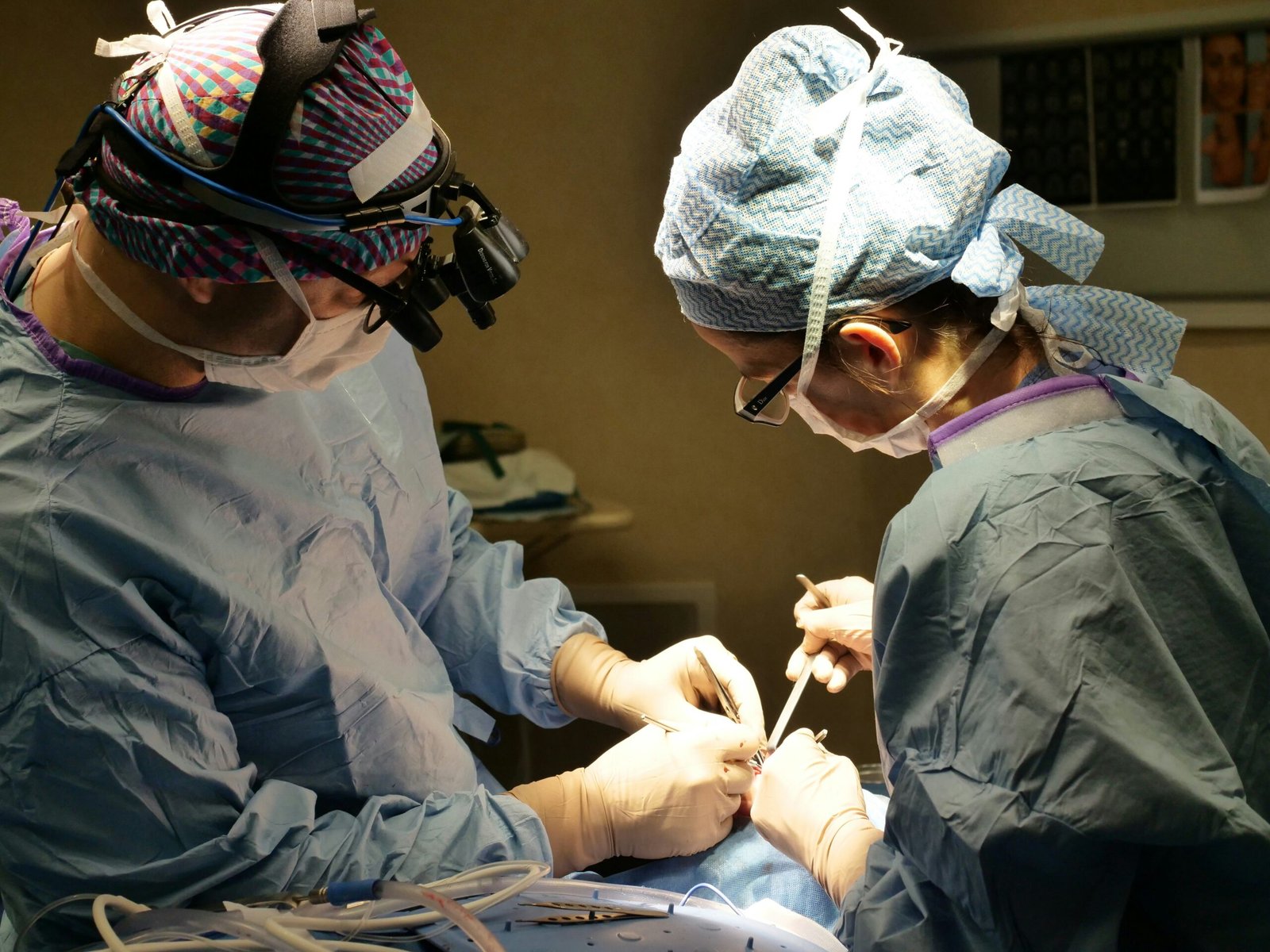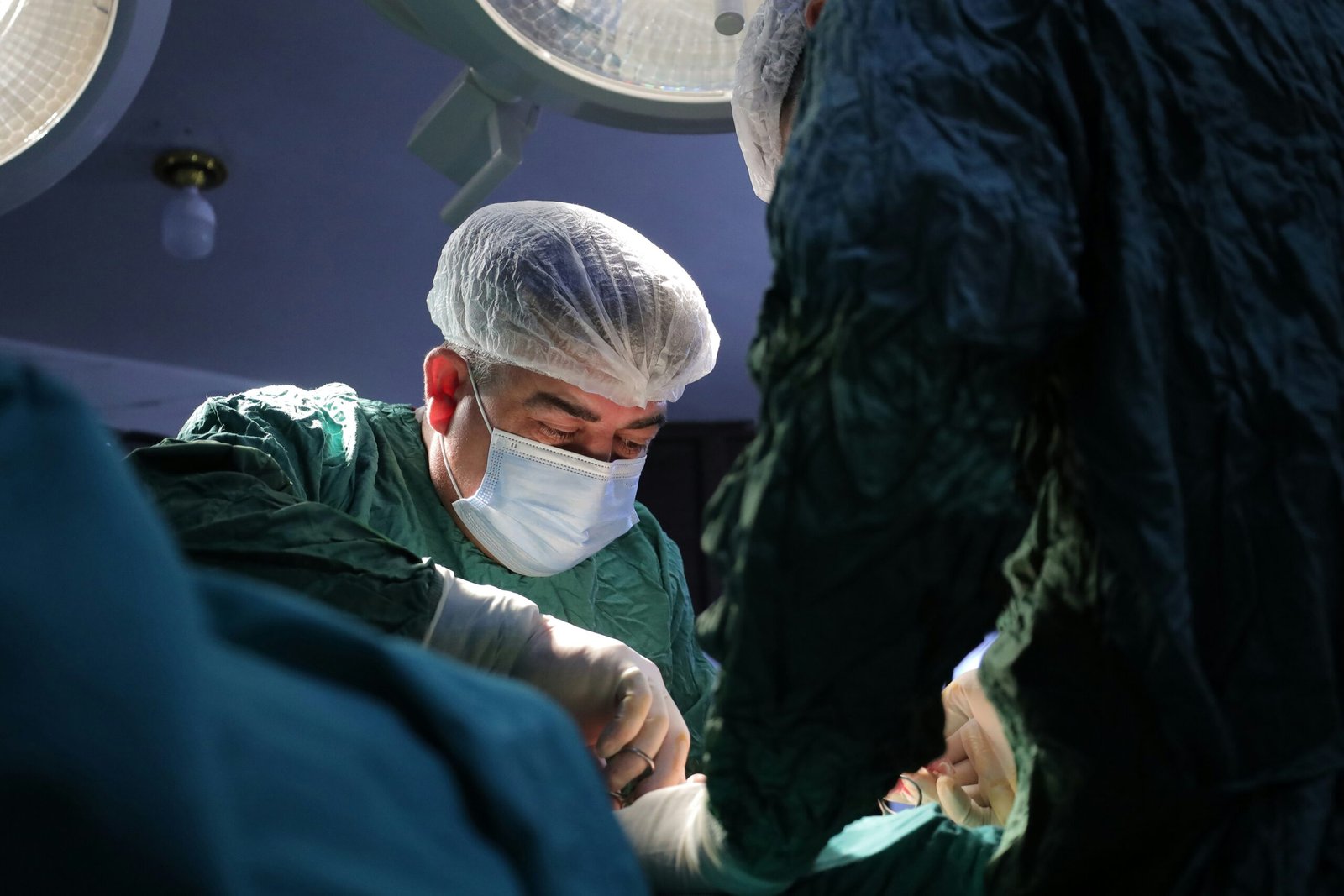

The landscape of orthopedic surgery is undergoing a significant transformation, and at the forefront of this revolution stands Mako Robotic. As a surgeon who has witnessed and participated in this evolution, I can attest to the profound impact this technology has had on patient care, surgical outcomes, and the very practice of medicine. This article delves into the multifaceted nature of Mako Robotic, exploring its development, functionalities, and the implications it holds for the future of joint replacement and other orthopedic procedures.
Mako Robotic is not merely a tool; it is a sophisticated ecosystem designed to enhance surgeon precision and patient experience. Developed by Stryker, a global leader in medical technology, Mako represents a paradigm shift from manual instrumentation to a guided, robotic-assisted approach in orthopedic surgery. My initial encounters with early iterations of robotic surgery were met with a degree of skepticism, akin to approaching a new, complex instrument for the first time. However, Mako’s evolution has steadily chipped away at any apprehension, replacing it with a sense of informed confidence.
The Genesis of Robotic Assistance
The pursuit of greater precision in surgery is a timeless endeavor. For decades, surgeons have relied on their skill, experience, and an array of instruments to achieve optimal outcomes. However, the inherent variability in human anatomy and the limitations of 2D imaging presented inherent challenges. The concept of robotic assistance emerged as a logical progression, offering the potential to overcome these limitations by providing enhanced visualization, pre-operative planning, and intra-operative guidance. Mako’s development is rooted in this history, striving to bridge the gap between theoretical precision and practical application.
Core Components of the Mako Platform
The Mako system, in its various configurations, is comprised of several key components that work in concert to deliver its capabilities. At its heart lies the robotic arm, a marvel of engineering designed for precise articulation and controlled movement. This arm is not an autonomous entity but rather an extension of the surgeon’s intent, guided by intricate software and advanced imaging.
The Robotic Arm: A Surgeon’s Precision Extension
The robotic arm itself is meticulously engineered to move along defined paths with sub-millimeter accuracy. It is not designed to perform surgery independently but rather to execute the surgeon’s meticulously planned movements. I perceive it as a highly refined scalpel, capable of making incisions and resections with a level of consistency that is difficult to achieve through manual means alone. The feeling of wielding this controlled power is distinct, offering a tangible sense of enhanced capability.
Intraoperative Planning and Navigation
A cornerstone of the Mako system is its sophisticated intraoperative planning and navigation capabilities. This process begins long before the patient enters the operating room.
Pre-operative Imaging and 3D Modeling
The journey with Mako starts with high-resolution imaging of the patient’s joint. Typically, this involves computed tomography (CT) scans, which are then rendered into detailed, three-dimensional (3D) models. This is akin to having a highly detailed blueprint of the surgical site, allowing me to meticulously plan every aspect of the procedure. I can visualize the bone structure, assess alignment, and identify any anatomical variations that might influence the surgery.
Blueprint® Software: Crafting the Surgical Blueprint
Stryker’s Blueprint® software is the engine behind this pre-operative planning. It allows surgeons to virtually experiment with different implant positions, sizes, and orientations, optimizing the fit and function before making any incisions. This digital sandbox is invaluable. It’s like rehearsing a complex musical piece repeatedly until every note is perfectly placed, ensuring a harmonious outcome in the operating room. The ability to save and compare multiple plans provides a comprehensive understanding of the potential surgical pathways.
Active Adjustment Saw Technology
A significant advancement introduced with systems like the Mako RPS is the active adjustment saw technology. This feature allows for real-time adjustments to the cutting guides based on the pre-operative plan and intra-operative feedback.
Precise Bone Resection
This technology is a game-changer for bone preparation. Instead of relying solely on manual saw guides, the robotic arm, guided by the software, dictates the precise angle and depth of the bone cuts. I have found this to be particularly crucial in achieving optimal implant placement and ensuring proper joint kinematics. It’s like having a master craftsman’s jig, ensuring every cut is perfect, every time.
Mako robotic technology has been revolutionizing the field of orthopedic surgery, particularly in joint replacement procedures. For those interested in understanding more about the implications of robotic assistance in healthcare, a related article can be found at this link: Orthopedic Health Records FAQ. This article provides insights into how advanced technologies, including robotics, are shaping patient care and improving surgical outcomes.
Mako Robotic in Action: Specific Applications
While Mako Robotic has applications across various orthopedic disciplines, its most established presence is in total joint replacement surgeries, particularly for the hip and knee.
Total Knee Arthroplasty: Revolutionizing Knee Replacements
Total knee arthroplasty (TKA) is a procedure aimed at alleviating pain and restoring function in knees affected by osteoarthritis or other degenerative conditions. Mako has brought about significant improvements in the precision and reproducibility of this complex procedure.
Improving Implant Alignment and Fit
One of the primary challenges in TKA is achieving optimal alignment of the prosthetic components. Misalignment can lead to pain, instability, and premature loosening of the implant. Mako’s robotic guidance allows for highly accurate bone resections, ensuring that the implants are positioned precisely according to the pre-operative plan. This leads to a more natural feel for the patient and potentially longer-lasting results. I often describe it as fitting a custom-made suit versus an off-the-rack one; the difference in comfort and performance is significant.
Soft Tissue Balancing for Enhanced Stability
Beyond bone cuts, Mako’s advanced algorithms contribute to superior soft tissue balancing. This refers to the precise tensioning of the ligaments around the knee, which is critical for stability and range of motion. New algorithms have been developed to dynamically assess and guide adjustments to achieve optimal soft tissue balance, leading to a more stable and functional knee. This is a delicate art, and Mako provides a level of objective guidance that complements my subjective assessment.
Total Hip Arthroplasty: Precision in the Hip Joint
Similar to knee replacements, Mako Robotic has also proven highly effective in total hip arthroplasty (THA). The precision offered by the robotic system can lead to improved implant positioning and restoration of the patient’s natural hip biomechanics.
Restoring Hip Biomechanics
Correctly positioning the acetabular cup and femoral stem is paramount in THA. Errors in angulation or version can lead to dislocation or impingement. The Mako system’s ability to accurately guide these components helps in restoring the patient’s original leg length and center of rotation, contributing to a more natural gait and reduced risk of complications. It’s about rebuilding the hip not just with implants, but with the intricate biomechanical relationships that define its function.
The Mako Robotic Power System (RPS) and Other Innovations
The continuous innovation within the Mako platform is a testament to Stryker’s commitment to advancing orthopedic care. The recent announcement of the Mako RPS for Total Knee is a prime example of this forward momentum.
Mako RPS: A Handheld Approach to Precision
The Mako RPS represents a significant step forward, offering a handheld robotic system designed for greater intraoperative flexibility. This system integrates advanced features like intraoperative planning and active saw technology, specifically for total knee procedures.
Intraoperative Planning on the Go
The ability to perform intraoperative planning with the Mako RPS provides a dynamic layer of customization. While pre-operative planning remains crucial, having the capacity to refine the surgical approach based on intra-operative findings is incredibly valuable. It’s like being able to adjust the sails of a ship mid-voyage based on a change in wind.
Active Adjustment Saw Technology in RPS
The inclusion of active adjustment saw technology in the RPS further enhances its precision. This means that the cutting guides, driven by the robotic system, can adjust in real-time, ensuring the bone resections align perfectly with the surgeon’s plan. This level of precise control in a handheld system offers surgeons a new level of confidence in their bone preparation.
Mako Shoulder: Expanding Robotic Reach
The expansion of Mako’s capabilities into shoulder arthroplasty, with the Mako Shoulder system, signifies the technology’s adaptability to different anatomical regions and surgical challenges.
Integration with Tornier Perform Reversed Implants
The integration of Mako Shoulder with Tornier Perform Reversed implants is a strategic move, aligning advanced robotic technology with established implant designs. This synergy aims to optimize the outcomes for reverse shoulder arthroplasty patients.
Blueprint Planning for Shoulder Anatomy
The application of Blueprint planning software to shoulder anatomy presents a novel approach to pre-operative planning for this complex joint. Tailoring the planning software to the unique intricacies of the shoulder allows for precise component placement and optimal implant selection.
Enhancements and Future Directions
The evolution of Mako Robotic is not static. Stryker is continually investing in research and development to further refine the platform and expand its applications. The recent platform updates highlight this ongoing commitment to innovation.
Enhanced Haptic Technology: Feeling the Surgical Field
Haptic technology, which provides tactile feedback to the surgeon, is being integrated more deeply into robotic systems like Mako. This allows surgeons to “feel” the surgical field through the robotic arm, providing a more intuitive and nuanced experience. Imagine a painter using a brush that not only moves the paint but also subtly communicates the texture of the canvas. Haptic feedback offers a similar level of sensory information, enhancing a surgeon’s perception and control.
Advanced 3D Modeling and Visualization
The sophistication of 3D modeling and visualization tools continues to improve. Higher resolution imaging and more advanced rendering techniques allow for even more detailed and accurate pre-operative planning. This provides an unprecedented level of anatomical understanding before the first incision is made.
Soft Tissue Balancing Algorithms: A Deeper Understanding
The development of more advanced soft tissue balancing algorithms is a crucial area of progress. These algorithms are designed to analyze the complex interplay of muscles and ligaments around a joint, guiding the surgeon in achieving optimal tension for stability and range of motion. This move towards more data-driven approaches in a traditionally subjective aspect of surgery is a testament to the power of computational analysis.
Integration with Hospital Systems and Augmented Reality
The future of Mako Robotic also involves deeper integration with hospital information systems and the burgeoning field of augmented reality (AR).
Seamless Workflow Integration
Integrating Mako with electronic health records (EHRs) and other hospital systems can streamline the surgical workflow, improve data management, and facilitate better communication among the surgical team. This is akin to ensuring all the different departments within a well-oiled machine communicate seamlessly to achieve a common goal.
Augmented Reality for Enhanced Surgical Guidance
Augmented reality offers the potential to overlay digital information, such as pre-operative plans or real-time imaging data, onto the surgeon’s view of the patient. This can provide an intuitive and immersive way to visualize critical anatomical structures and surgical targets, further enhancing precision. I envision AR as a sophisticated heads-up display for the surgeon, providing critical information without breaking focus from the patient.
Mako robotic technology has revolutionized the field of orthopedic surgery, providing enhanced precision and improved patient outcomes. For those interested in learning more about the advancements in orthopedic care, a related article can be found at Orthopedic Doctor Thane, which discusses the benefits of robotic-assisted procedures and how they are transforming traditional surgical methods. This innovative approach not only minimizes recovery time but also allows for a more personalized treatment plan tailored to each patient’s unique needs.
The Impact of Mako Robotic on Patient Outcomes
| Metric | Value | Description |
|---|---|---|
| Company Name | Mako Surgical Corp. | Developer of robotic-arm assisted surgery technology |
| Product | Mako Robotic-Arm Assisted Surgery System | Robotic platform for orthopedic procedures |
| Primary Use | Joint Replacement Surgery | Hip and knee replacement surgeries |
| Accuracy | Sub-millimeter precision | Improves implant positioning accuracy |
| Surgeon Control | Yes | Surgeon controls the robotic arm during surgery |
| FDA Clearance | Yes | Cleared for use in the United States |
| Number of Procedures Performed | Over 200,000 | As of recent reports |
| Benefits | Improved implant fit, less tissue damage, faster recovery | Clinical advantages reported |
The ultimate measure of any surgical technology is its impact on patient outcomes. Mako Robotic, through its ability to enhance precision and reproducibility, has demonstrated a positive influence on various aspects of patient recovery and long-term satisfaction.
Reduced Pain and Improved Function
Many patients who undergo Mako-assisted surgery report reduced post-operative pain and faster recovery times compared to traditional methods. This is often attributed to the precise implant placement and improved alignment, which lead to a more stable and functional joint.
Potential for Increased Implant Longevity
While long-term data is still accumulating, the precision offered by Mako Robotic holds the promise of increased implant longevity. By ensuring optimal implant fit and alignment, the stress on the implant-bone interface may be reduced, potentially delaying the need for revision surgery.
Enhanced Patient Satisfaction
The combination of less post-operative pain, improved function, and a quicker return to daily activities often translates to higher patient satisfaction. Patients appreciate that their joint replacement feels more like their natural joint, allowing them to return to activities they enjoy.
Conclusion: A Partner in Precision
Mako Robotic is not a replacement for the surgeon’s expertise; rather, it is a powerful partner that augments our capabilities. The system’s ability to translate pre-operative plans into precise intra-operative actions, coupled with its continuous evolution, positions it as a vital tool in the ongoing advancement of orthopedic surgery. As technology continues to push boundaries, I am confident that Mako Robotic will remain at the forefront, helping to redefine what is possible in joint replacement and beyond, ultimately leading to better outcomes for the patients we serve.
FAQs
What is Mako Robotic Surgery?
Mako Robotic Surgery is a technology-assisted surgical procedure that uses a robotic arm to help surgeons perform joint replacement surgeries with enhanced precision. It is commonly used for knee and hip replacements.
How does Mako Robotic Surgery work?
The procedure begins with a CT scan of the patient’s joint, which is used to create a 3D model. During surgery, the surgeon uses this model to plan the procedure and guides the robotic arm to remove damaged bone and cartilage while preserving healthy tissue.
What are the benefits of Mako Robotic Surgery?
Benefits include increased surgical accuracy, personalized joint replacement, potentially faster recovery times, less pain after surgery, and improved overall outcomes compared to traditional joint replacement methods.
Is Mako Robotic Surgery suitable for everyone?
Not all patients are candidates for Mako Robotic Surgery. Suitability depends on factors such as the type and severity of joint damage, overall health, and the surgeon’s assessment. A consultation with an orthopedic specialist is necessary to determine eligibility.
Where is Mako Robotic Surgery available?
Mako Robotic Surgery is available at many hospitals and orthopedic centers worldwide that have invested in the Mako robotic system. Availability may vary by region and healthcare provider.